
Trends
For data-driven stories, to appear under “Trends” menu
U.S. home sales declined 6% year over year and 32% month over month in January, according to the latest REMAX National Housing Report.

After five years of worsening, housing affordability has finally started to improve, according to a new Redfin study.
With mortgage rates approaching 6%, 5.5 million additional buyers that could not qualify for a mortgage one year ago would qualify at today’s lower rates, the National Association of REALTORS® said.

Chicago’s multifamily market entered 2025 with limited new inventory, and that scarcity only increased throughout the year.

As the housing market continues to adjust, design and community strategy have become drivers of buyer preference, according to Jenni Nichols, vice president of design at John Burns Research and Consulting.

Zillow’s Home Value Index shows that in 13 of the past 20 years, home values in the metro area of the Super Bowl champion grew faster than the national average.

The broader Chicagoland area, meanwhile, saw a slight uptick in sales during the year.

Several suburban communities experienced significant declines in prices during December, however.

Affordability challenges continue to bedevil homebuyers, despite mortgage rates falling to a three-year low, the National Association of Home Builders reported.
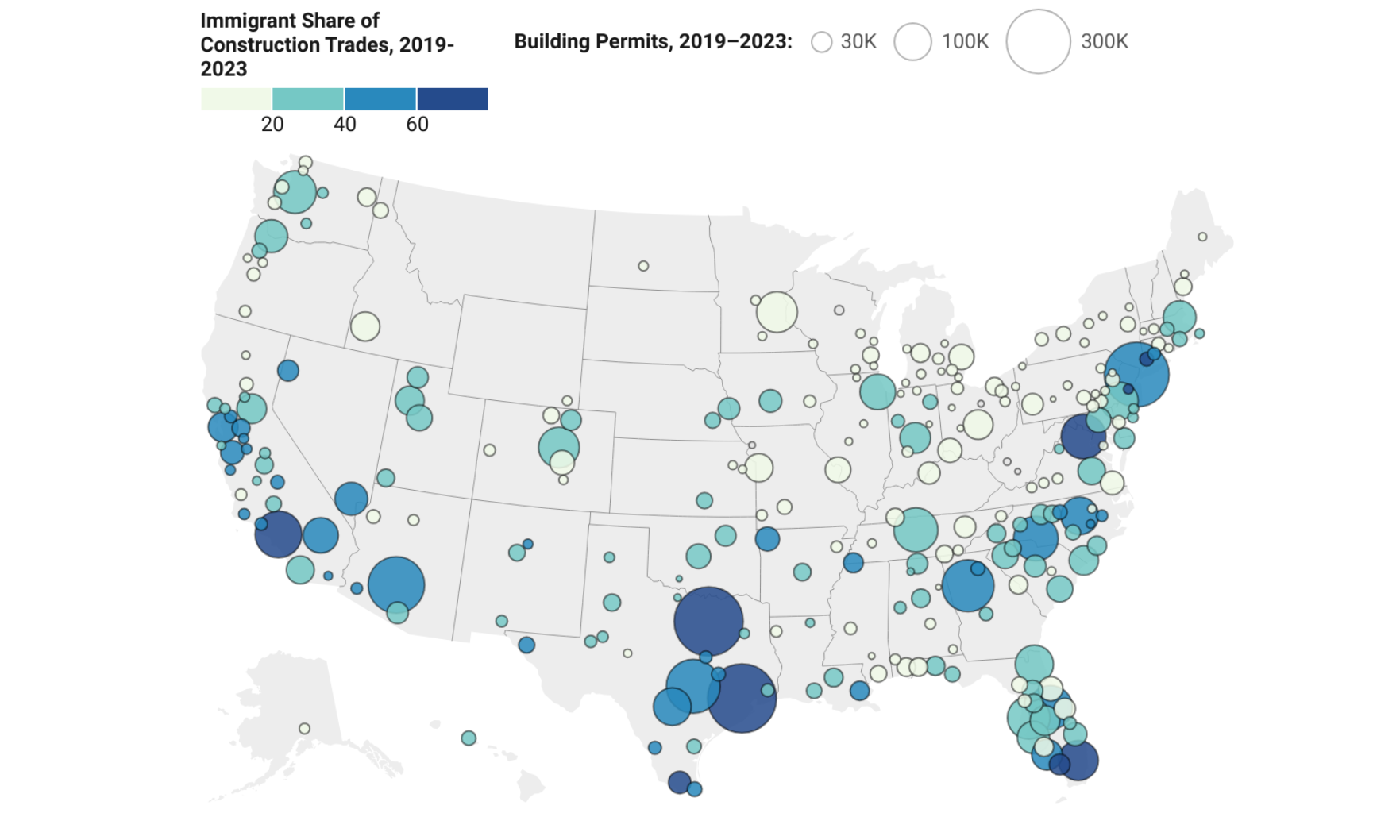
Research showed a disproportionately high share of foreign-born workers active in the construction trades nationally in 2024.
Sales of existing homes jumped 5.1% month over month, topping analyst expectations.

The firm expects price growth to pick up again with the start of spring selling season.
Contract signings were up in all four U.S. regions.

The number of homes for sale in Chicagoland fell 9.7% from 14,513 homes in November 2024 to 13,111 properties last month.

At the same time, single-family home prices remained flat, which could result in increased affordability in 2026.

Evidence points to home shoppers prioritizing the experiences they’ll have in their home over the style or size, Zillow said.