
Trends
For data-driven stories, to appear under “Trends” menu
The increase was driven by refinancing activity as purchase applications dipped.
The 3.8% month-over-month gain was almost four times what industry observers were expecting.
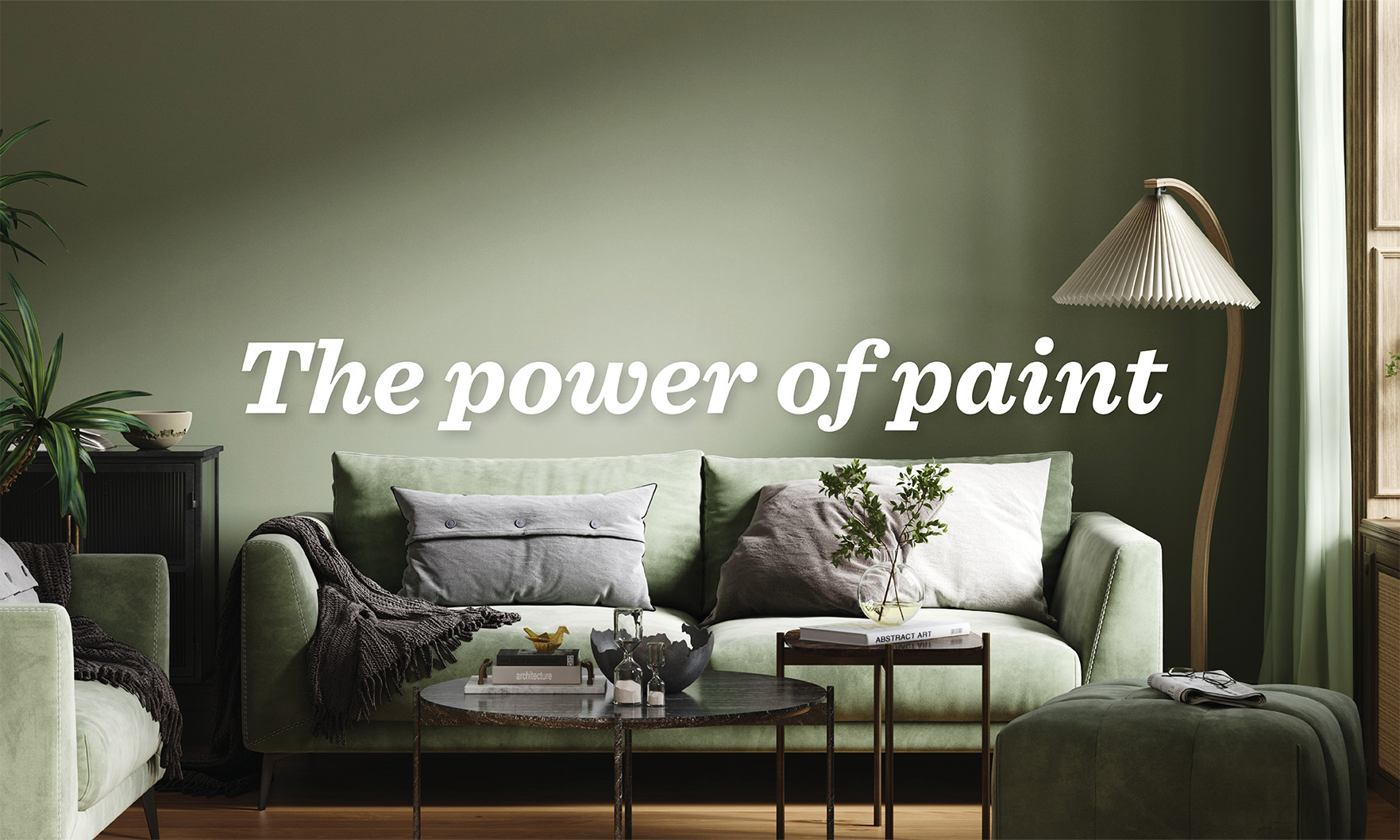
Paint color has the power to enhance value — or tank it.
Inventory rose 3.3% month over month and 0.6% year over year to 1.55 million homes, which equals a 4.5-month supply of unsold inventory, NAR said.
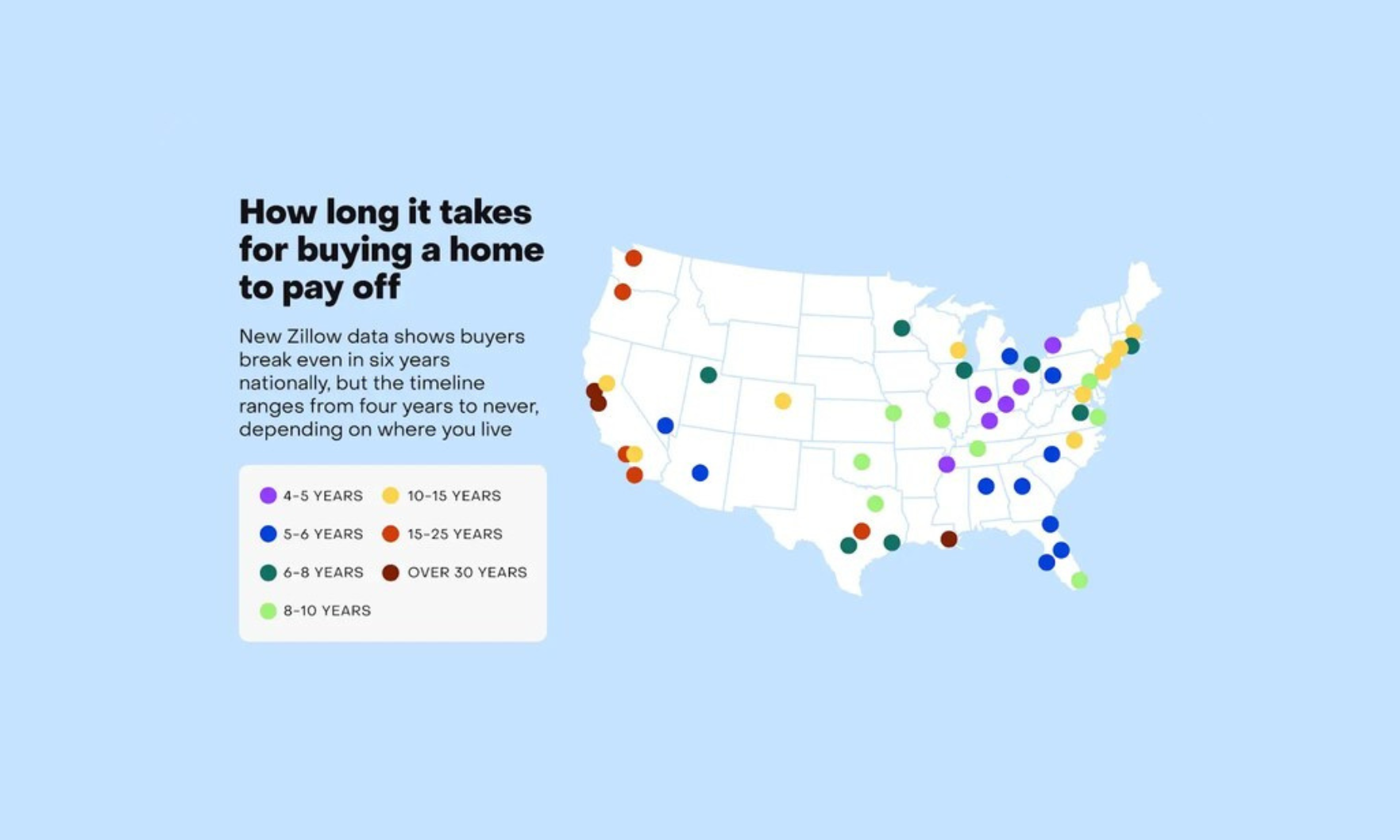
Nationwide, it takes six years to break even on homeownership, down from an all-time high of 8.4 years in 2023.
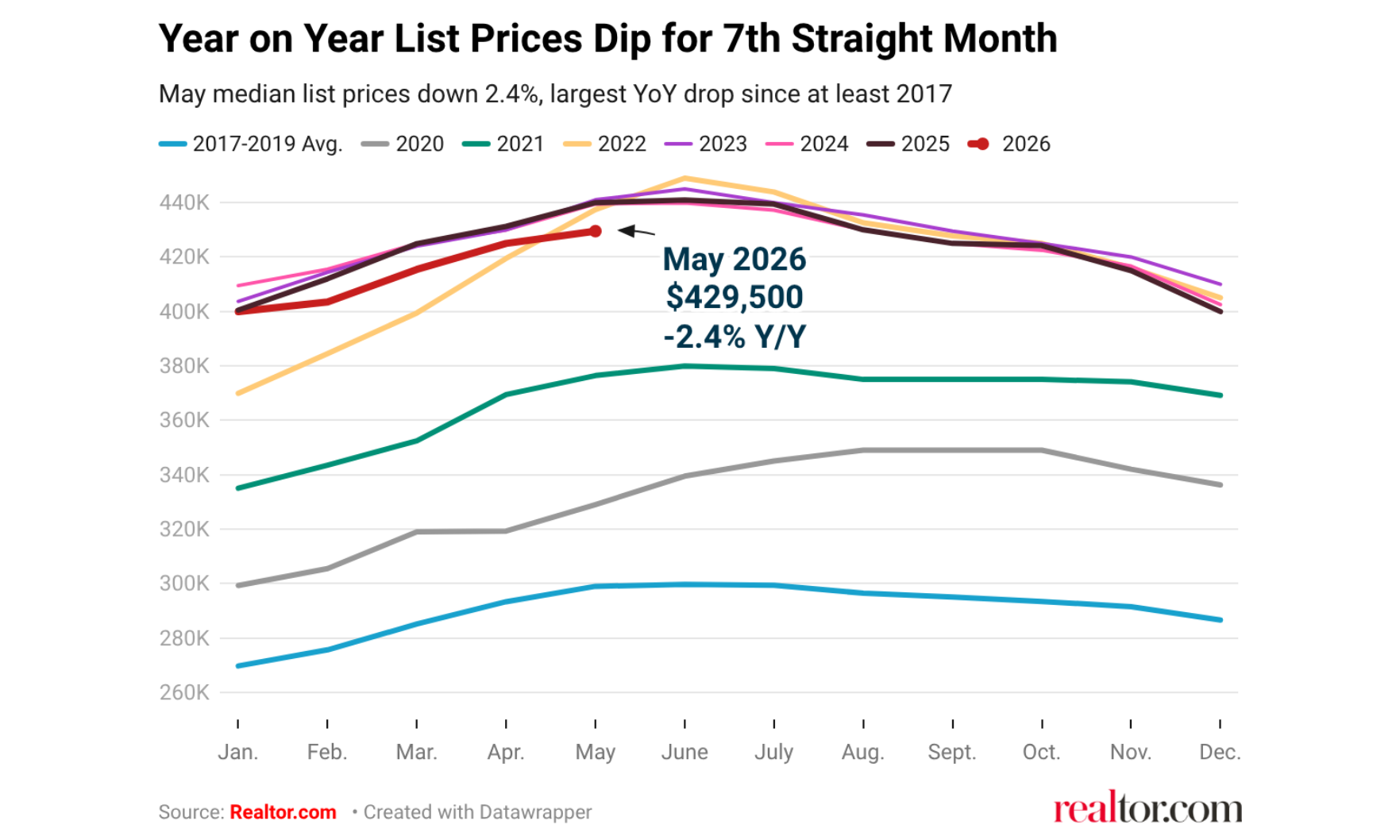
Amid what Realtor.com called the most active spring in years, the housing market is finding a new equilibrium.
Looking ahead, Cotality expects home prices to rise 5.3% between April 2026 and April 2027.

The median sales price of new homes sold in April rose 8% to $422,500 from $391,100 in March, the U.S. Census Bureau and the Department of Housing and Urban Development reported.
Home prices continued to rise across the country in March, but the rate of increase slowed yet again, according to the latest S&P Cotality Case-Shiller Home Price Index.
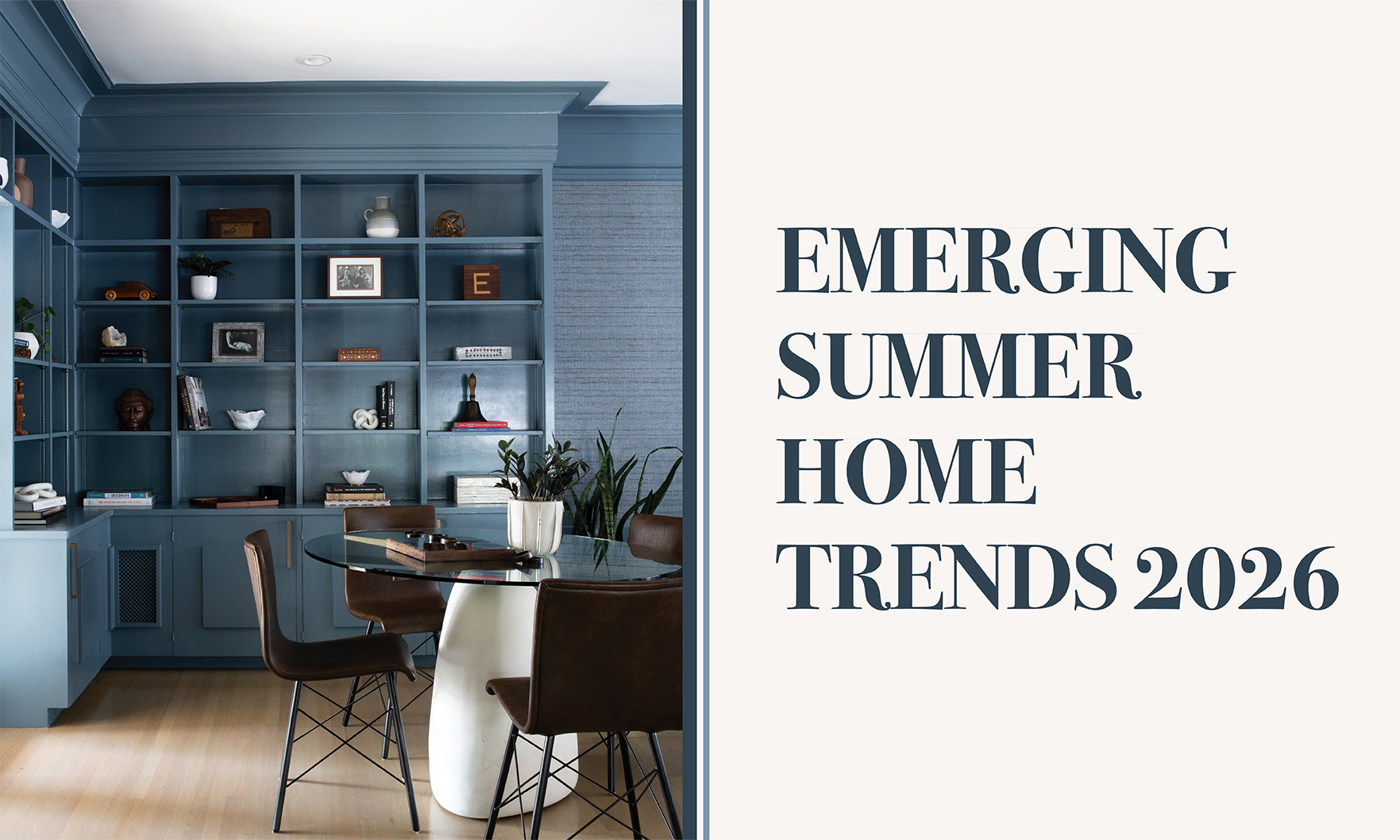
Houzz compared first quarter user activity to year-ago levels to determine the emerging home trends for summer 2026. Here’s what they found.
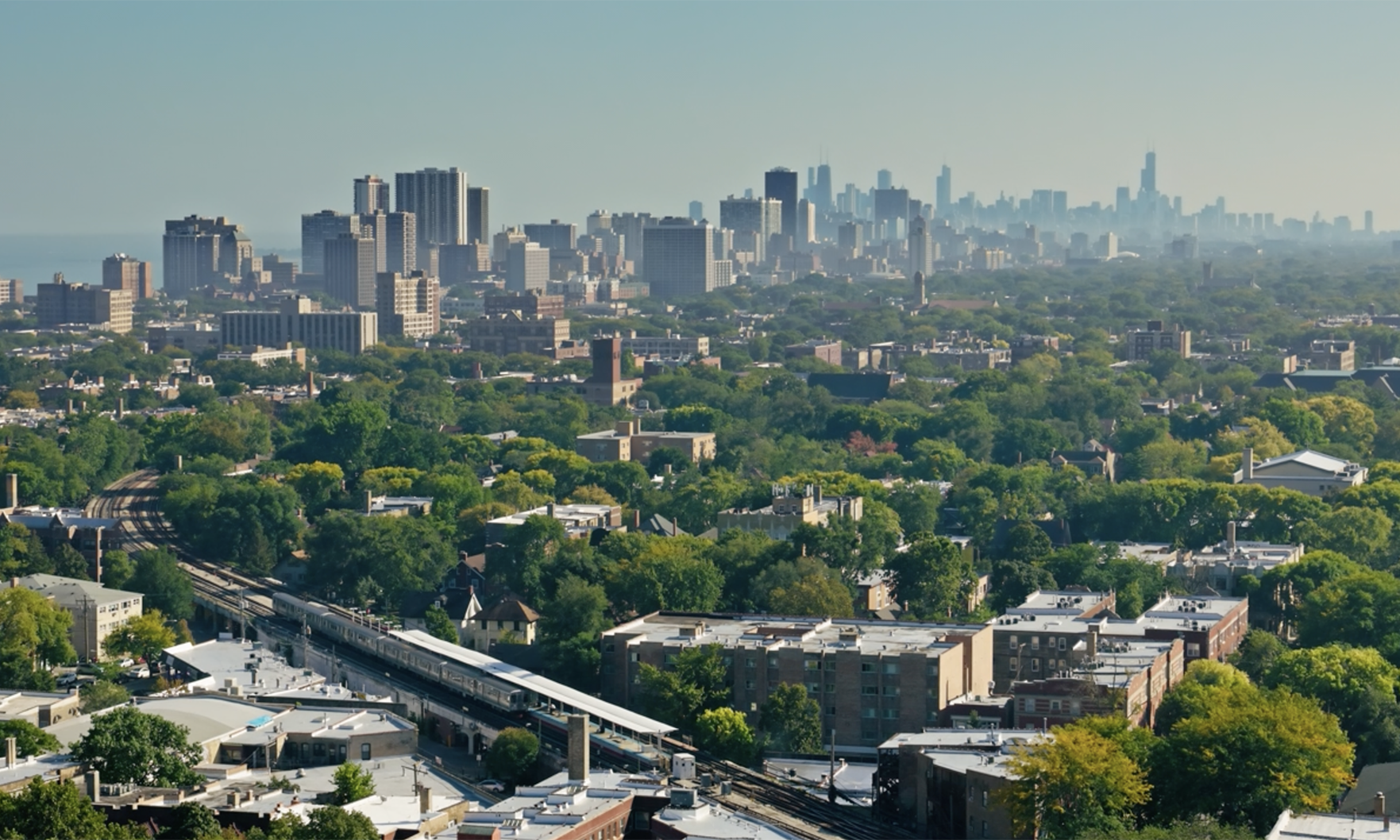
The pace of closed sales is only expected to increase through the summer, Illinois REALTORS® said.
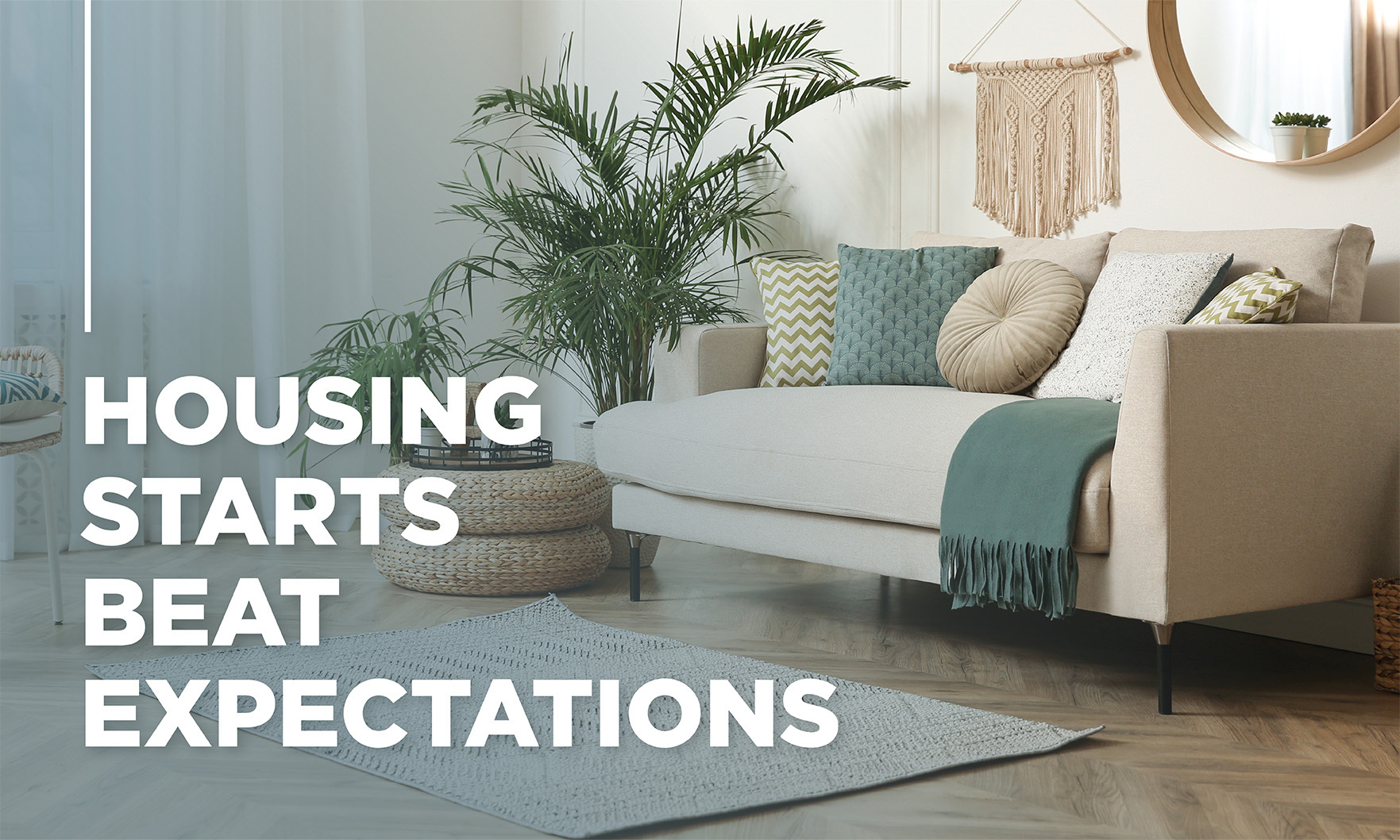
Despite a monthly decline, the rate of new-home construction still came in above consensus estimates.
Among the top 50 metro areas, Boston and Miami led the pack.
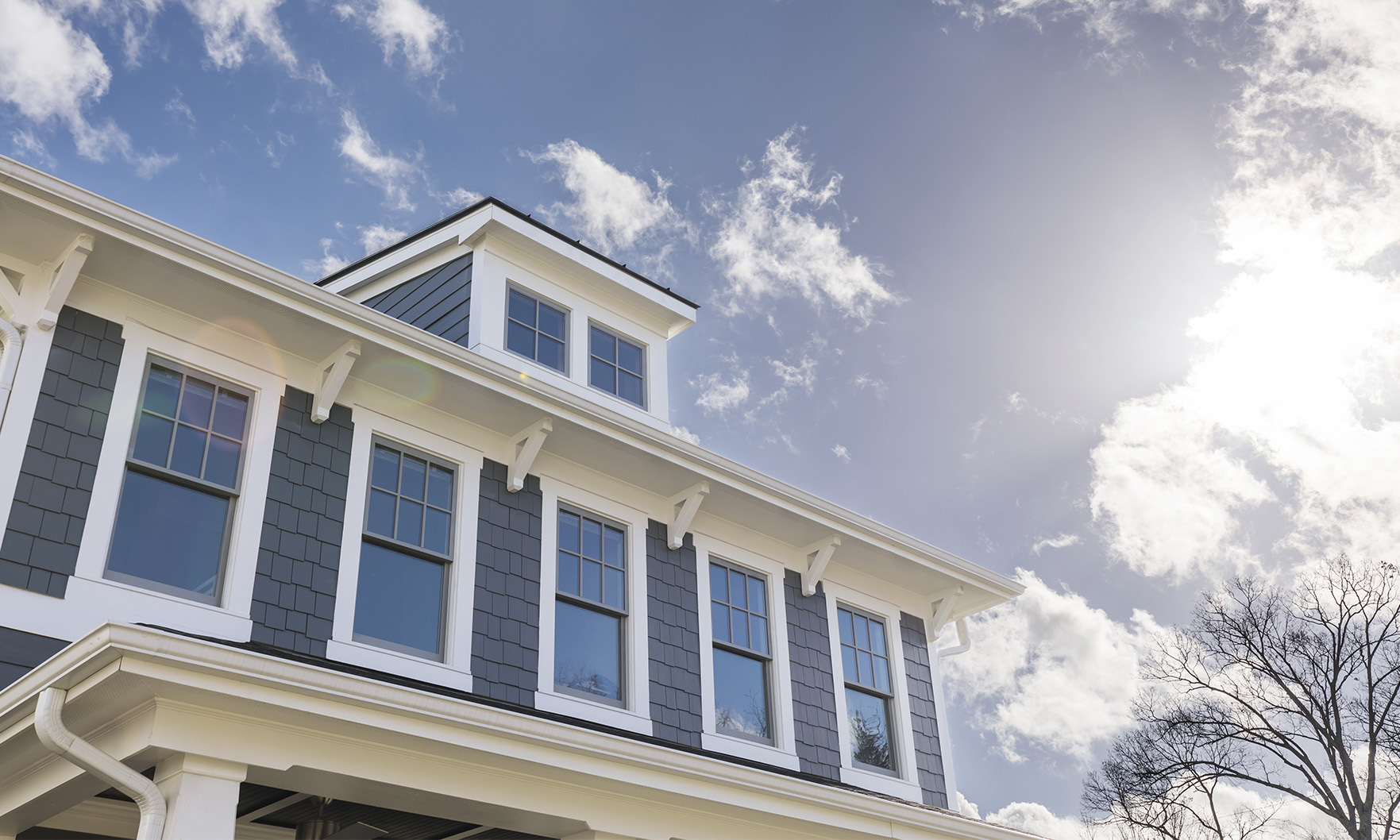
Americans are prioritizing sunlight in their home search, with 44% saying they would choose a smaller home with more sunlight over a larger home with less sunlight, according to a Redfin report.
The median-existing sales price for all housing types rose 0.9% year over year to $417,700, its 34th consecutive increase.
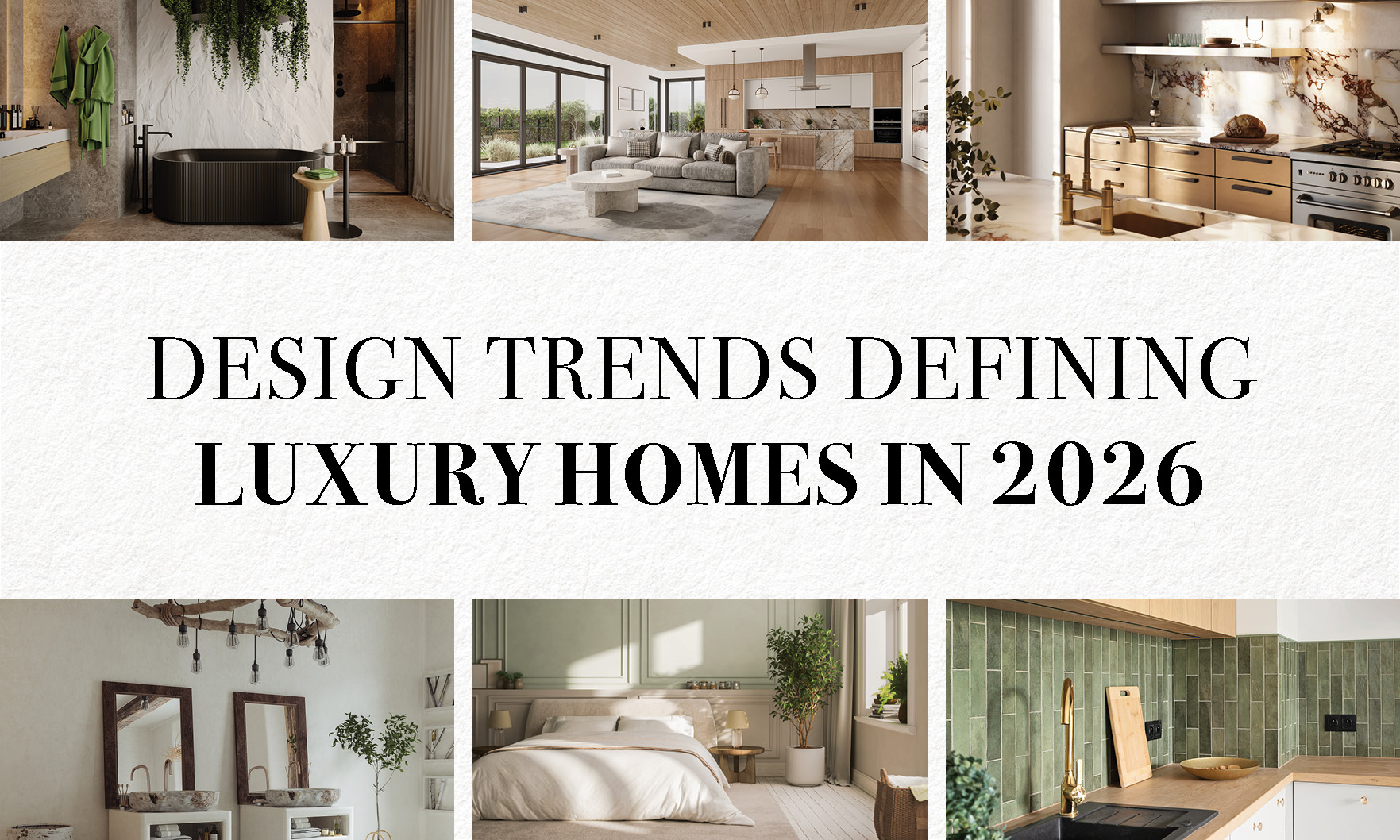
Luxury spaces that focus on well-being, comfort and personal meaning are shaping everything in the home, from material selection and layout to color, light and more.