
Current Market Data
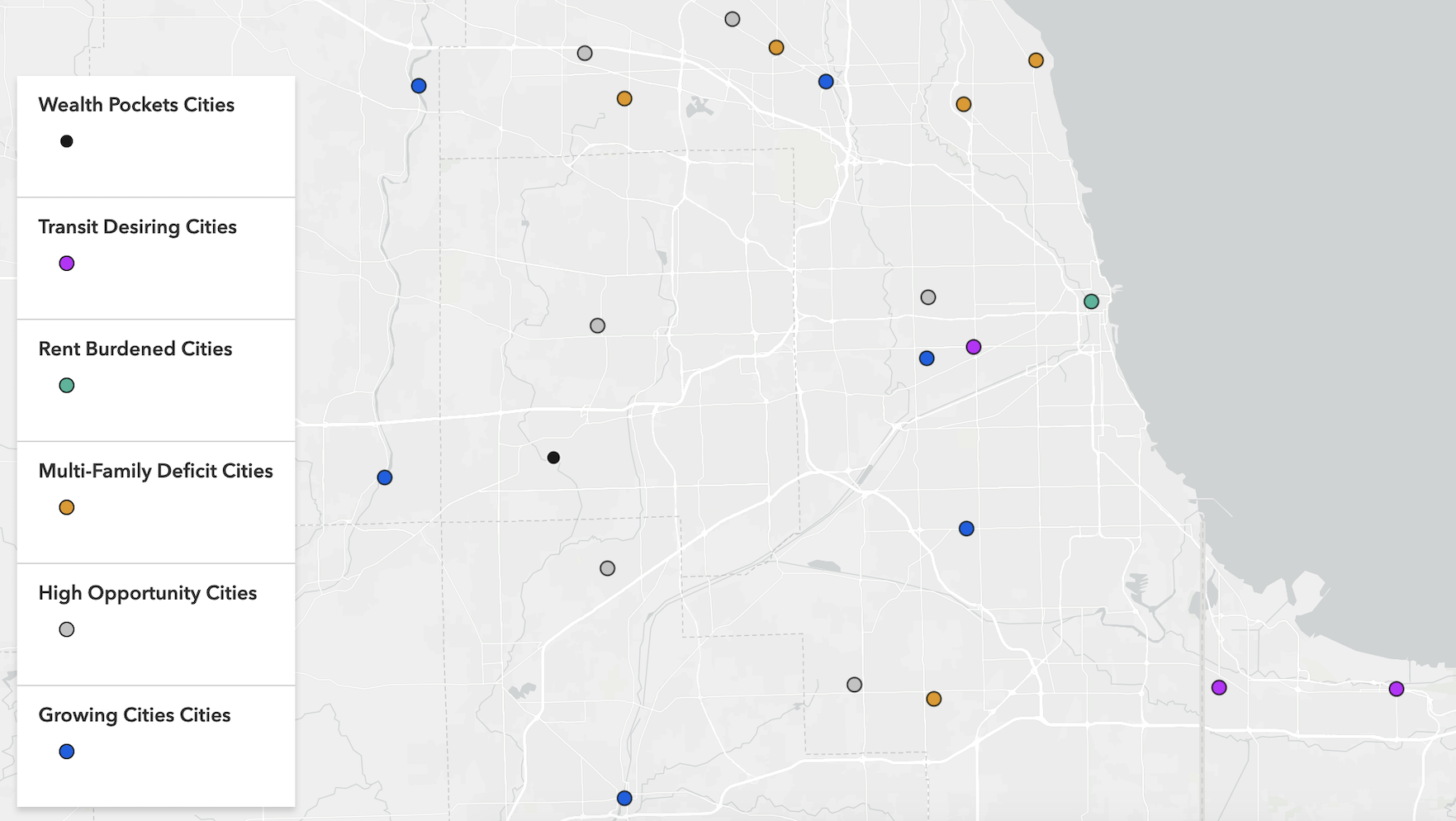
Learn why the National League of Cities put Chicago in this category, rather than a “high-opportunity” or “wealth-pocket city,” and what researchers think can be done to turn things around.

Over three-fourths of survey respondents reported that being a homeowner has “made them a better person,” with about the same proportion saying that they’ve taken up new hobbies since closing on a home, like gardening, grilling and interior design.

New national data on apartment construction shows activity slowing down in a lot of markets, including Chicago. But there are several bright spots that are showing exceptional building activity.
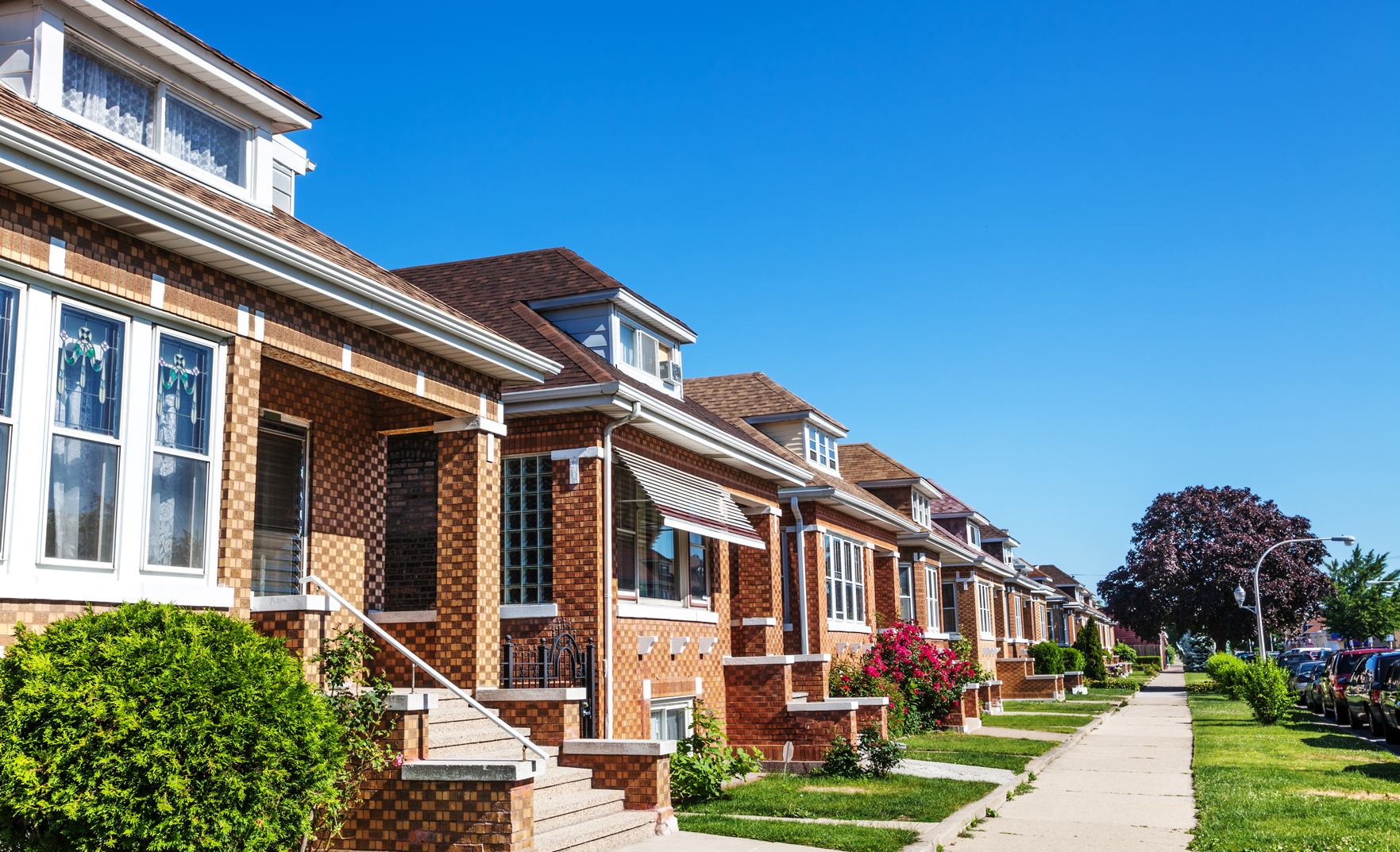
The CoreLogic Home Price Index for July shows a 3.6 percent rise over a year earlier. Prices rose or stayed the same in 48 states, and slipped year-over-year in only two states.
While many of the top producers in our Real Data list are also household names when it comes to selling new construction, looking solely at new construction data offers a different perspective. The data below comes from Midwest Real Estate Data, LLC and was formulated using the same techniques you’ll find for our Real Data Q2 list.
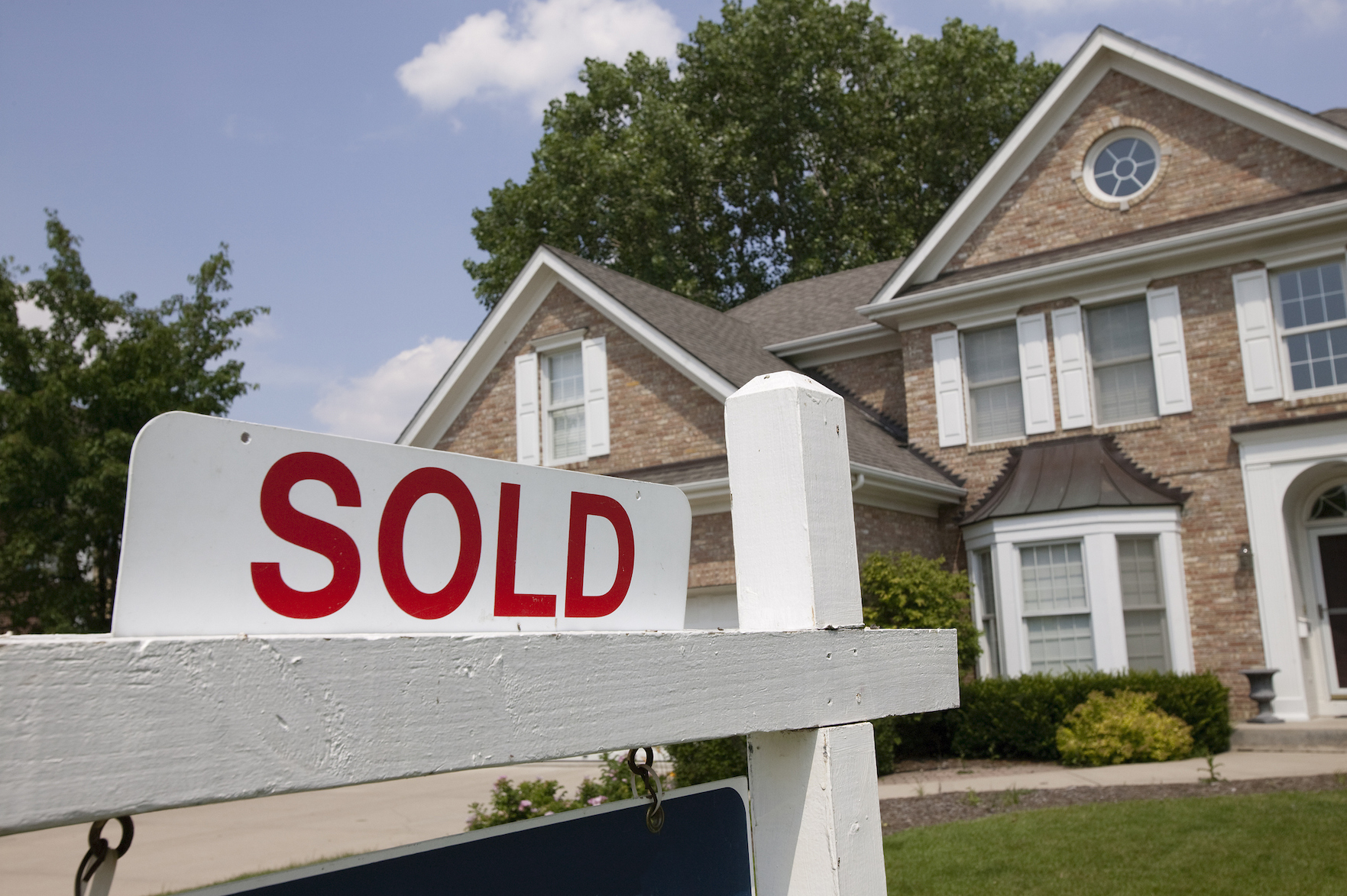
After two straight months of nationwide increases, the number of listings under contract by the end of July fell on a monthly basis.
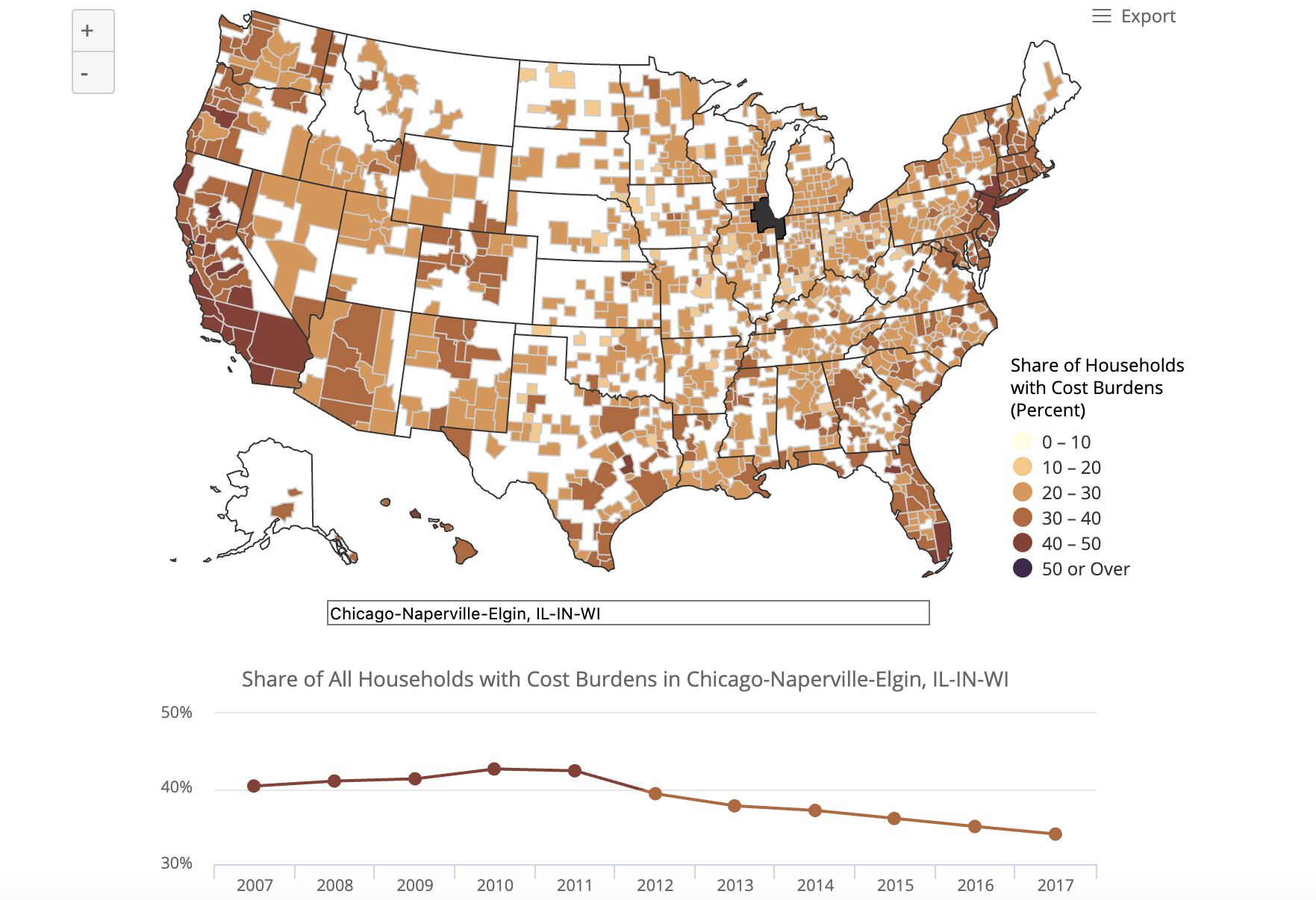
It’s no secret that monthly mortgage costs tend to be less than rent on average. But the differential is also having a dramatic effect on the other side of the spectrum: housing affordability.

The Conference Board’s Consumer Confidence Index for August showed Americans shared broadly strong views of the overall economy and their own financial health near the end of the summer.

Economists were expecting new-home sales to finish stronger in July, aided by low mortgage rates that act as an incentive for buyers.

The homebuilder community has regularly offered a succinct answer to the reason for its industry’s sluggishness, generally calling out labor, lumber, laws and land as pain points. But some researchers are poking holes in their assertions of late.
Which areas of Chicagoland are seeing the highest increases and decreases in median sale prices?

Home sales activity is picking up this summer, thanks in part to historically low mortgage interest rates, and despite some worrisome signals on the broader economy as of late.
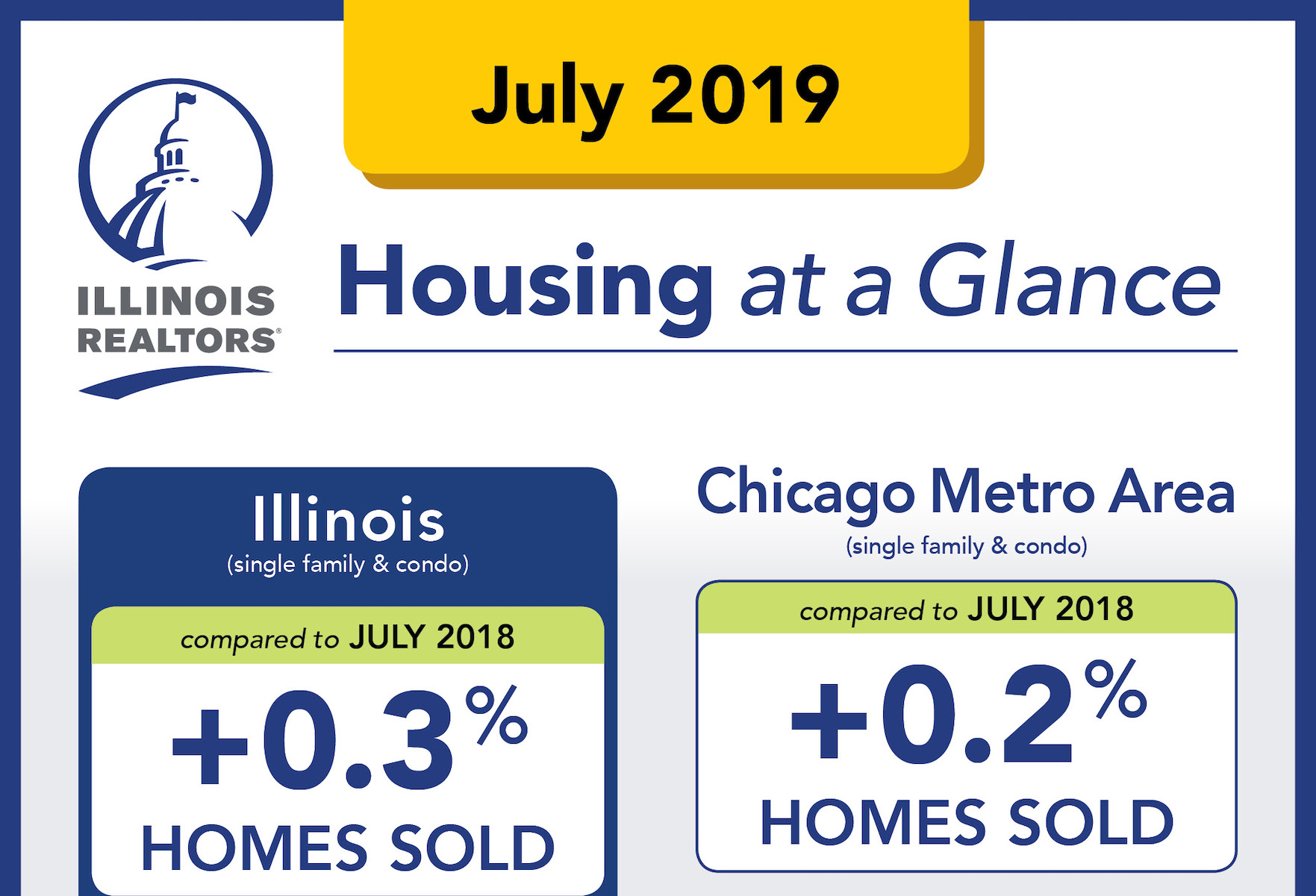
Statewide home sales were up 0.3 percent from last year and sales in Chicagoland were up 0.2 percent from July 2018. But looking solely at the city of Chicago, Illinois Realtors recorded a 5.3 percent year-over-year decrease in existing-home sales.
U.S. homebuilders appear optimistic that low mortgage rates can turn the tide in favor of stronger sales in the months ahead.

Wall Street has found itself increasingly on edge in recent weeks, but strangely, that may be breathing fresh life into the mortgage lending industry.

Fannie Mae’s Home Purchase Sentiment Index for July rose to its highest reading in nine years.