
Current Market Data

NAR’s chief economist predicts a continued increase in sales if buyers have adequate inventory.

Home sales are down, while prices and rates are up. Still, the data coming out of Chicago is a bit more encouraging than the state and regional numbers.

Reports from RE/MAX and MORe show increasing home sales and prices in Chicagoland, though no local data points are maintaining the same pace as national numbers.

The latest analysis from CoreLogic shows that Chicago renters are paying an average of 2.2 percent more in rent this year over last.
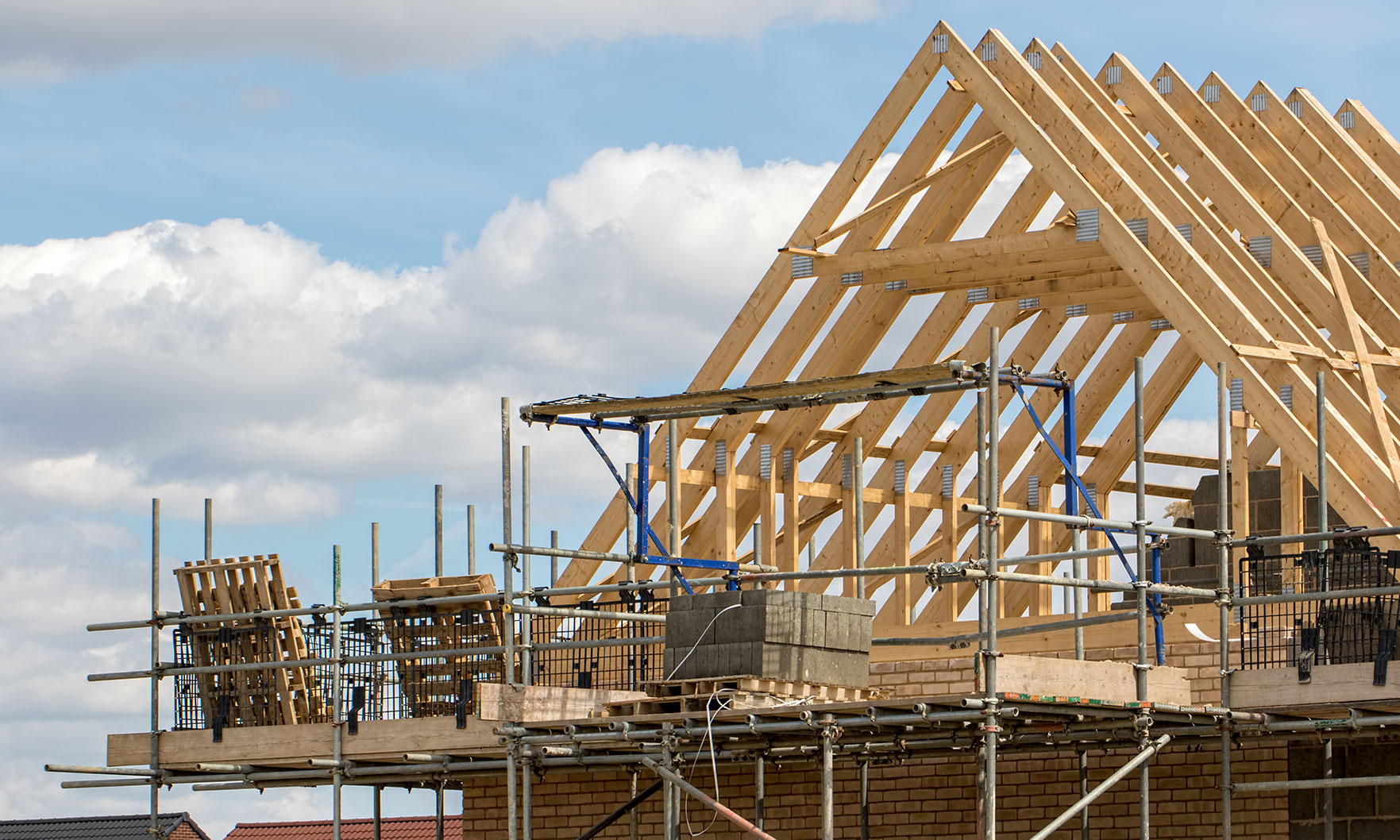
Two percent jump in housing starts nationwide could mean lower chance of recession
Minority homeownership, which plummeted during the Great Recession, is climbing back up.

Housing starts make progress in September, showing signs of more inventory on the way.

Still, more than two-thirds of homebuyers believe housing availability getting scarcer.

The National Association of Realtors’ 2019 Profile of Home Buyers and Sellers reveals that FSBOs are on the decline and that buyers are in need of help when it comes to making home purchases.
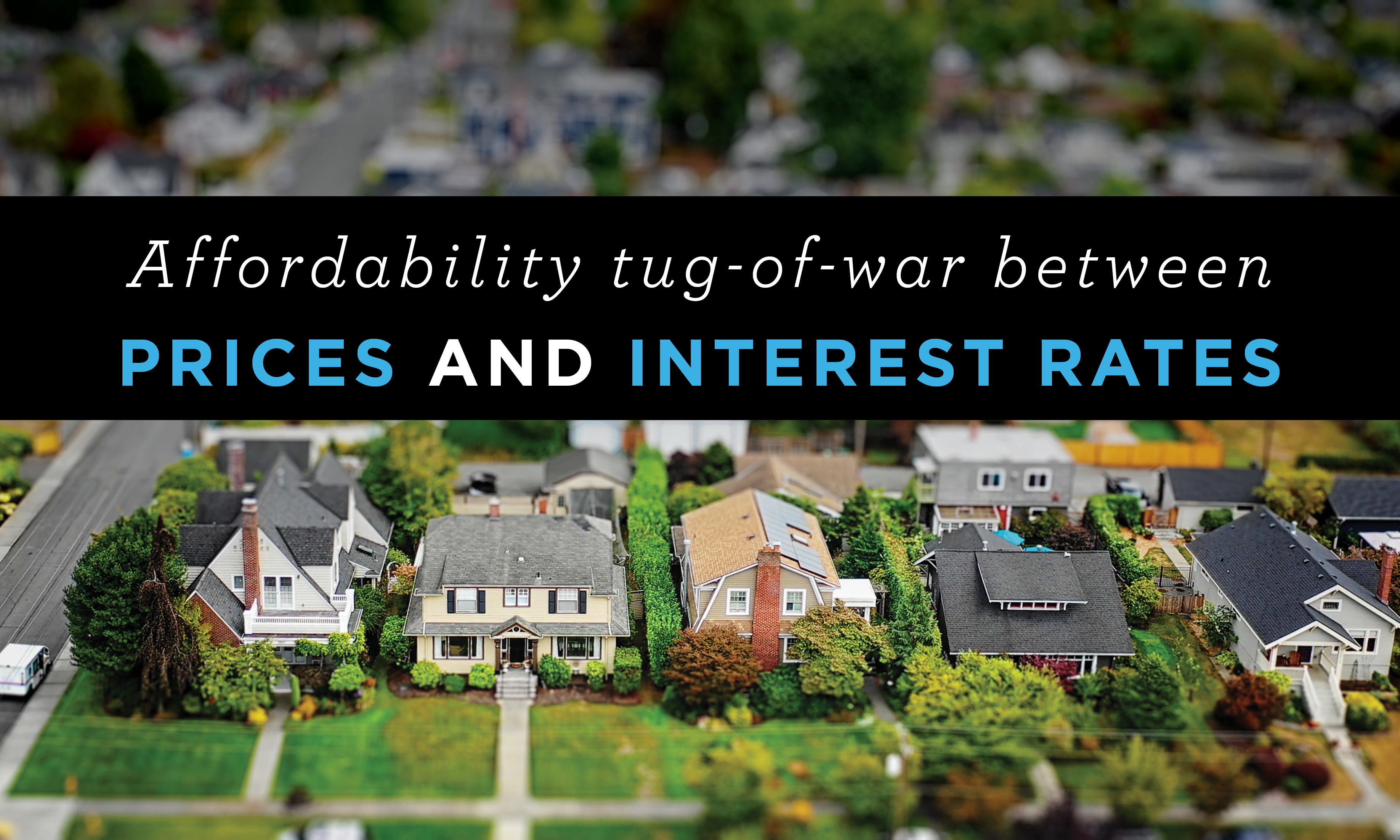
For now, low borrowing costs are keeping pace with rising prices. But how long can this last?
Census data shows that while many people in the Chicago area are rent-burdened, the percentage owners pay for housing is actually decreasing.
All 50 states saw a boost in prices last month. CoreLogic reports half of millennial homebuyers used retirement savings to help them purchase their first home.

After the October jobs report showed unexpected labor market strength, experts believe the Fed will be unlikely to plan further rate cuts.

Lower interest rates are not only keeping the market steady, they may be prolonging a housing expansion at a time of year when the market naturally begins to slow down.
NAR economist urges developers to consider converting vacant office space, shopping malls to condos to relieve housing shortage.
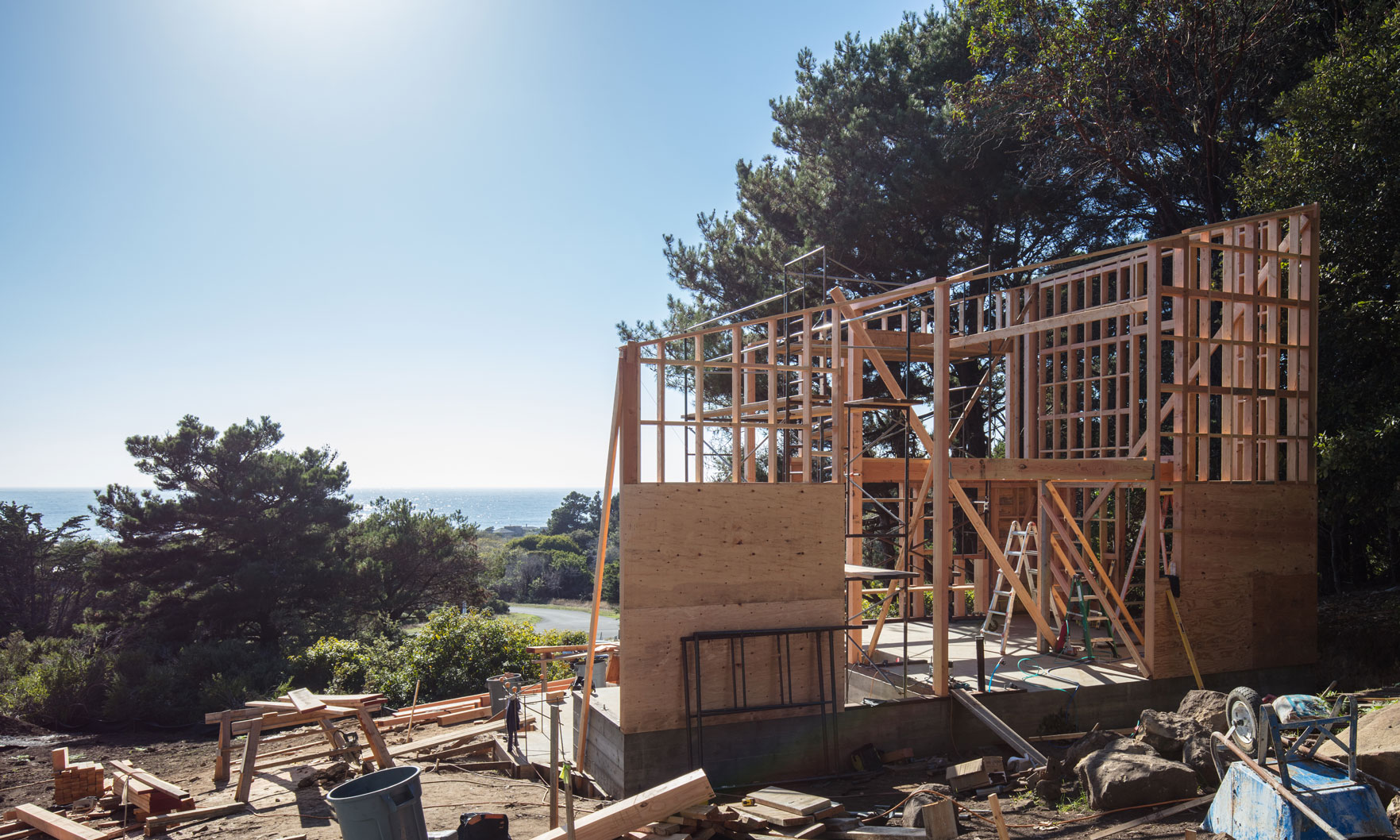
Lack of inventory is stalling growth. Learn why some are saying they don’t expect housing starts to reach pre-recession levels until 2022.