
Current Market Data
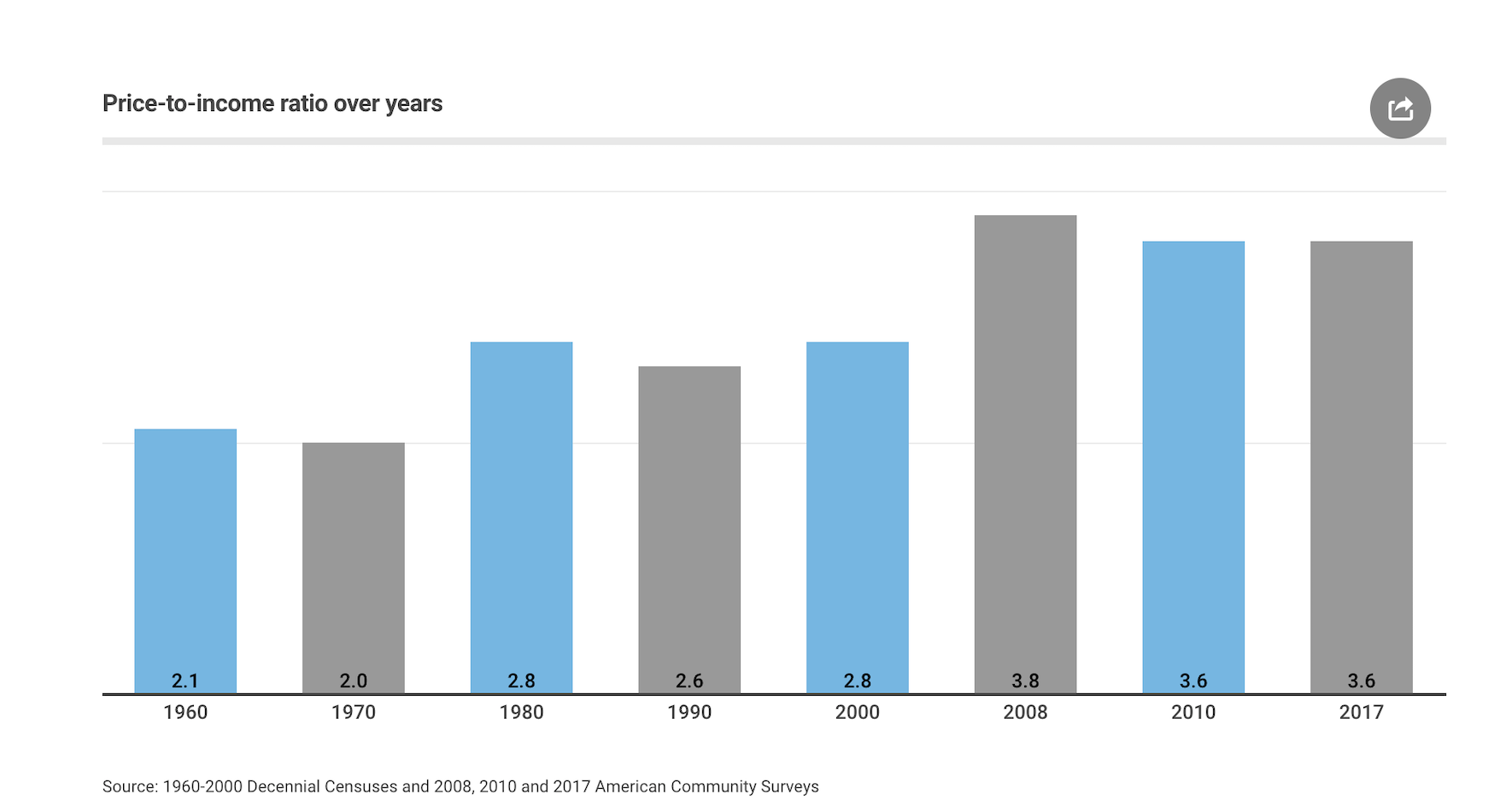
A new study finds that, since 1960, median home prices have climbed by 121 percent, and household incomes rose less than one fourth as fast. But digging into the data in Chicagoland, a more nuanced picture emerges.

Money woes have become a bigger obstacle for those looking to break into homeownership than they were two years ago. Also, somewhat surprising data about the proportion of first-time buyers shopping for homes in rural areas.

Find out the latest numbers for mortgage application activity, interest rates and what to look for in the near future, as markets expect the Fed to lower interest rates later this month.

Just when many housing markets were seeing some relief in their scant inventory of for-sale housing, there are now fresh signs afoot that supply levels may return to a trend of tightening.

New data from Quicken Loans shows homeowners are becoming more realistic about the values of their homes, though exactly how rational they are varies quite a bit from city to city. Find out how Chicago compares to the rest of the country.
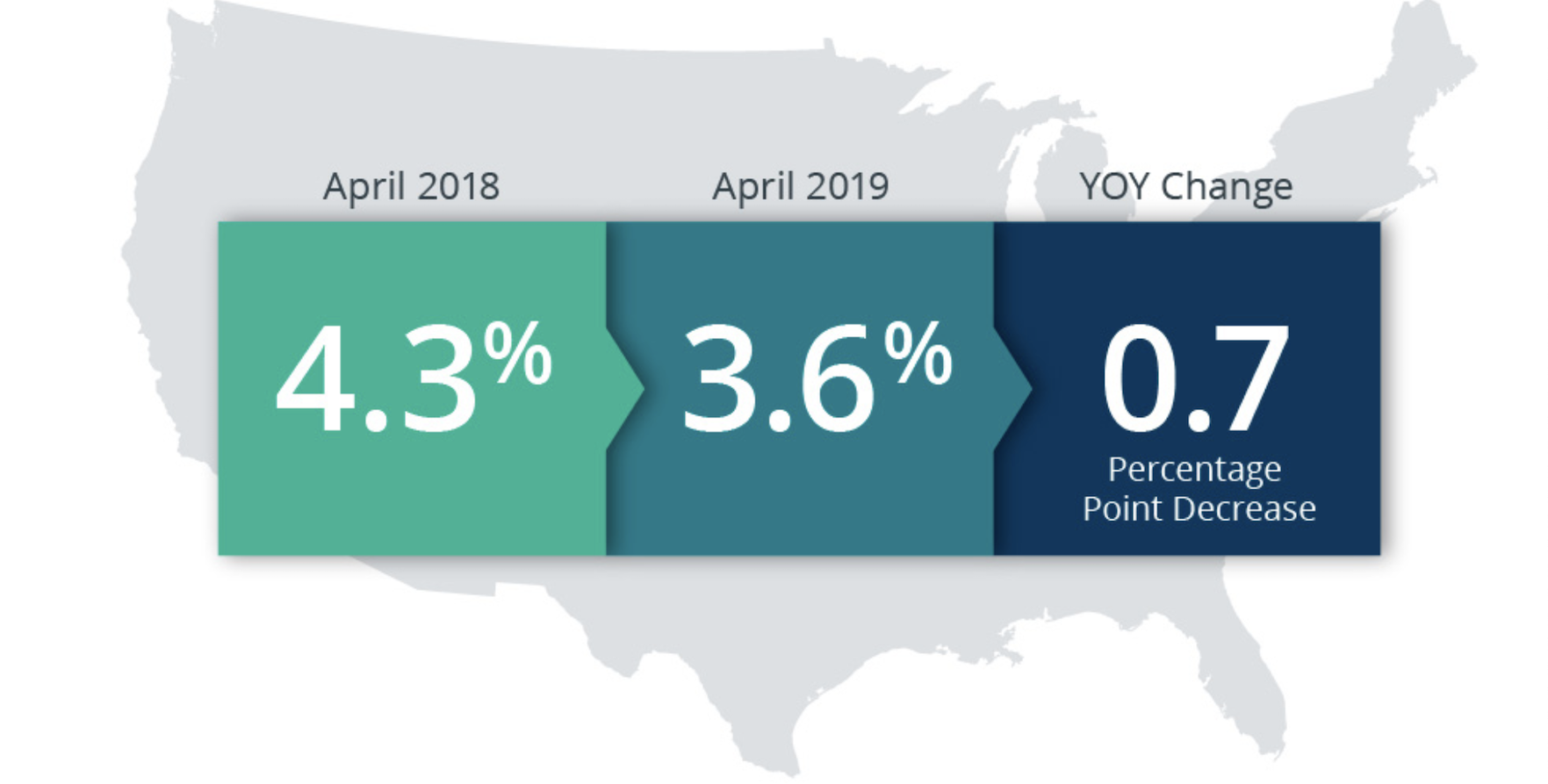
Low unemployment, rising home prices and responsible underwriting are all identified as sources for these positive numbers. Still, there’s one major factor external to the economy that can have a major impact on the rate of foreclosures in a given area.
The number of mortgage applications submitted during the week ending June 21 grew 1.3 percent, and rates on the standard 30-year fixed-rate mortgage continued their downward slide.

Less than a week after the National Association of Realtors reported stronger than expected existing-home sales for the month of May, there’s more good news for the U.S. housing market. NAR’s Pending Home Sales Index for May came in

In March, the luxury home market saw the largest drop in sales since 2010 with an 8.3 percent year-over-year decrease in closings, according to data gathered by Realtor.com. There were just 8,343 sales in excess of $1 million across

The number of applications filed for a new home loan fell from the previous week, though average interest rates offered to mortgage applications in the last week were up only slightly.

The latest numbers demonstrate that consumers may have responded to the combination of continuing low interest rates and newly increased inventory sooner than some watchers of the market had expected.

An increasing number of Americans believe the situation is improving for both homebuyers and sellers, according to the latest survey from NAR.

Single-family housing starts fell in the Northeast, Midwest and West, but rose in the South, where majority of house building takes place. Still, there’s a reason for optimism going forward.
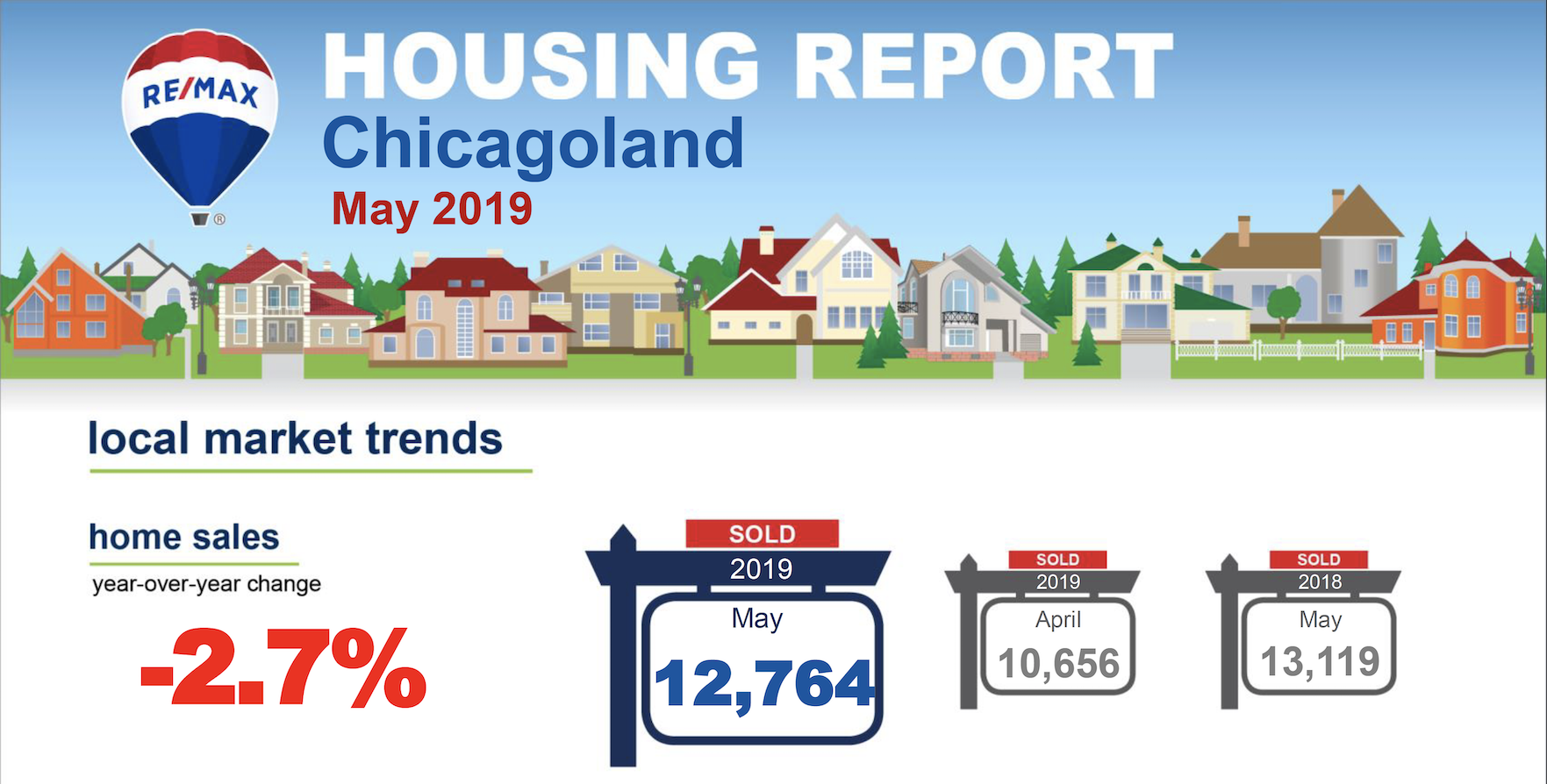
The latest RE/MAX report for the Chicago metro area shows some improvement over last month, but year-over-year numbers still fall short of national totals.
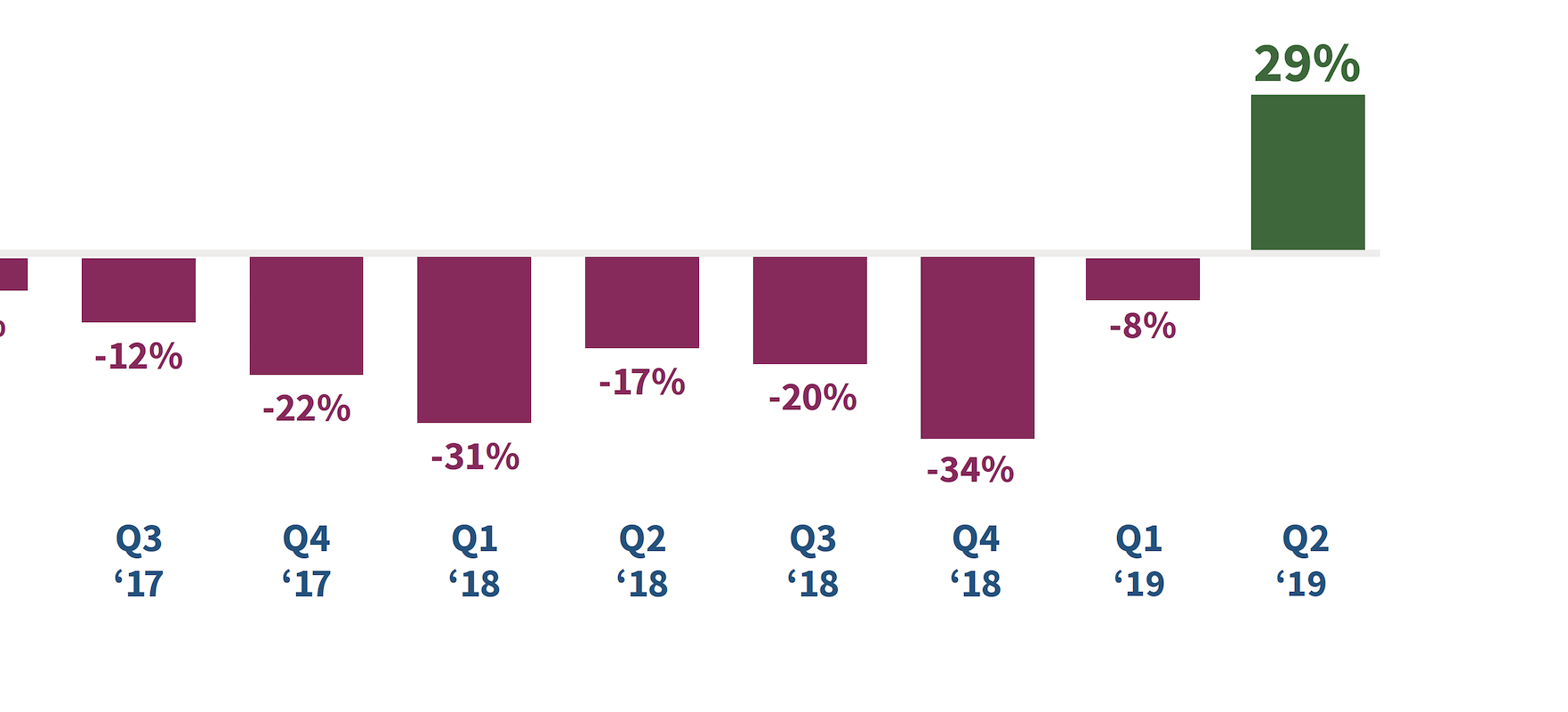
This is the first quarter since Q3 2016 that more respondents saw a positive rather than negative outlook for profitability, and is the second-highest margin of optimism recorded in the survey’s six-year history.
What you need to know about who’s applying for mortgages, what rates are looking like now and one important meeting coming up next week that you’ll want to be aware of.