
Current Market Data

This time of year, there are so many organizations, economists and experts offering their thoughts on what’s to come in the next year that it’s hard to keep up. Here’s a quick look at what we’ve gleaned so far.

Just because something is repeated over and over again doesn’t make it true. Here’s are a few ideas that Chicagoland real estate experts wish they could finally put to rest in 2020.

The Urban Land Institute’s Emerging Trends in Real Estate report offers a forecast of what municipalities have going for them, and where possible threats lurk in the near future. See what they have to say about Chicagoland.
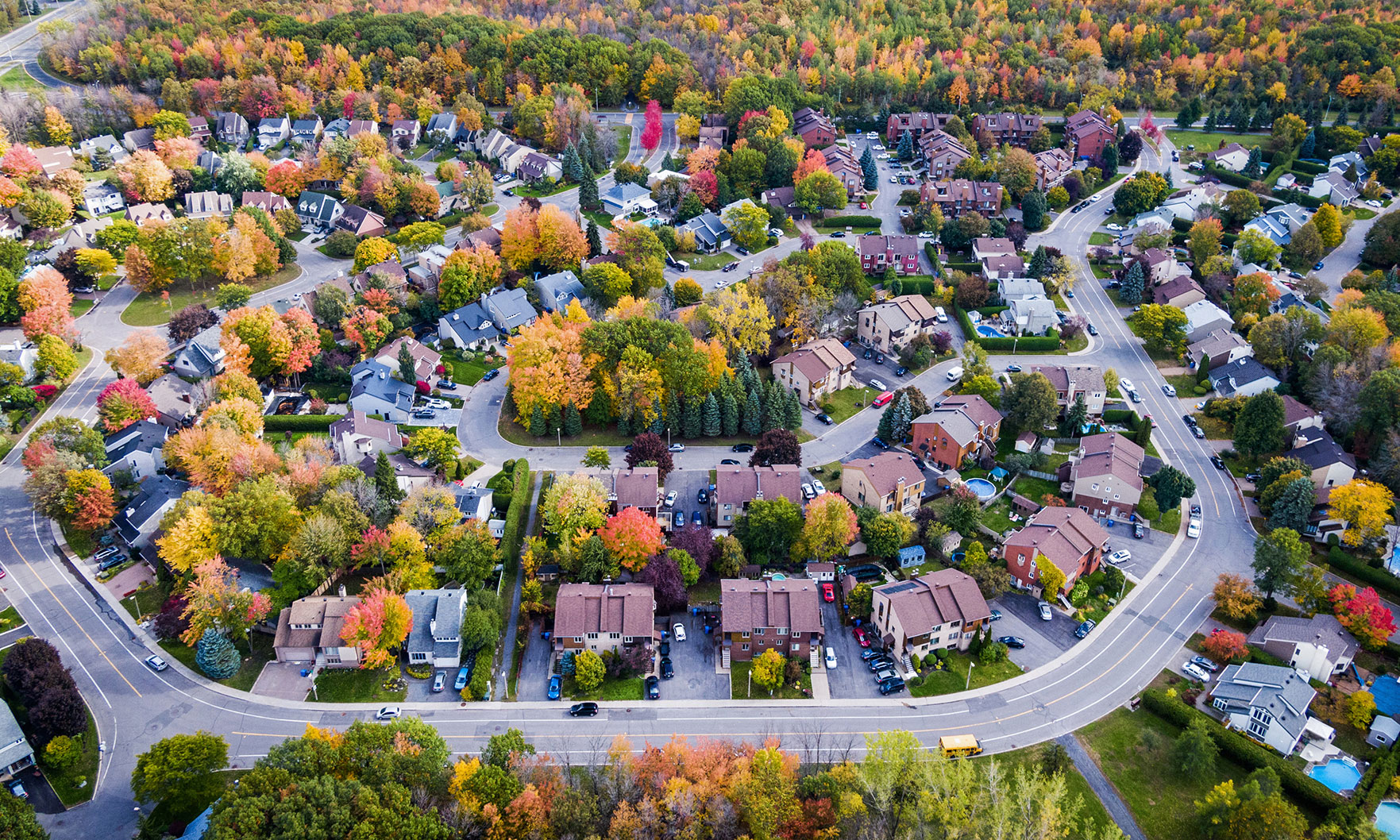
The latest numbers from Realtor associations at the local, state and national level reveal a “choppy” picture, but one key factor is the same in pretty much every market you look at.
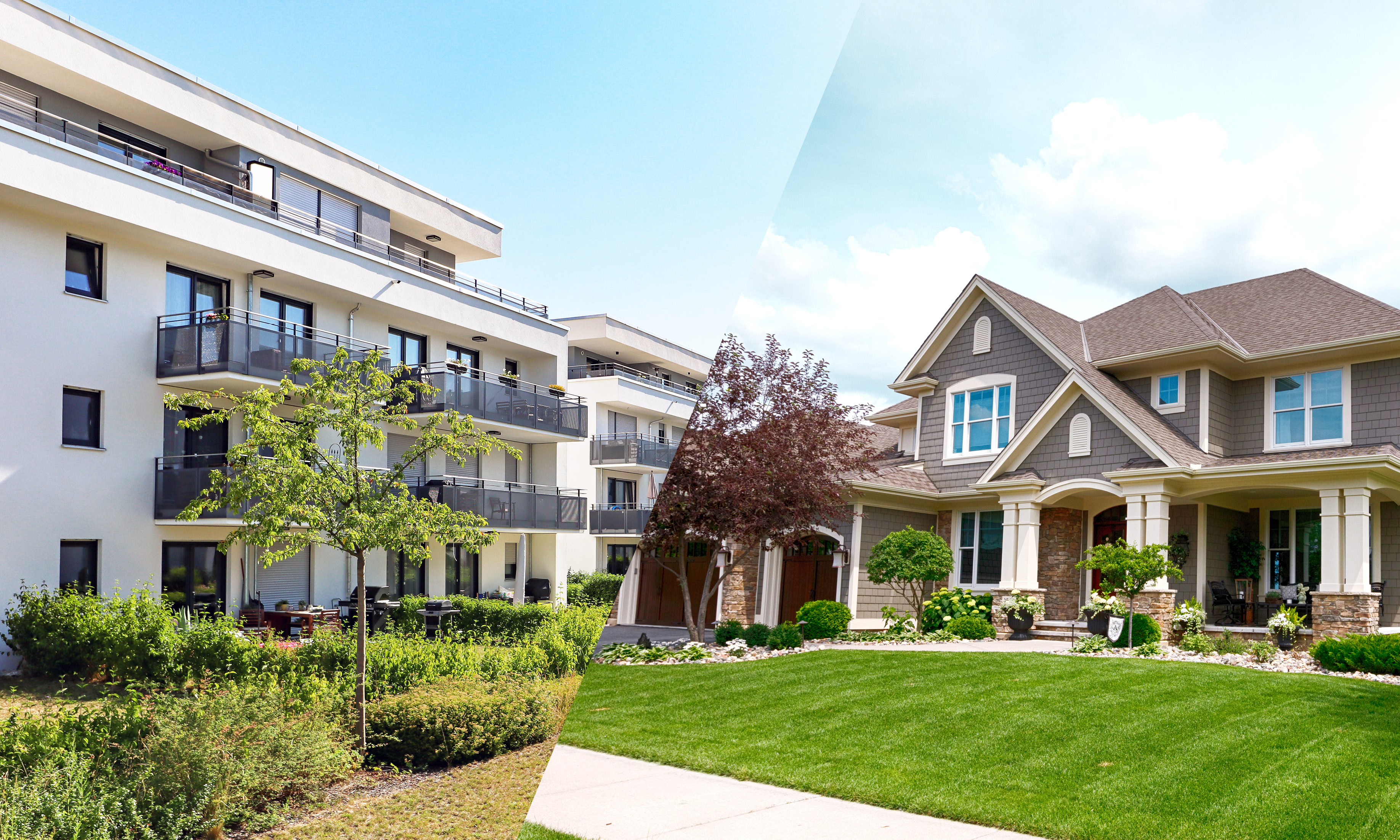
Looking at real estate data over the last decade, some clear trends emerge in terms of costs, demographics and housing stock. See how this has impacted the market in the Chicago area.
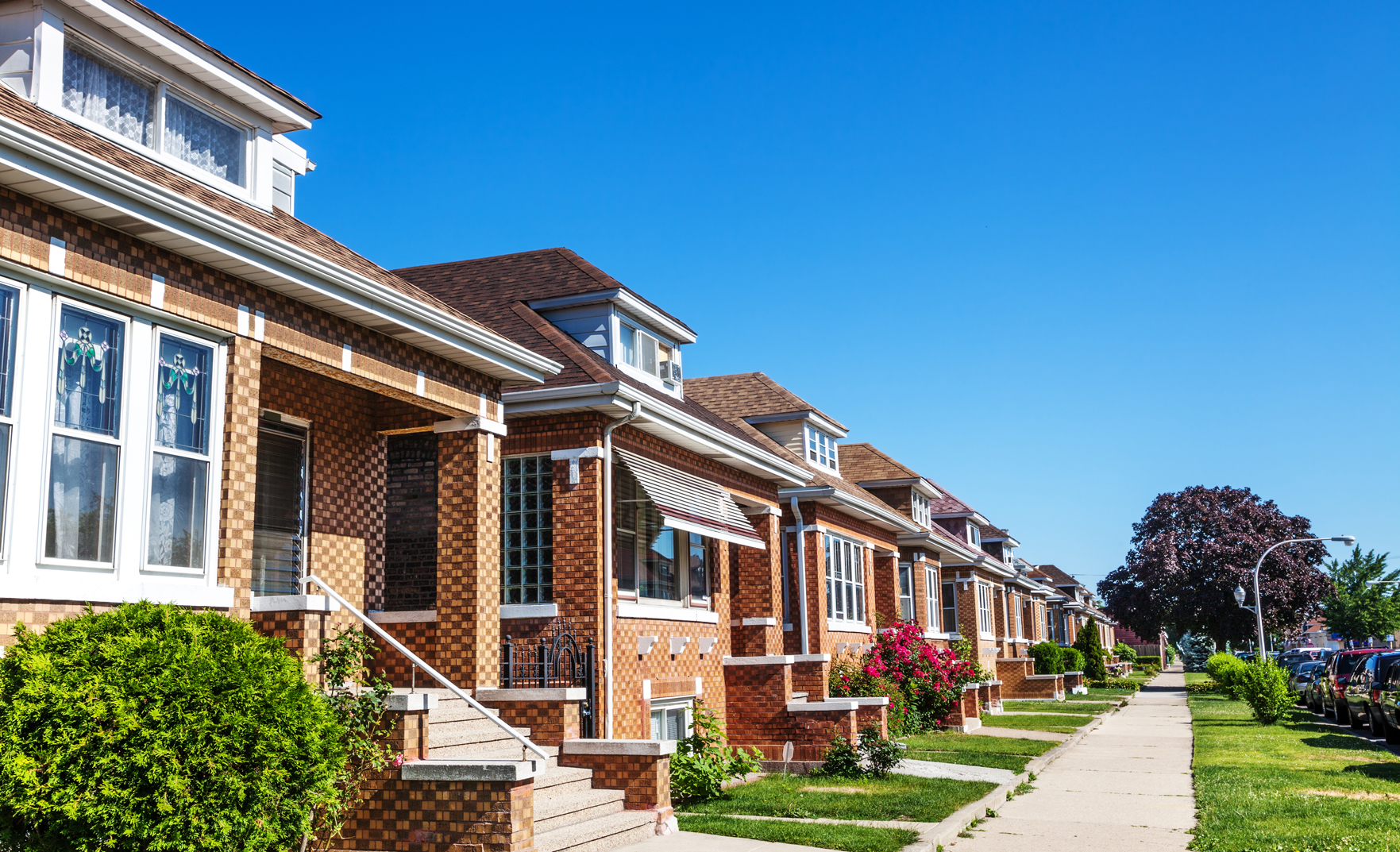
In the context of larger real estate shifts, both MORe and RE/MAX characterize local real estate as being in equilibrium.

While Chicagoland appears to be attracting residents fleeing the Golden State, migration patterns are still leaving us with fewer residents overall.

The days of a quick flip and big profit seems to be a thing of the past, according to a new report.

As many are predicting the market to favor buyers more in the coming year, listing agents can help sellers prepare by ensuring their homes are in line with the latest looks.

Two new studies point to the fact that many buyers don’t have a complete picture of what it costs to buy and own a home.

The association brought together a group of economists to provide a forecast of the market, and the consensus is that housing construction shortages will continue into next year.

In its predictions for 2020, Zillow revealed a few ways in which Gen Y might impact housing in the near future.

Learn where Chicago is doing a particularly good job in technological advancement, and how this investment can pay off in the local economy.

Though Illinois didn’t rank on a recent list of the 100 priciest ZIP codes in the U.S., one Chicagoland spot stood out for a median sales price topping $1 million. Find out which one.

It’s been decades since the unemployment rate was this low. Find out how that might affect real estate.

It seems 2020 will be a challenge for buyers – “not because of what they can afford but rather what they can find,” according to Realtor.com.