
Current Market Data
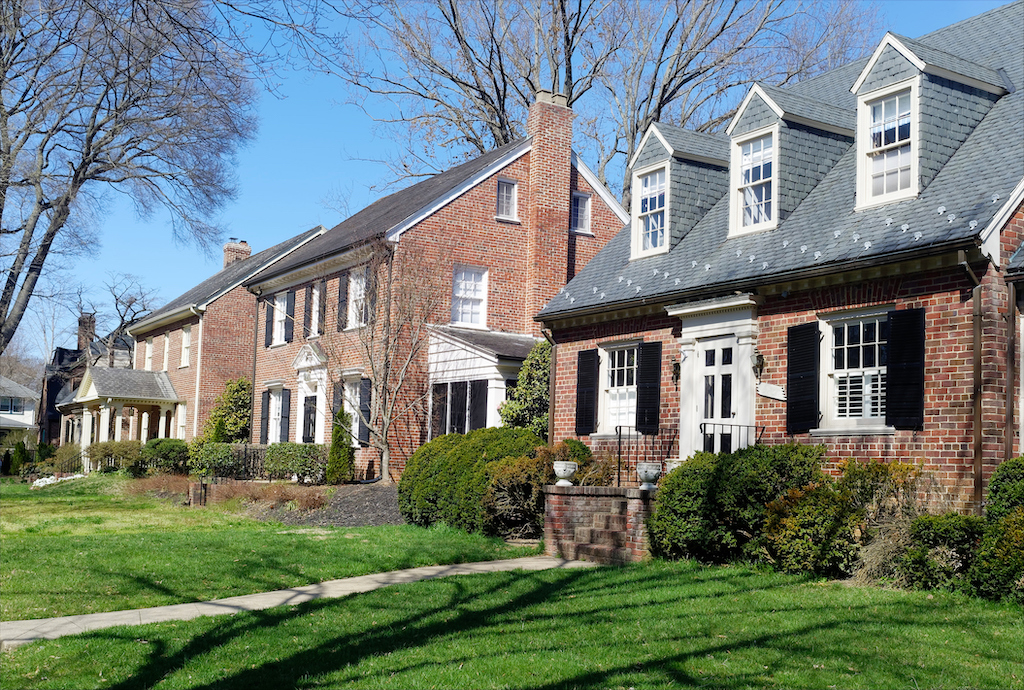
Find out what the total value of housing is in Chicago, according to a new Zillow report.

Redfin report shows competition for homes has dropped across the nation.

CAR’s 2020 Market Update featured forecasts from three economists looking at what the real estate community can expect in the near future. However, there was some disagreement in terms of what the coming year will bring.

Realtor.com releases down payment analysis, showing disparity in cost between major metro areas.

Is it a good time to buy? Good time to sell? What’s happening with the economy? The answers to these questions change in relation to how much money you earn, where you live and how old you are.

As your clients look ahead to possibly listing in spring, make sure you understand what’s causing remodeling costs to increase so rapidly and how homeowners are adjusting in response.

S&P Dow Jones Indices director calls price gains data reassuring.

As the decade comes to a close, we’re looking ahead. We reached out to a handful of insightful real estate leaders to get their thoughts on what the next ten years might look like, and what industry professionals need to do to get ready.

This time of year, there are so many organizations, economists and experts offering their thoughts on what’s to come in the next year that it’s hard to keep up. Here’s a quick look at what we’ve gleaned so far.

Just because something is repeated over and over again doesn’t make it true. Here’s are a few ideas that Chicagoland real estate experts wish they could finally put to rest in 2020.

The Urban Land Institute’s Emerging Trends in Real Estate report offers a forecast of what municipalities have going for them, and where possible threats lurk in the near future. See what they have to say about Chicagoland.
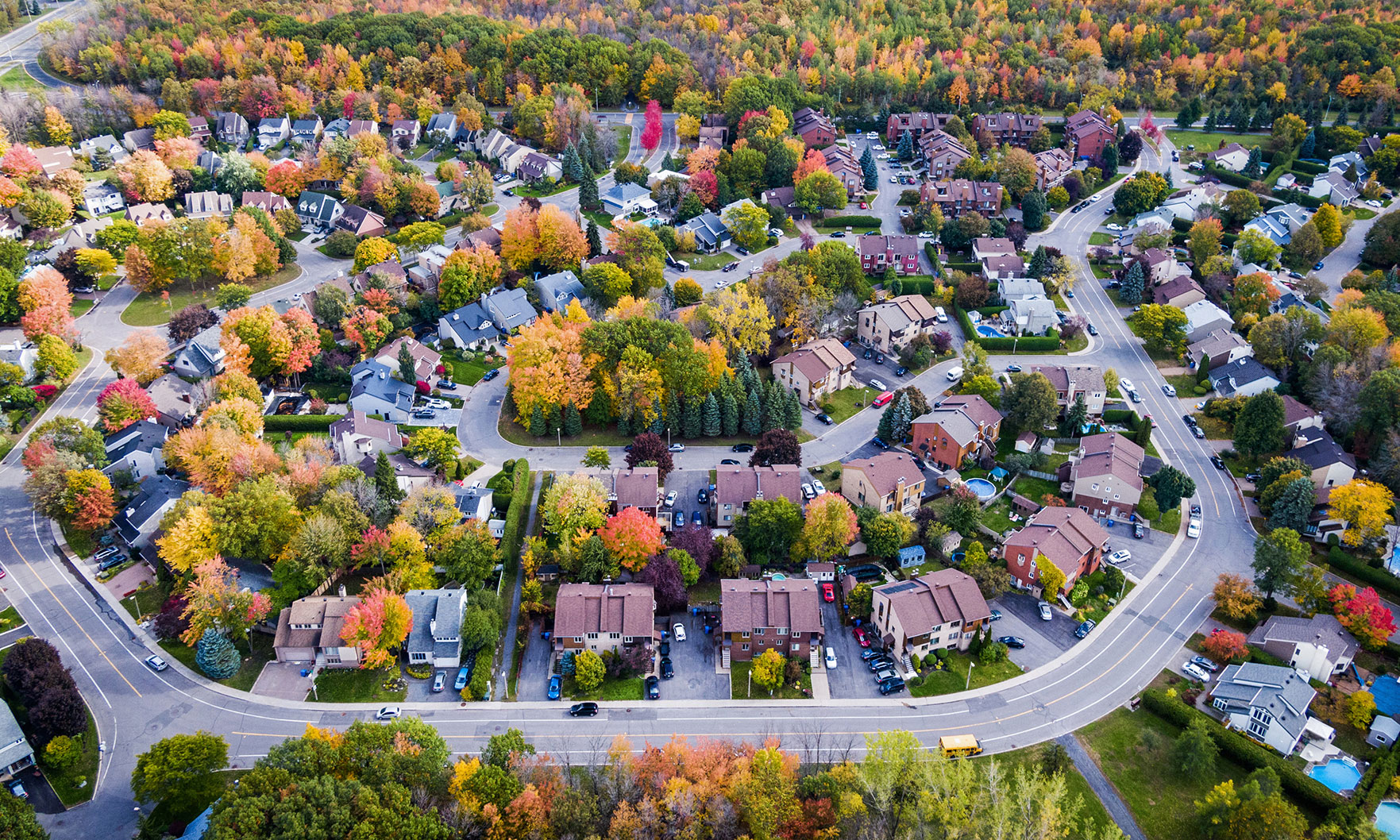
The latest numbers from Realtor associations at the local, state and national level reveal a “choppy” picture, but one key factor is the same in pretty much every market you look at.

Looking at real estate data over the last decade, some clear trends emerge in terms of costs, demographics and housing stock. See how this has impacted the market in the Chicago area.

In the context of larger real estate shifts, both MORe and RE/MAX characterize local real estate as being in equilibrium.

While Chicagoland appears to be attracting residents fleeing the Golden State, migration patterns are still leaving us with fewer residents overall.

The days of a quick flip and big profit seems to be a thing of the past, according to a new report.