
For years, the real estate industry has touted new technology platforms as the key to helping agents grow their businesses under the assumption that the latest technology alone can create successful agents. While tech is an important part of how we do business and maintain our competitive advantage, companies often overlook their biggest asset for consistent growth: people.
The reality is agents need humans who provide strategic mentorship, and they deserve leaders who take a proactive interest in their success. They need someone who will sit down face-to-face and ask, “What are your goals, and how can I help you achieve them?” They need someone who can identify habits that are holding them back and keep them accountable when business slows.
Nearly every brokerage claims to support its agents, but that support means nothing if it’s only bullet points during a recruiting presentation. One of the most common reasons why agents change brokerages is failure to deliver promised support. They leave because their manager is unavailable, coaching is nonexistent and career development conversations are postponed indefinitely.
Most agents I speak with say they perform better when they are accountable to someone. They want goals, benchmarks and regular opportunities to measure progress. They want to walk into meetings with wins to share and challenges to discuss. Recognition matters. Whether it is qualifying for a company trip, earning an award or achieving a personal milestone, agents are motivated by goals that go beyond a commission check.
The best brokerages understand accountability is not about micromanagement, but rather about creating a collaborative environment where agents feel encouraged, challenged and motivated to improve. That is why the roles of the managing broker and the office support team remain so critical, even in an increasingly digital world.
A newer agent working in Edison Park, Winnetka or Naperville may need help adapting to changing consumer expectations and lead-generation strategies. An experienced agent navigating multiple-offer situations in Lincoln Park or on the North Shore may want guidance on how to position a buyer competitively in markets where the old playbook may no longer apply. Another agent may need someone to review their business plan, identify opportunities for improvement and provide regular touchpoints and accountability for executing it.
Too often, managing brokers are pulled in multiple directions, especially when recruiting becomes the primary focus. Yet agents deserve managers who have the bandwidth to coach, mentor, provide strategic business planning and help them grow, especially when they reach a plateau and need to learn how to level up. Growth comes from a real person helping agents identify obstacles, sharpen their skills and adopt better practices, and by managing brokers who exist solely to support, mentor and strategize with their agents.
It’s also important to remember that experience does not eliminate the need for coaching, as even top-producing agents want mentorship. The strongest professionals seek out advice, challenge assumptions and pursue opportunities for growth, but also deserve human support and accessible leadership to move their business to the next level. Managers shouldn’t be reactive problem-solvers waiting for issues to arise. They need to be proactively asking their agents what they want to accomplish and how they can help.
Many companies hesitate to invest in humans because people are expensive and technology scales more easily than relationships and trust. Yet when agents are asked what they value most, the answer is remarkably consistent. They want one-on-one support. They want camaraderie with their peers. They want a workplace where they feel valued and connected to others pursuing similar goals. Yes, they also want technology, but they want technology paired with guidance.
The past several years have brought unprecedented disruption to the real estate profession. Agents have navigated the whiplash of COVID-19’s impact on the market, rapidly changing interest rates, inventory shortages and uncertainty surrounding class-action lawsuits, changes to compensation and challenges to the spirit of Clear Cooperation. The last thing agents need is another top-down initiative delivered without context or consideration, such as telling agents to persuade reluctant clients to put their homes on private networks that limit market exposure.
Today’s agents are increasingly skeptical of mandates that conflict with their professional judgment. They do not want to be pressured into repeating corporate talking points or steering clients toward strategies they do not believe are in their clients’ best interests. Agents are far more receptive to new tools, processes and ways of doing business when they believe leadership understands their challenges and has their backs.
The best-run brokerages collaborate when piloting new ideas, gathering feedback and adapting strategies based on local market realities. What works in New York or Los Angeles may not work in Chicago, and decisions made by executives far removed from local markets often fail because they overlook the realities agents face every day. Agents want to be heard and have the freedom to share ideas, raise concerns and contribute to meaningful change without navigating layers of bureaucracy. It’s leaders who answer agents’ phone calls, understand market-specific dynamics and remain connected to the communities they serve that build trust, strengthen culture and drive better outcomes across their organizations.
Technology will continue to evolve, and the industry should 100% embrace innovation where it creates value. But real agent growth happens when professionals have access to experienced mentors, accountable leadership and a culture that invests in their success. The brokerages that thrive in the years ahead will not be the ones with the most tech tools; they will be the ones that pair those tools with an investment in the people who help agents thrive and reach their full potential.
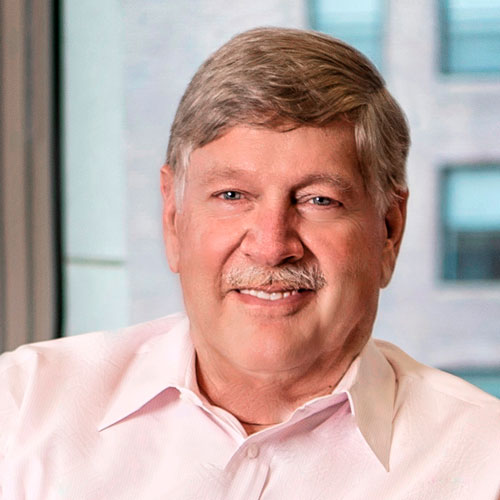
Steve Baird is president and CEO of Baird & Warner and the company’s fifth-generation owner.
The opinions expressed are solely those of the author and do not necessarily reflect the views of Agent Publishing LLC or Chicago Agent Magazine.