
Trends
For data-driven stories, to appear under “Trends” menu
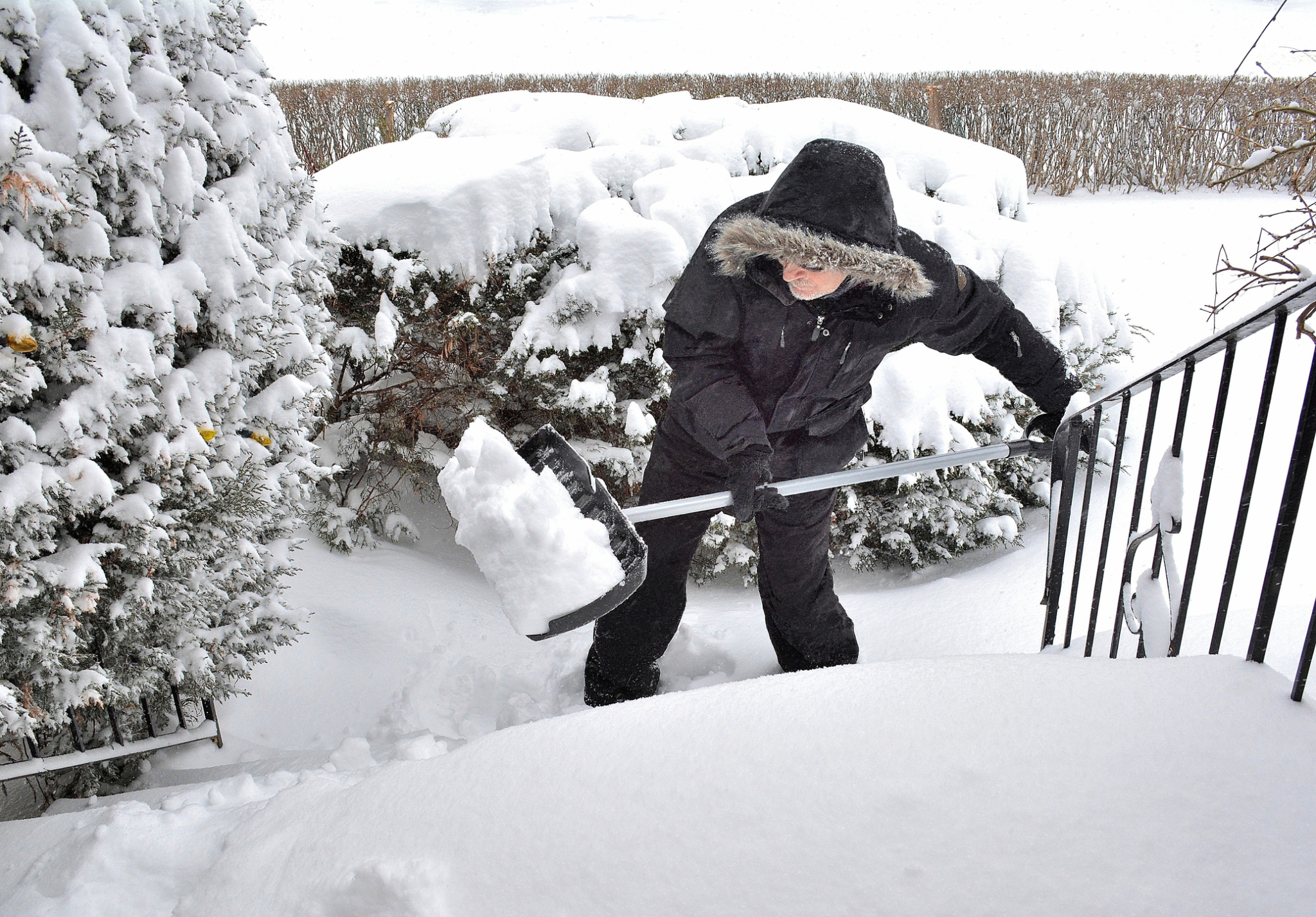
The COVID-19 pandemic is accelerating migration across the country, following moving patterns that began in prior years, according to a new report.

A new report ranks the glamour capitals of America — as well as the glamour deserts.

The Houzz 2021 Kitchen Trends Study highlights post-pandemic must-haves.
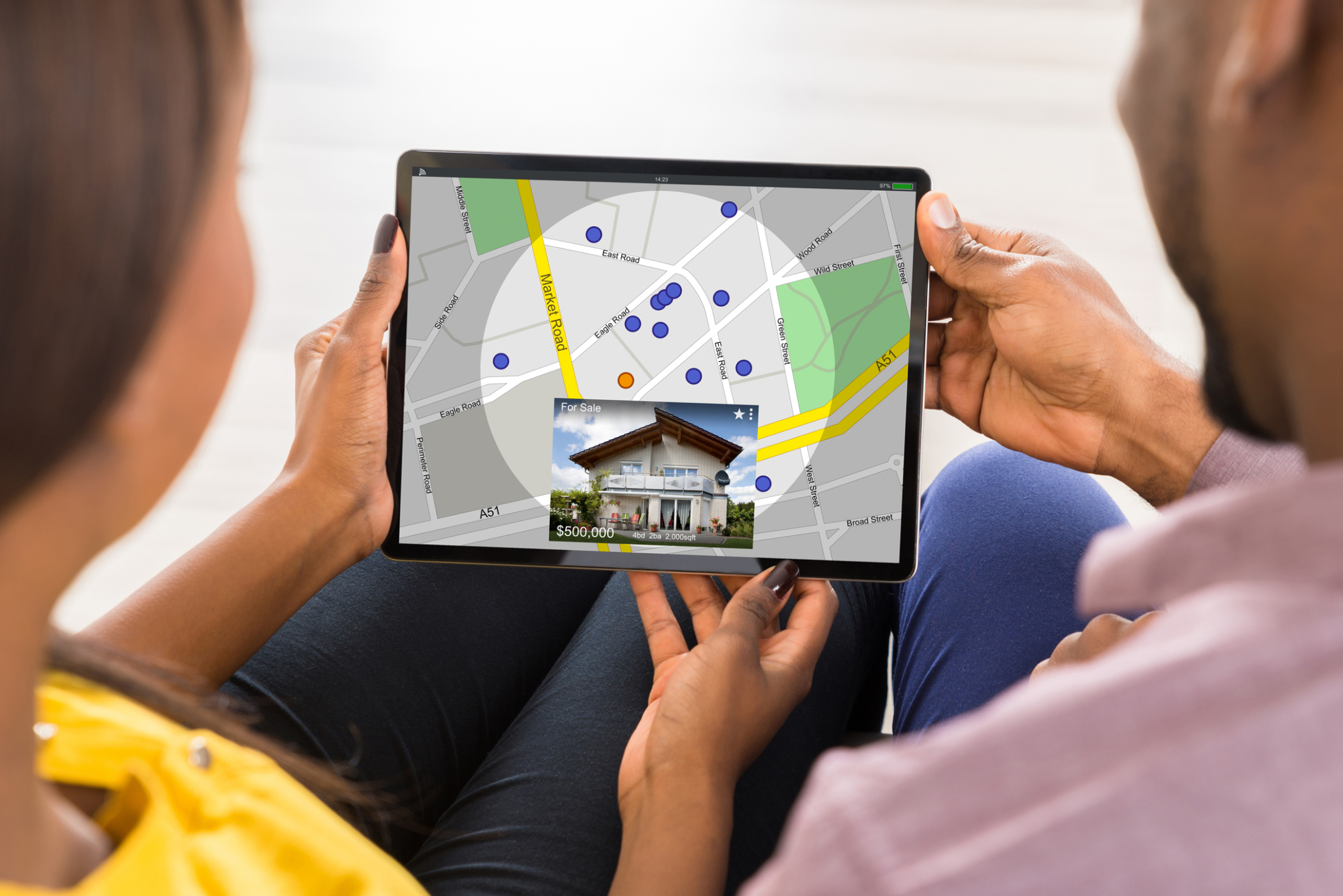
As the housing market heated up this summer, selling to an iBuyer became a less attractive option for many profit-minded homeowners.
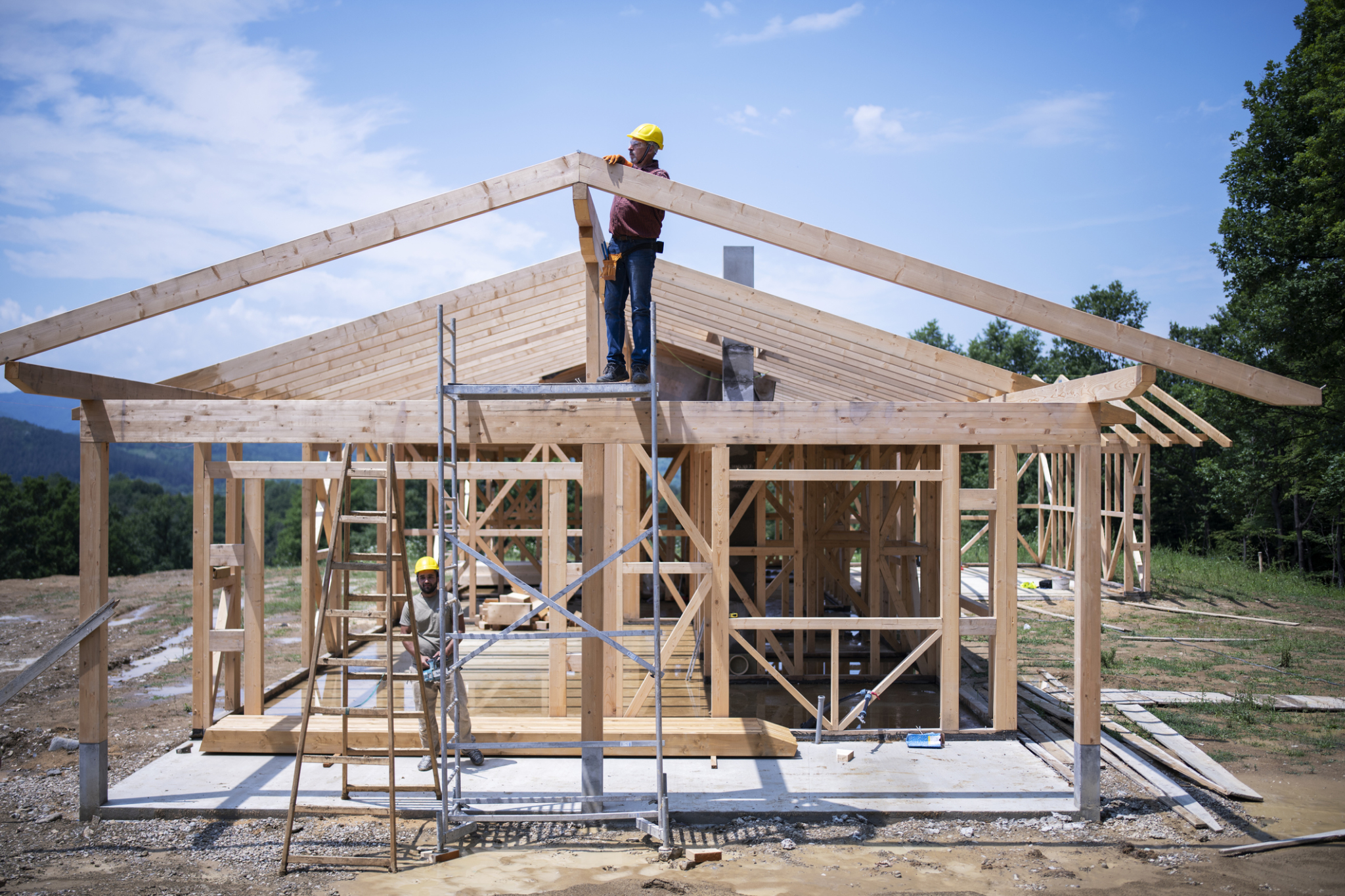
An ongoing shortage of existing homes on the market has made newly constructed homes especially desirable.

A new Redfin report shows condos are selling for a record 17% discount to single-family homes as the coronavirus fuels demand for space.

There are 5.7 million “missing” households since the Great Recession, a fact likely to boost housing demand for at least the next several years.
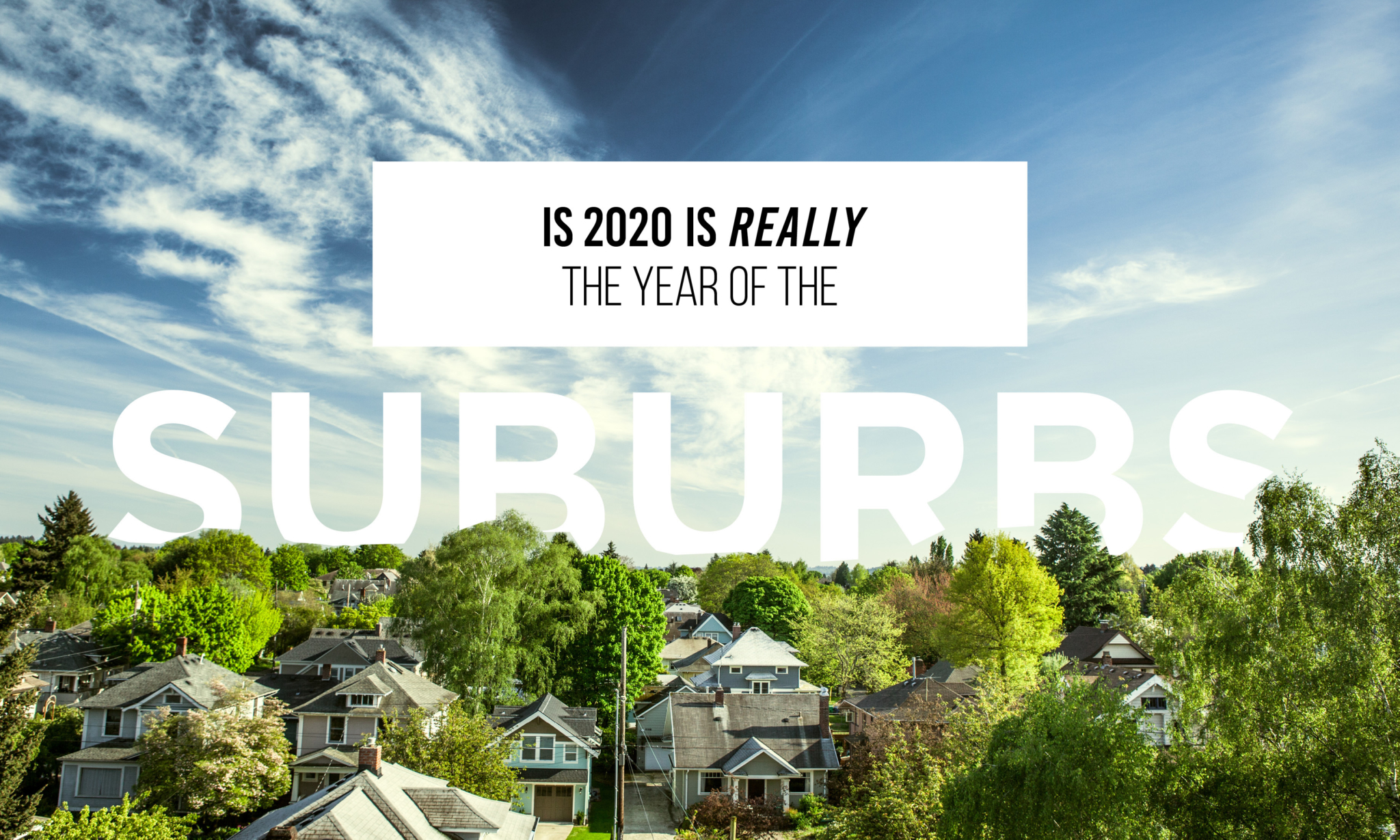
2020 has seen much speculation that COVID-19 is driving households away from cities to lower density places in the suburbs. RCLCO looks at whether 2020 is indeed the year of the suburbs.
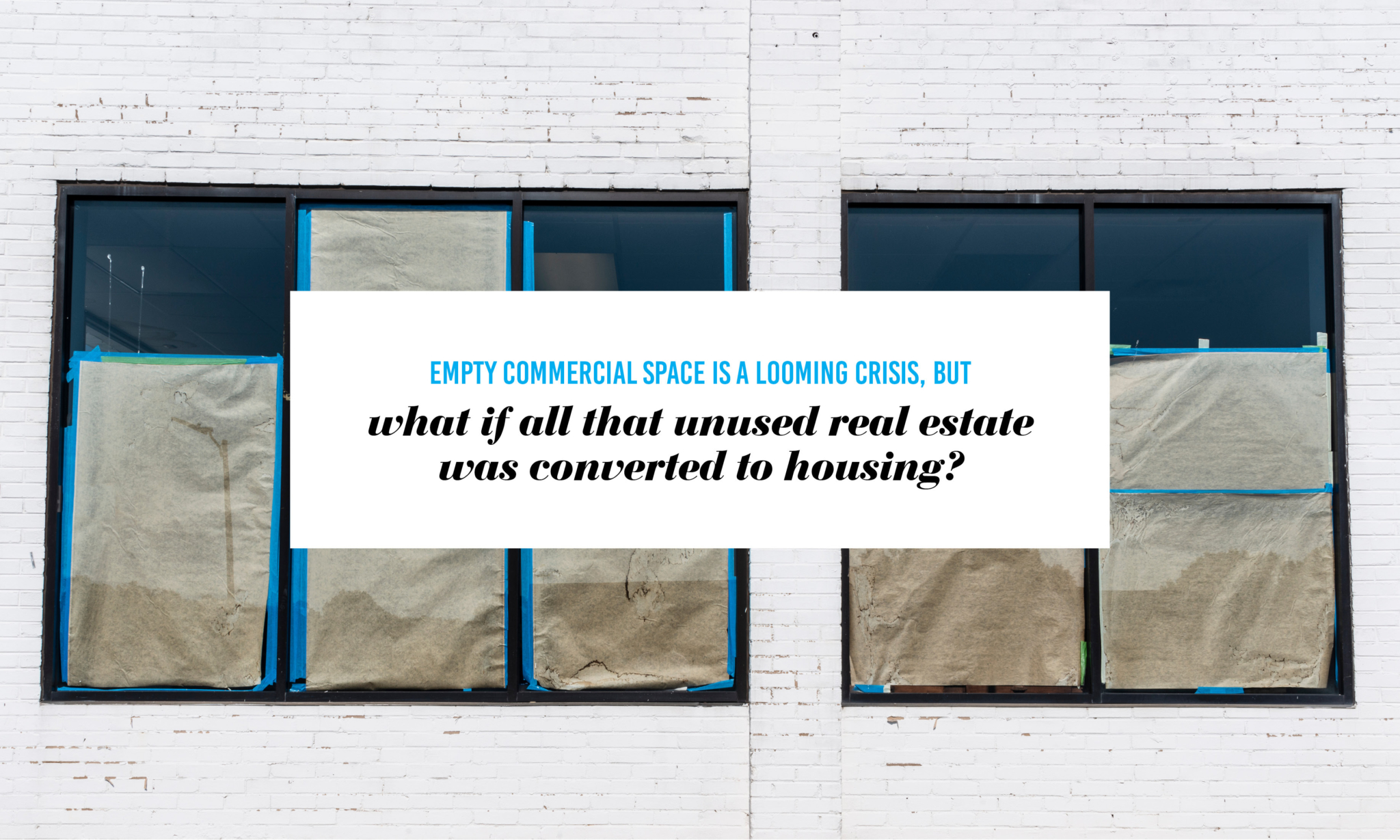
Empty commercial space is a looming crisis. What if all that unused real estate were converted to housing?
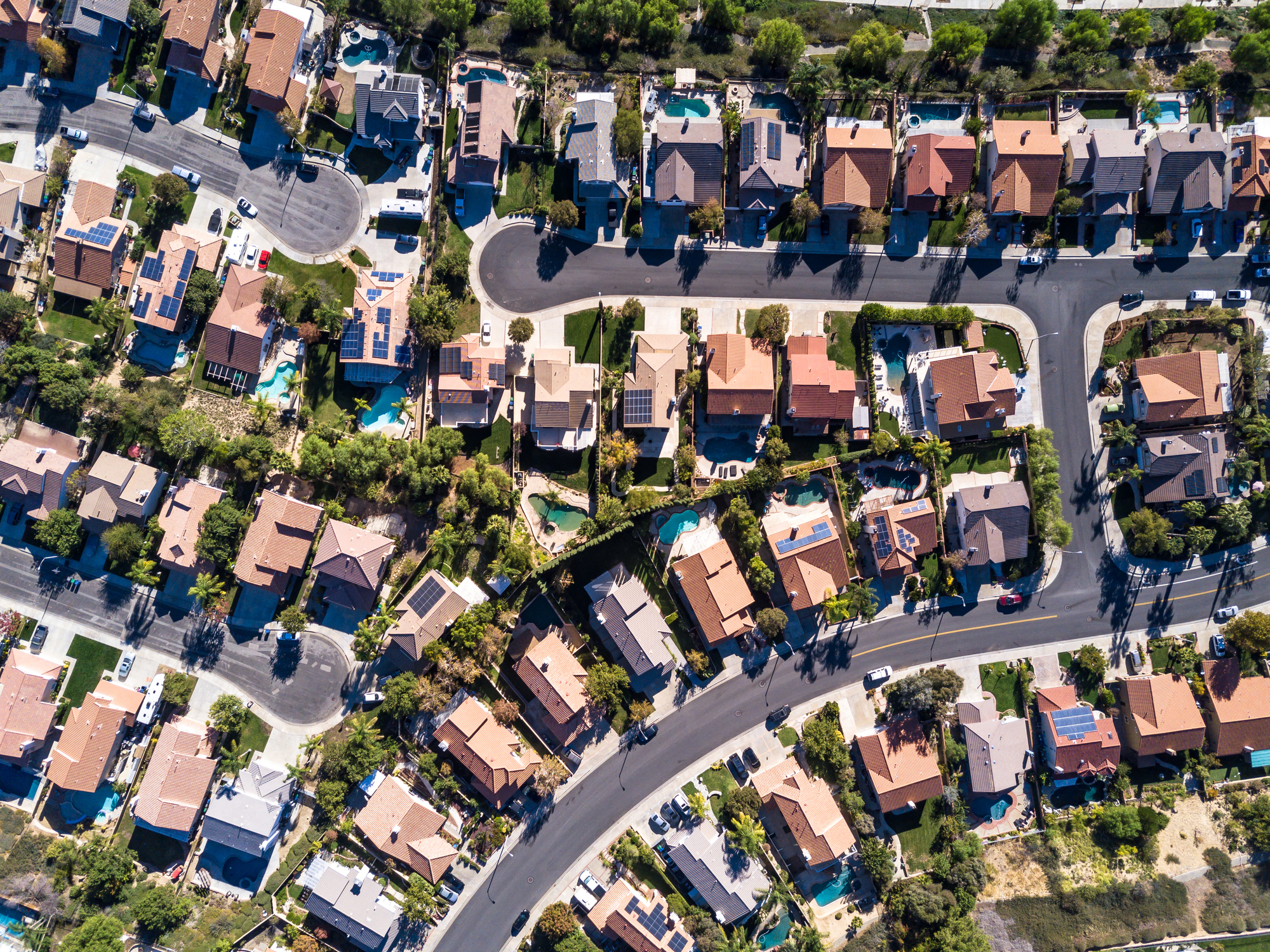
A new report from CoreLogic shows higher-priced rentals returned to 2019 growth rates while the lower-priced tier continues to lag.

“COVID-19 cases are on the rise and there is increasing likelihood of a further impact on economic activity, which may trigger a corresponding increase in unemployment in impacted industries,” says First American Chief Economist Mark Fleming.

A new report from NAR points to changes in homebuyer and home seller behavior brought about by the pandemic.

The decision to rent or to buy was once a question of finances and lifestyle preferences, but the coronavirus pandemic has added yet another complex layer to the equation for many Americans.

The third quarter was like a game of musical chairs for many who are abandoning large cities for more affordable areas of the country. See what’s happening in Chicago.

Chicago-area homebuyers help drive Florida’s “Zoom town” housing boom
“Chicago winters are hard and with more and more people able to work remotely, the weather in South Florida is a draw for sure.”

Areas hit hard by the pandemic could see a wave of zombie properties once the federal ban on foreclosures expires.