
Current Market Data
Of the 99 million residential properties in the U.S., approximately 1.4 million (or 1.4%) are vacant this quarter, with “zombie” home rates increasing both quarterly (21%) and annually (5.6%).
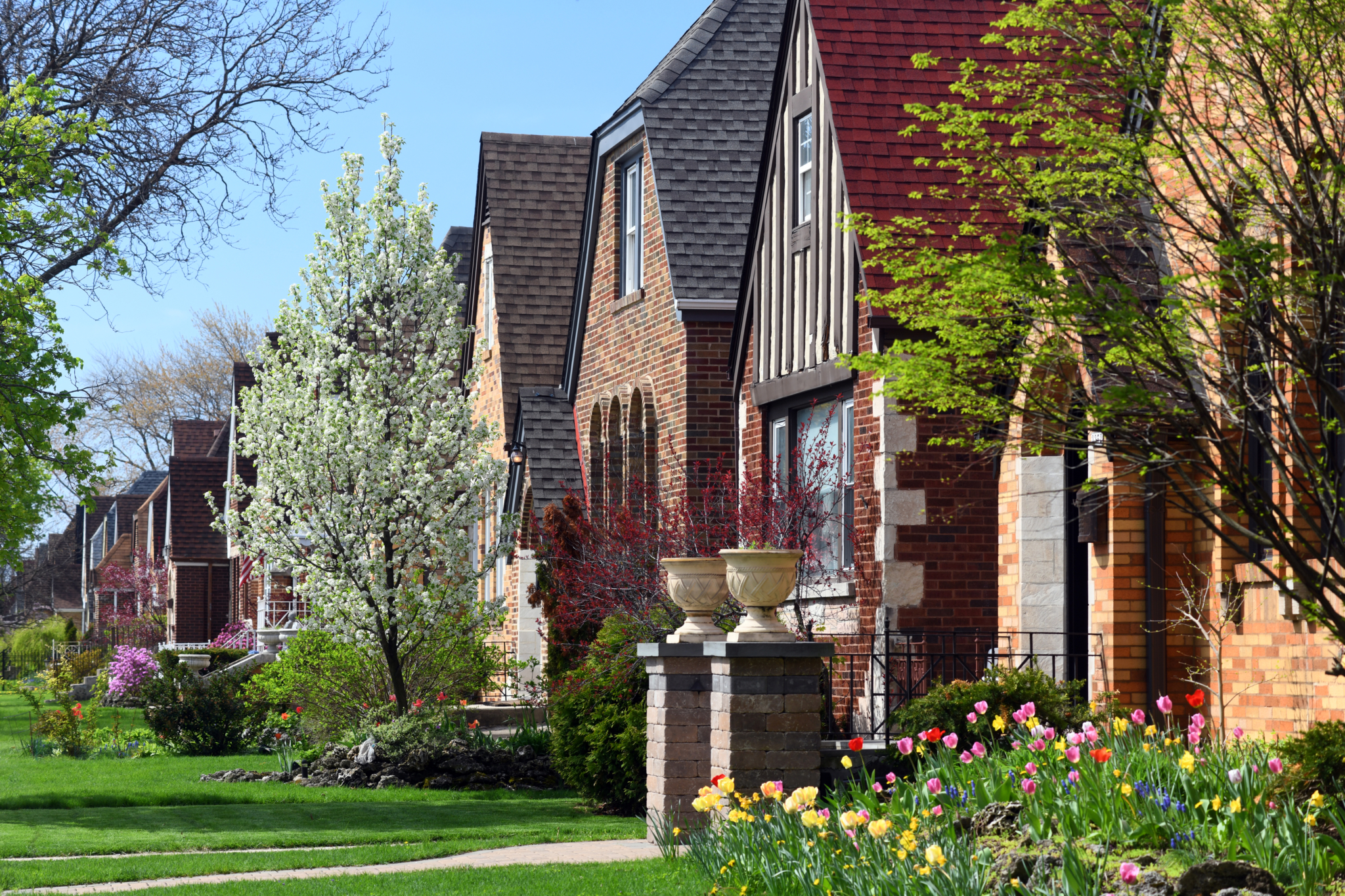
City life is reawakening after a year marred by the pandemic, but that doesn’t mean the resurgent demand for homes in the neighboring suburbs is coming down any time soon.
Year over year, however, pending home sales were up 57.1%, the NAR said, citing its monthly Pending Home Sales Index.

First-time homebuyers found their long-term plans changed due to COVID.

“Demand is robust throughout the country, but homebuyers continue to be held back by the lack of homes for sale and rapidly increasing home prices.” — MBA Associate Vice President of Economic and Industry Forecasting Joel Kan

The pace of housing-price gains in Chicago quickened in March, according to the S&P CoreLogic Case-Shiller U.S. National Home Price NSA Index, which showed a 1.9% increase from February and a 9% increase from a year earlier, compared to a gain of 0.2% the previous month.
Housing records continue to be broken, but despite the strong numbers, data could indicate homebuyer demand is reaching a peak.

Higher income, backed up by lower mortgage rates, has expanded the reach of the average homebuyer, but an increased demand for homes has concurrently driven up prices, negating two of the three main factors in First American Financial Corp.’s Real House Price Index.

The limited inventory that has plagued the housing market continued, although at an abated pace.

An analysis of 10 years of home sales found the spring and summer months offer the most gains for sellers, particularly the month of May.
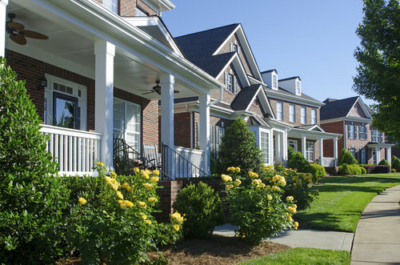
Residential property equity continued to grow in the first quarter of 2021, with one in three homes considered equity rich.

Two-thirds of Chicago homes sold on Redfin faced bidding wars in April.

Builder confidence was steady in May, carrying over April’s reading of 83 for another month, according to the most recent National Association of Home Builders/Wells Fargo Housing Market Index.

The first quarter of 2021 is under our belt, and sales are thriving in the Chicago metro area as the nation begins to reopen. Take a look at the top-producing agents and brokerages across Chicagoland through Agent Publishing’s collaboration with Midwest Real Estate Data LLC.

Whether they’re still weary of going to a gym full of people or just looking to work off those extra pandemic pounds in privacy, homebuyers are increasingly prioritizing home exercise rooms.
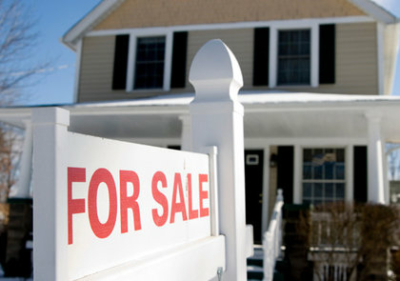
Americans believe it’s a much better time to sell a home than to buy one, according to Fannie Mae’s latest survey of home purchase sentiment.