Current Market Data
Inventory levels rebounded last month, finally showing signs of recovery following a year of historical declines.

The typical increase in home sales as summer approaches failed to materialize nationwide last month, with average sales dropping 0.2% from April to May, but month-over-month sales in Chicago bucked the trend, climbing 4.3%, according to the RE/MAX May National Housing Report.

Illinois is the 18th-best state to live in the country, according to WalletHub’s 2021 Best States to Live In list.
Although pending sales are up 29% from last year, they are starting to slow down, dropping 9.7% from their peak four weeks ago.
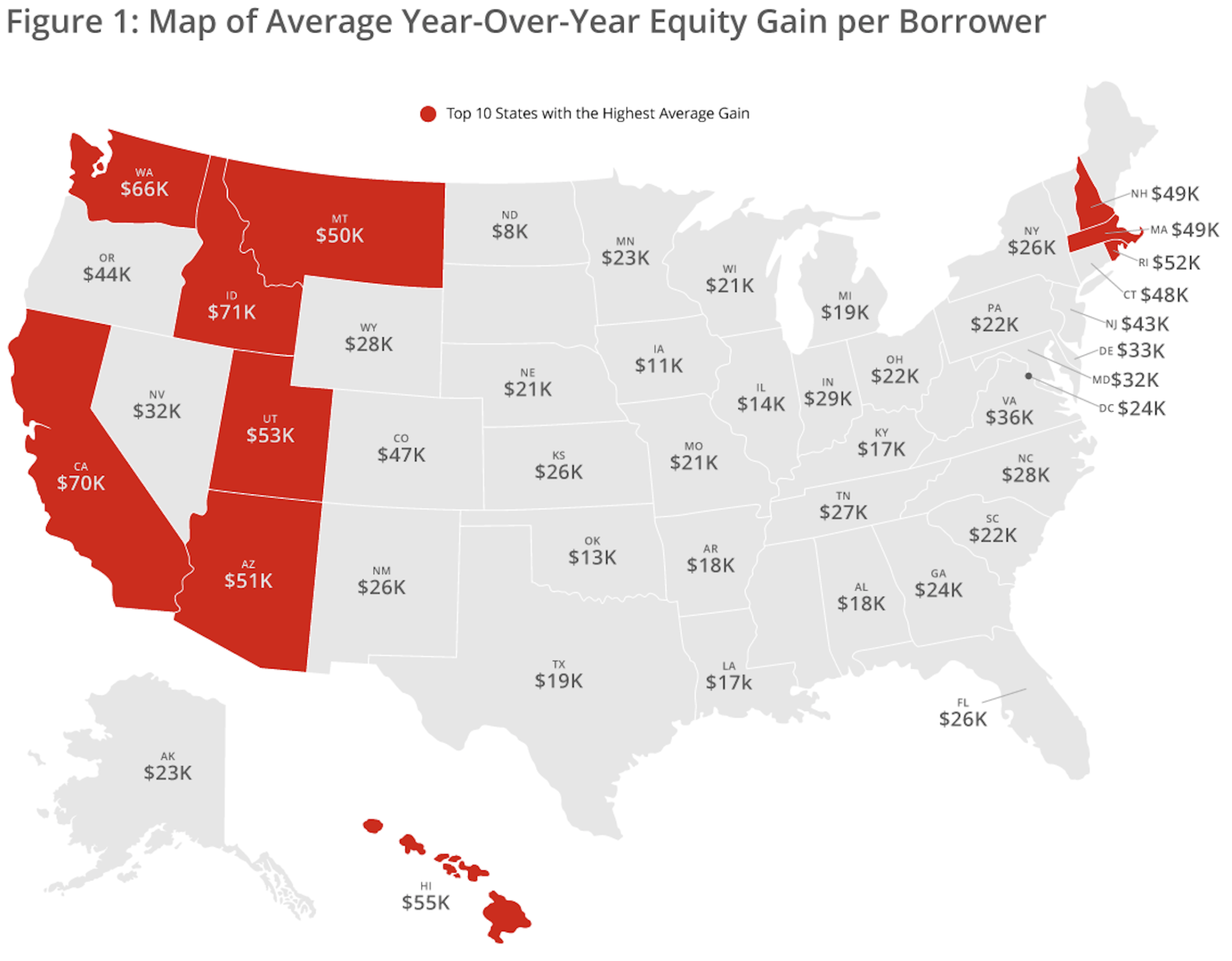
CoreLogic says the boost in equity will help stave off foreclosures, but the share of homes underwater in the metro Chicago area was at 6.1% at the end of the first quarter of 2021, outpacing the national rate of 2.6%.

Some cities fared better than others with the global pandemic and Chicago is one of them, according to The Economist’s 2021 Livability Index’s ranking of the most livable cities in the world.
Rising property values had homeowners cashing out of their existing residences to buy bigger homes in less-expensive areas last year.

High-end home sales surged in the three months ended April 30 as prices also rose and listings increased.
Detached single-family homes listed in the Chicago area are selling faster than ever, spending an unprecedented average of 53 days on the market in April, according to a report from the Mainstreet Organization of Realtors (MORe).

Houses in today’s market are selling in days, and Chicago sellers wanting the best chance for a quick sale should list on a Thursday before Labor Day, according to a new analysis from Zillow.
Home-price growth remained in double digits for the 10th straight month in May as inventory lows pushed the median listing prices up 15.2% from last year.
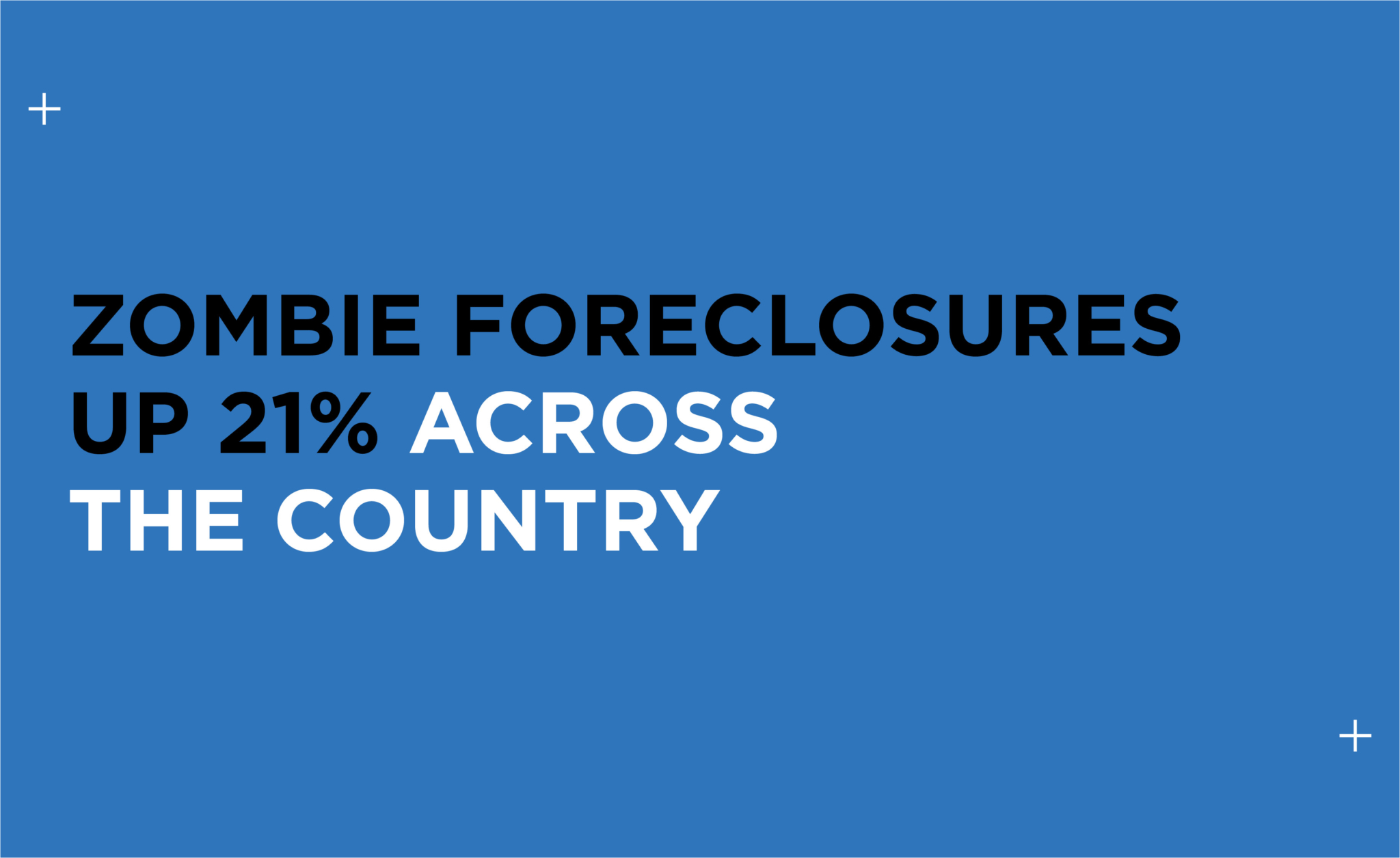
Of the 99 million residential properties in the U.S., approximately 1.4 million (or 1.4%) are vacant this quarter, with “zombie” home rates increasing both quarterly (21%) and annually (5.6%).
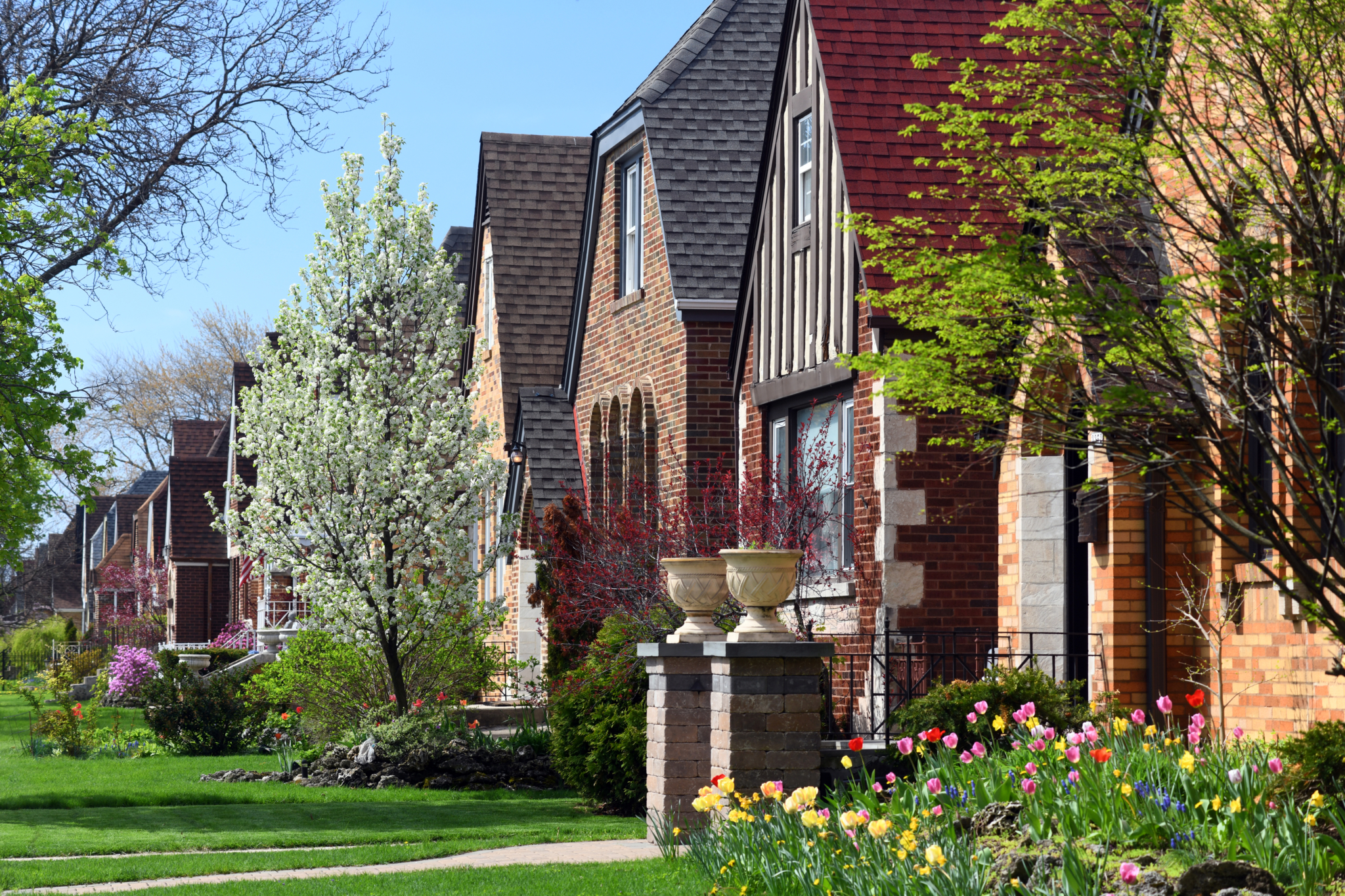
City life is reawakening after a year marred by the pandemic, but that doesn’t mean the resurgent demand for homes in the neighboring suburbs is coming down any time soon.
Year over year, however, pending home sales were up 57.1%, the NAR said, citing its monthly Pending Home Sales Index.

First-time homebuyers found their long-term plans changed due to COVID.

“Demand is robust throughout the country, but homebuyers continue to be held back by the lack of homes for sale and rapidly increasing home prices.” — MBA Associate Vice President of Economic and Industry Forecasting Joel Kan