
Current Market Data
July’s reading of 80 was down one point from June, but still signaled strong demand for housing, the National Association of Home Builders said.
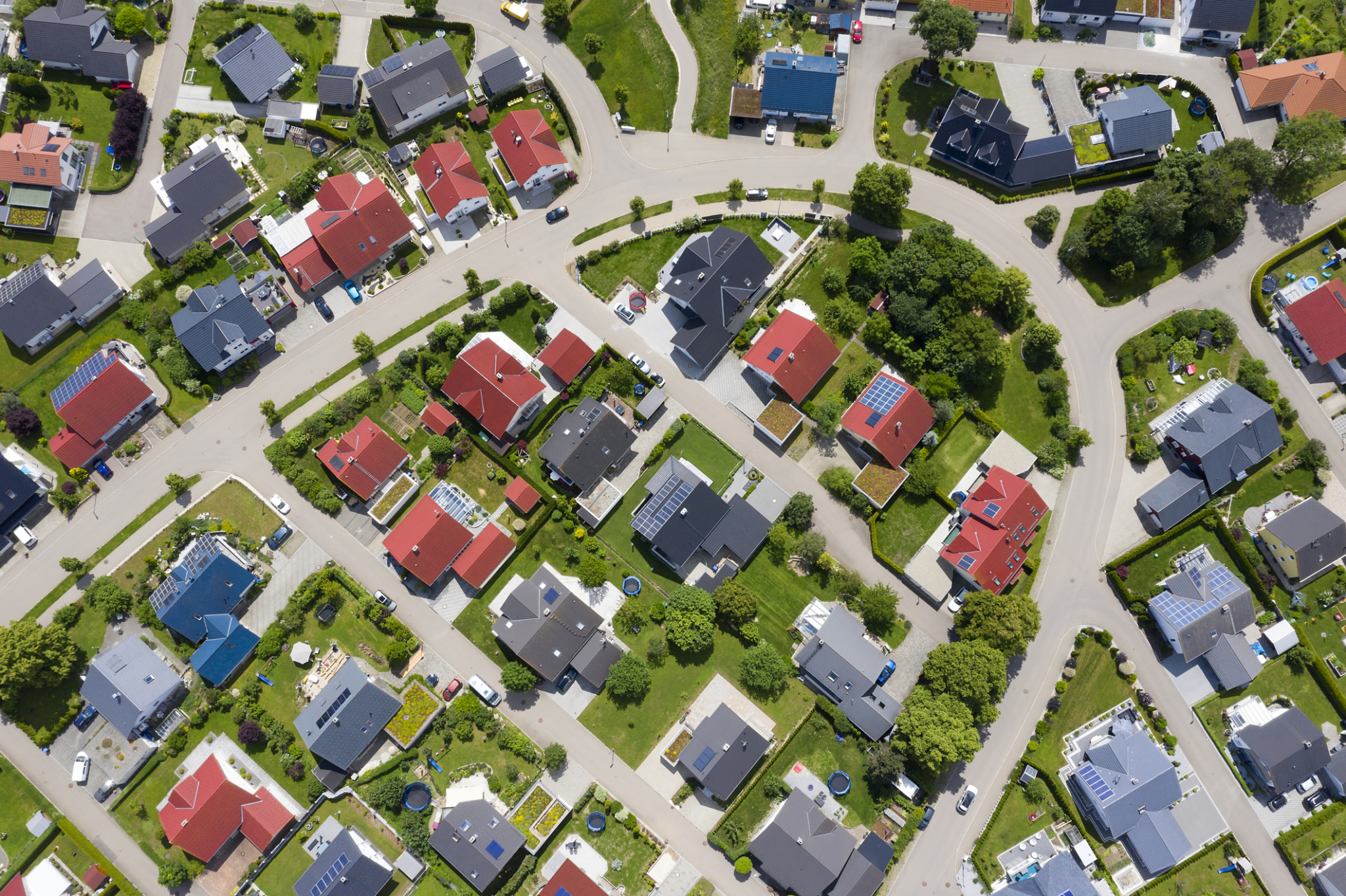
During the four-week period ended July 11, the average weekly share of homes for sale with a price drop passed 4% for the first time since September 2020.
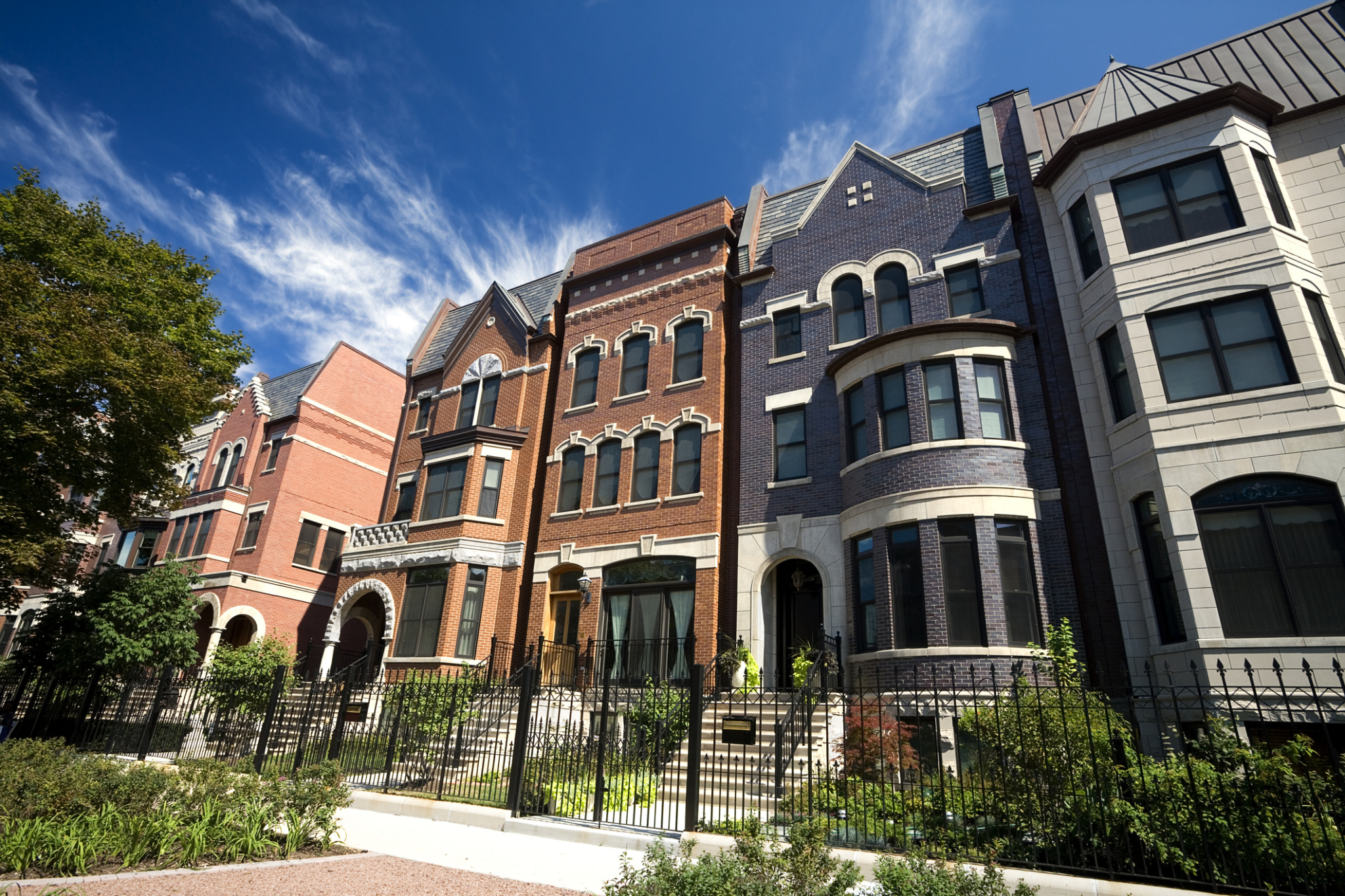
How luxurious is the American real estate market? You may be surprised.

Meanwhile, the Mortgage Bankers Association’s seasonally adjusted purchase index rose 8% from the previous week.

Adjectives reflecting the desire for privacy and physical isolation gained a place of prominence: “private,” “covered,” “quiet,” “separate” and “enclosed” were among the top 100 most-used description terms.
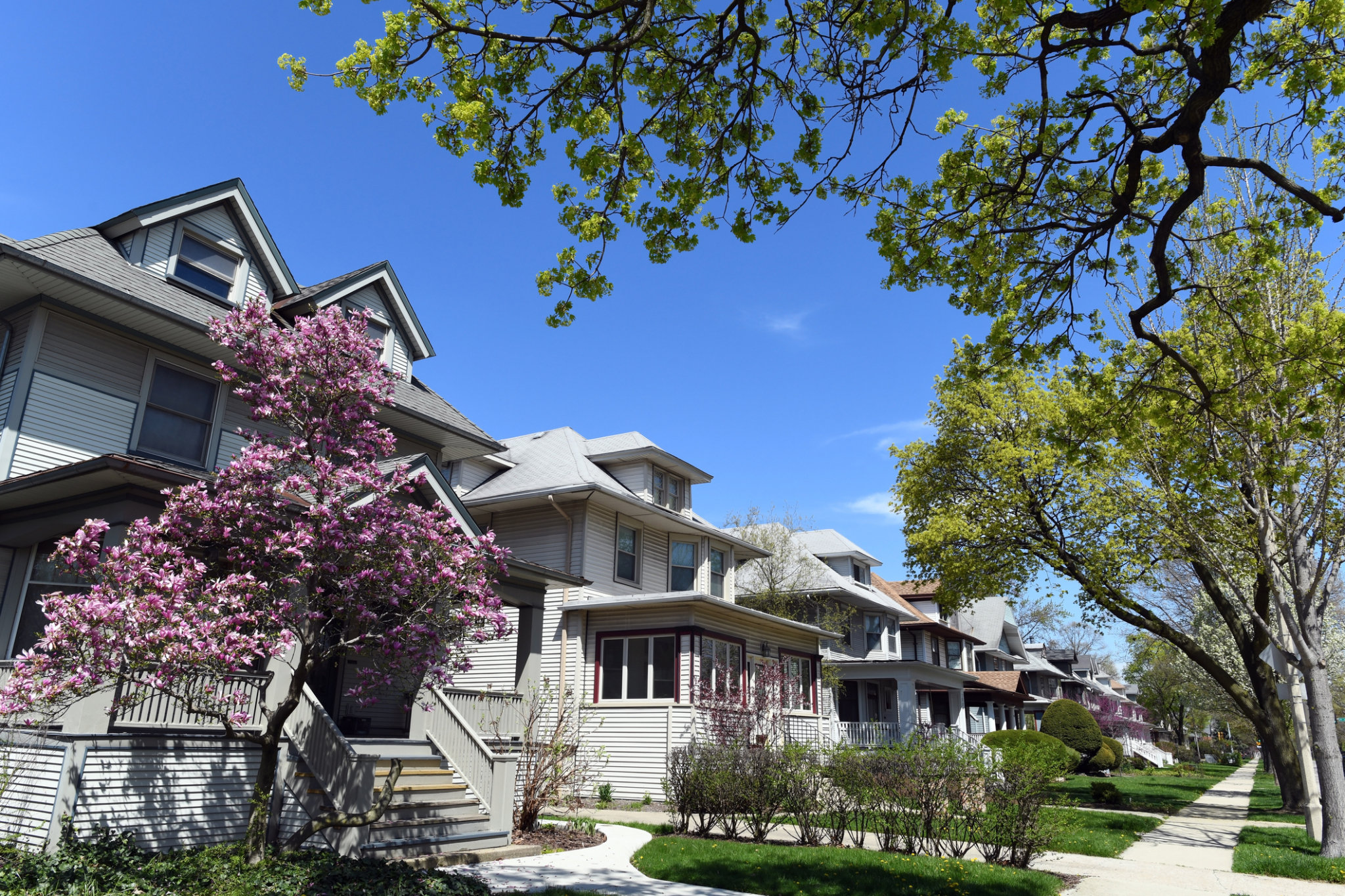
The competitive homebuying market showed signs of loosening up last month as bidding wars dropped from May despite being higher than they were a year ago.

It could take Chicago-area renters more than seven years to save for a down payment in today’s market.

We’re over halfway through 2021, and the Chicagoland real estate market is still going strong. Brokers in the city and suburbs are on track to have their best year ever, and our new report lists the top-producers for the second quarter.
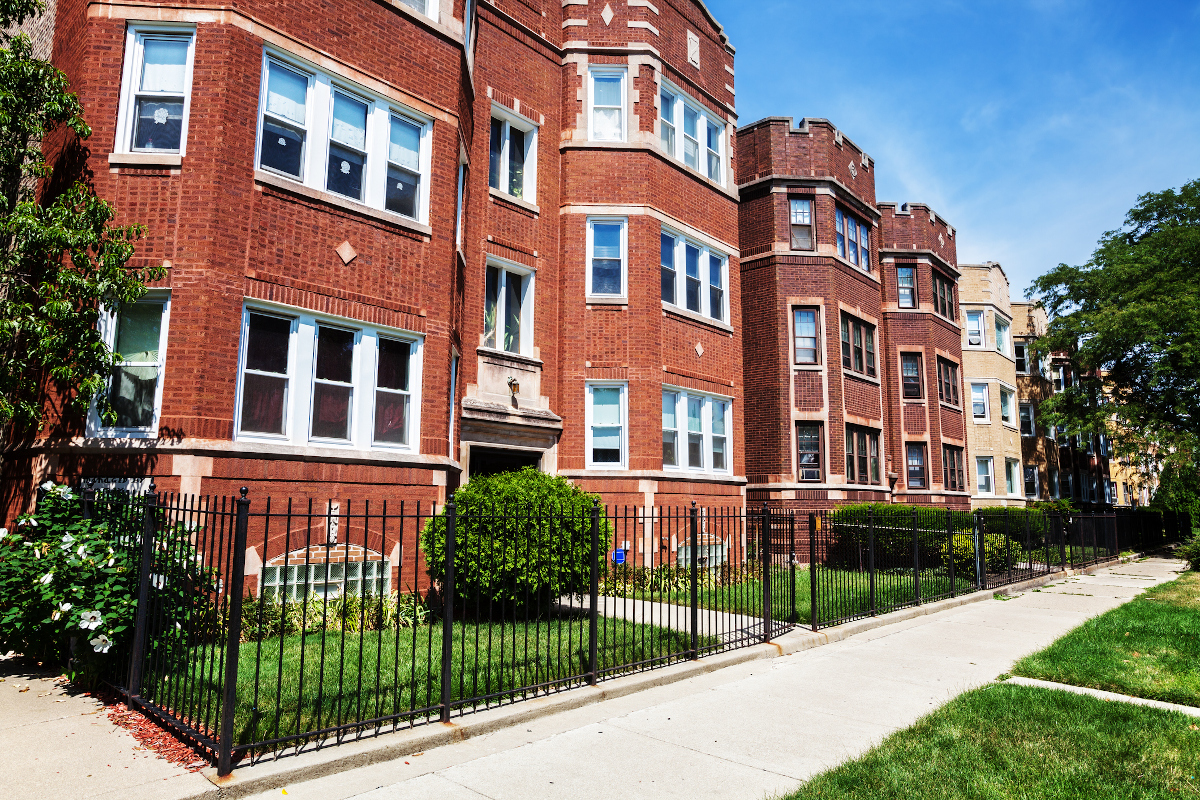
Despite an average nationwide uptick, Chicago rents declined year over year in May.

Millennials were once referred to as the “renter generation” because of their preference for apartment living in urban areas over purchasing a home in the suburbs like their Baby Boomer parents.

Housing markets across the country saw new listings growth in June, as the median list price hit yet another all-time high, and Chicago was no exception.

Strong growth of single-family construction spending drove the increase, while spending on multifamily construction was flat, the National Association of Home Builders said.
“We’re seeing similar pressures across the country, which is why the National Association of Realtors wants to create incentives for homebuilders to help meet the growing housing demand.” — MORe CEO John Gormley
“May’s strong increase in transactions — following April’s decline, as well as a sudden erosion in home affordability — was indeed a surprise. The housing market is attracting buyers due to the decline in mortgage rates, which fell below 3%, and from an uptick in listings.” — NAR chief economist Lawrence Yun
The seasonally adjusted estimate of new houses for sale at the end of May was 330,000, representing a supply of 5.1 months at the current sales rate, the U.S. Census Bureau and the Department of Housing and Urban Development reported.
Market competition has eased up recently, but seven in 10 buyers still face bidding wars, according to a new report from Redfin.