
Current Market Data
Property values continue to rise and those looking to downsize can make the most of the current market highs, but how much you can save by downsizing can vary significantly depending on where you live.

Although the suburbs bring to mind the dream of home ownership new data from RentCafé reveals that burbs are up for rent! Three suburbs in the Chicagoland area are now renter-majority.
The 10-city composite index rose 1.4% on a monthly basis and 19.1% on a yearly basis, while the 20-city composite gained 1.5% monthly and 19.9% annually.
Fewer buyers were looking for vacation homes in August, as the demand for second homes dropped for the third month in a row.
The seasonally adjusted estimate of new houses for sale at the end of July was 378,000, representing a supply of 6.1 months at the current sales rate.

Last year’s en-masse move to remote work has driven what Zillow has dubbed the Great Reshuffling, as homeowners working from home have paused and reevaluated where and how they live.
The increase was driven by a 21.6% month-over-month spike in the rate of new multifamily construction. Single-family housing starts, meanwhile, slid 2.8%.
September’s reading of 76 was up one point from August, despite lingering challenges with labor and the building-material supply chain, the National Association of Home Builders reported, citing the latest NAHB/Wells Fargo Housing Market Index.

Month over month, home sales were down 3.5%, and the median sale price declined 1.2% to $335,000.

Wonder where Chicago residents are headed? You might be surprised.
Illinois had the highest foreclosure rate in the nation in August 2021, according to new data from ATTOM’s U.S. Foreclosure Market Report.
Pending home sales in August rose just 9%, the slowest growth since June 2020, according to a new Redfin report.
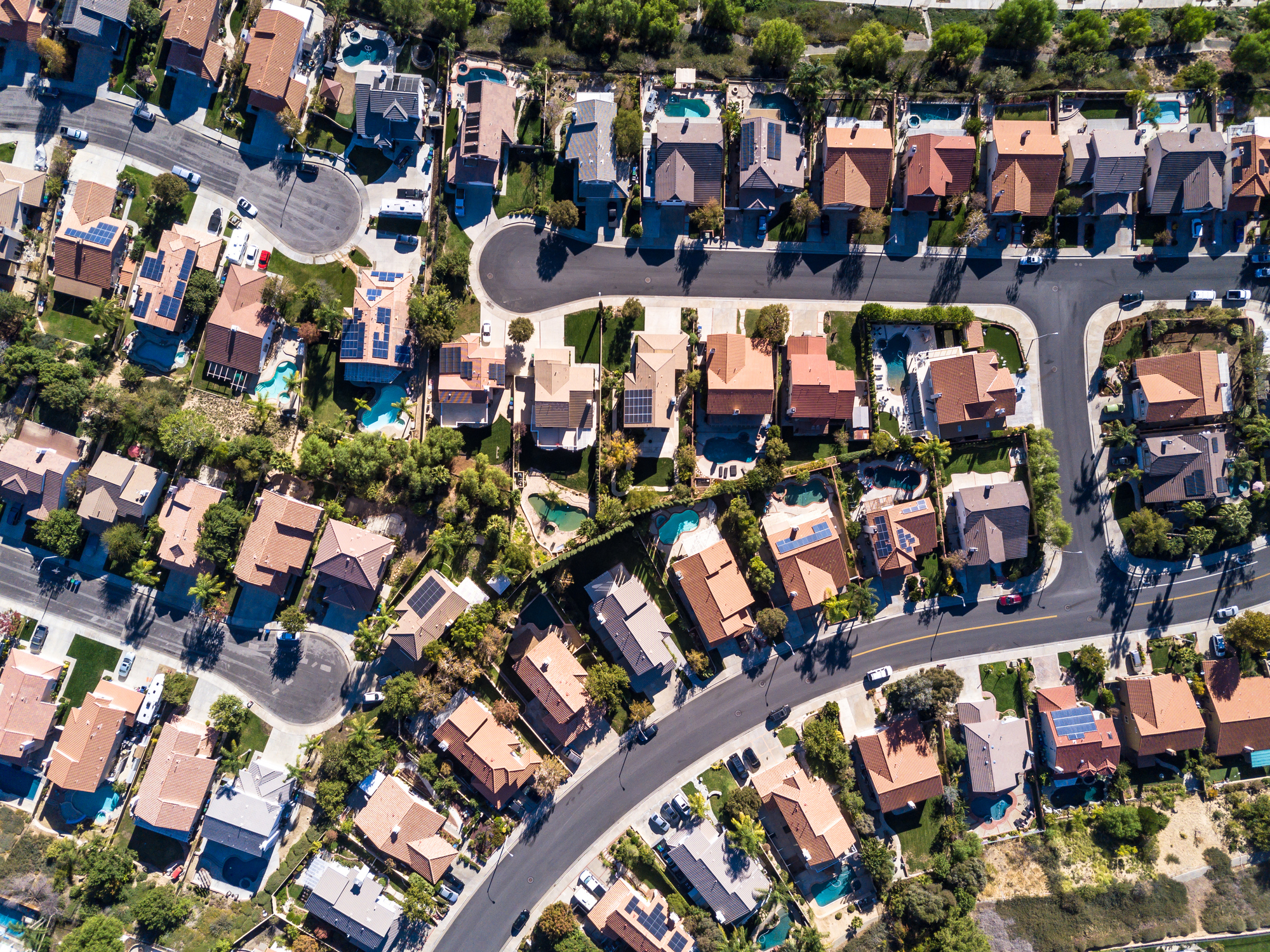
A decline in new home listings has had little impact on the market as far as demand is concerned, according to a recent Redfin report.
Income levels and mortgage rates gave homebuyers in June 129% more house-buying power than they had in 2006, according to First American Financial Corp.’s June Real House Price Index.
Even as the real estate market is showing signs of cooling and more sellers are dropping asking prices, median home prices increased by double digits from last year.
Also during the month, the median sales price rose to $390,500 from $370,200 in June, according to the U.S. Census Bureau and the Department of Housing and Urban Development.