
Trends
For data-driven stories, to appear under “Trends” menu

Home-price gains were once again broadly distributed, as all 20 cities in the S&P CoreLogic Case-Shiller Home Price Index rose, although in most cases at a slower rate than a month ago.

At the same time, the increase in interest rates drove fewer borrowers to refinance their loans, according to the Mortgage Bankers Association.

The month also saw a slight shift in inventory, even though shortages continued.
“There simply aren’t enough homes for sale relative to the demand fueled by millennials armed with low mortgage rate-driven house-buying power.” — First American Deputy Chief Economist Odeta Kushi

The median existing-home price for all housing types in September was $352,800, up 13.3% on an annual basis, as every region in the country registered price increases.
The decrease was driven by a 5.1% month-over-month slide in the rate of multifamily starts, while single-family construction was flat.

The number of closed sales fell 12.5% month over month, while active inventory slid 2.5% to 37,646. Median sales prices dropped 3%, but that’s still up 5.8% from September 2020.

As remote work becomes the new norm for many homeowners, real estate professionals are encouraging clients to consider implementing insurance-based smart home technology into their homes.

The federal government can play a big role in helping to further improve assessments by releasing data from the Uniform Appraisal Database used by Fannie Mae and Freddie Mac in determining which loans to back.

Mortgage rates rose quickly last week. The 30-year fixed mortgage rate hit 3.01%, up 0.13% from the week prior.
All four geographic regions saw increases, led by the Midwest, which clocked a 10.4% rise from July, and the South, where sales rose 8.6%. Pending transactions rose 7.2% in the West and 4.6% in the North.

A new report shows the market cooled in August, at least in terms of the number of prospective buyers looking at homes.
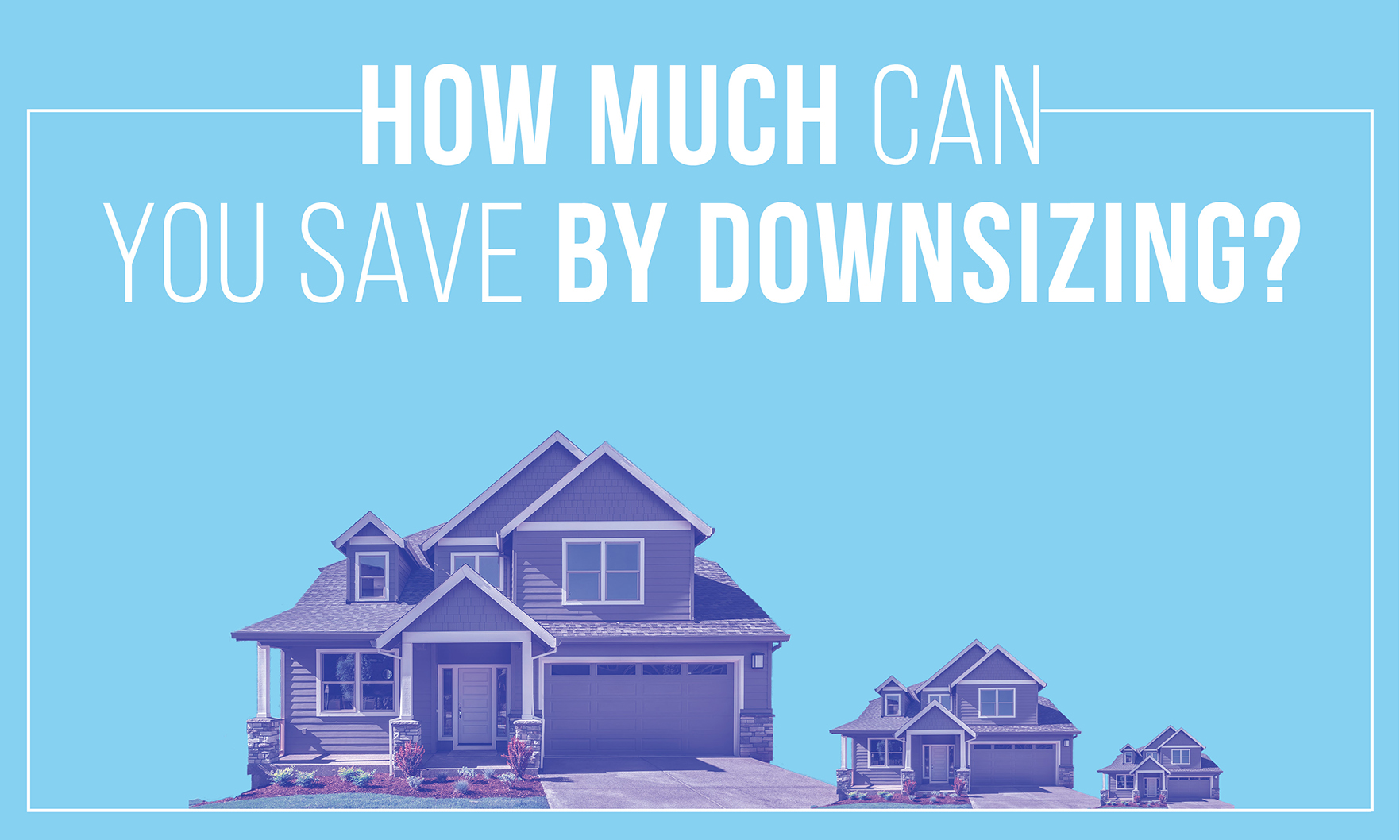
Property values continue to rise and those looking to downsize can make the most of the current market highs, but how much you can save by downsizing can vary significantly depending on where you live.

Although the suburbs bring to mind the dream of home ownership new data from RentCafé reveals that burbs are up for rent! Three suburbs in the Chicagoland area are now renter-majority.
The 10-city composite index rose 1.4% on a monthly basis and 19.1% on a yearly basis, while the 20-city composite gained 1.5% monthly and 19.9% annually.
Fewer buyers were looking for vacation homes in August, as the demand for second homes dropped for the third month in a row.