
Current Market Data
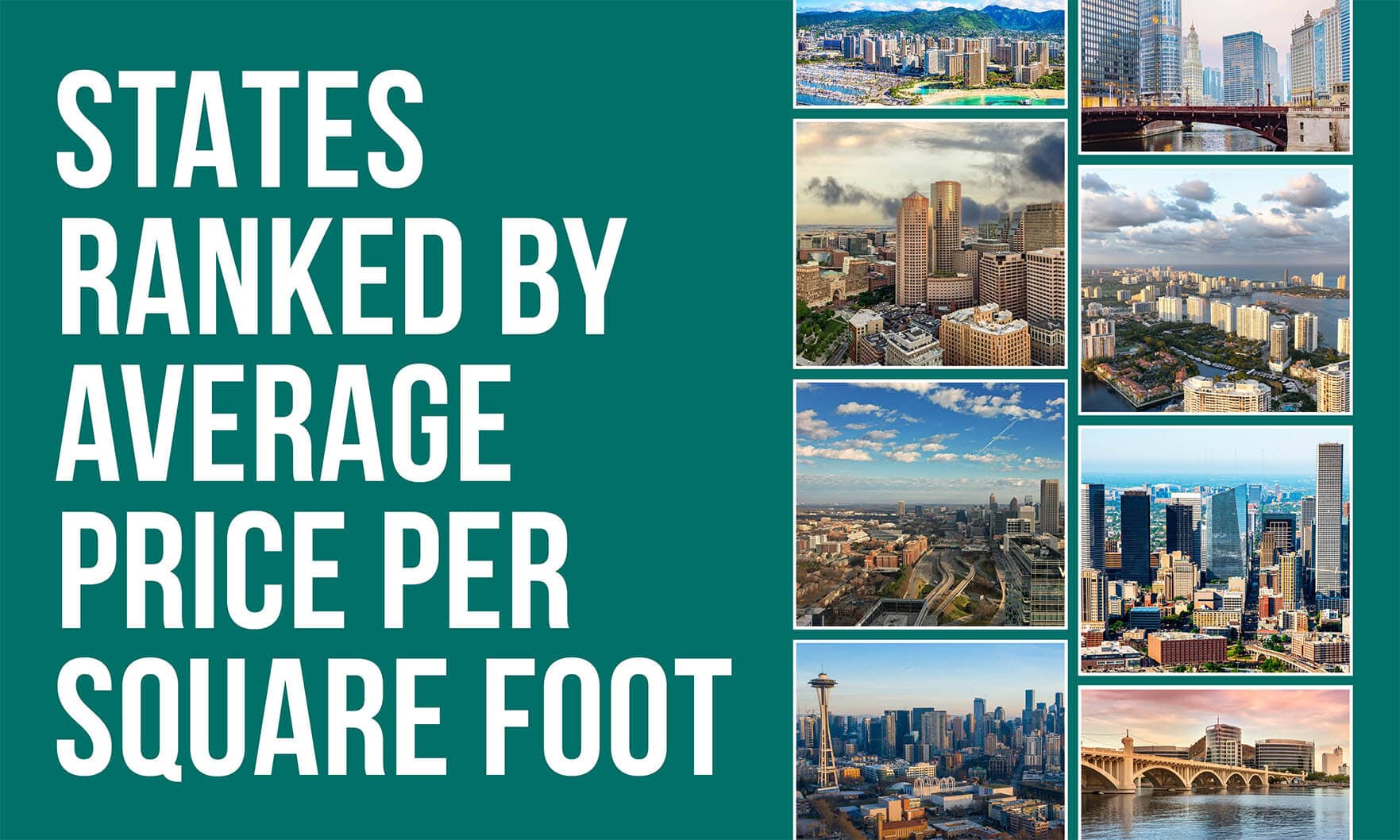
Illinois had an average price per square foot of $183.
Transactions that do go through are typically seeing multiple offers, NAR Chief Economist Lawrence Yun said.
A third consecutive month of increases in the S&P CoreLogic Case-Shiller U.S. National Home Price Index lends new evidence to claims that previous declines could be behind the market.
Demand for newly built homes has remained strong as high interest rates keep many would-be sellers of existing homes off the market.
At the same time, the median existing-home price for all housing types slid 3.1% year over year to $396,100.
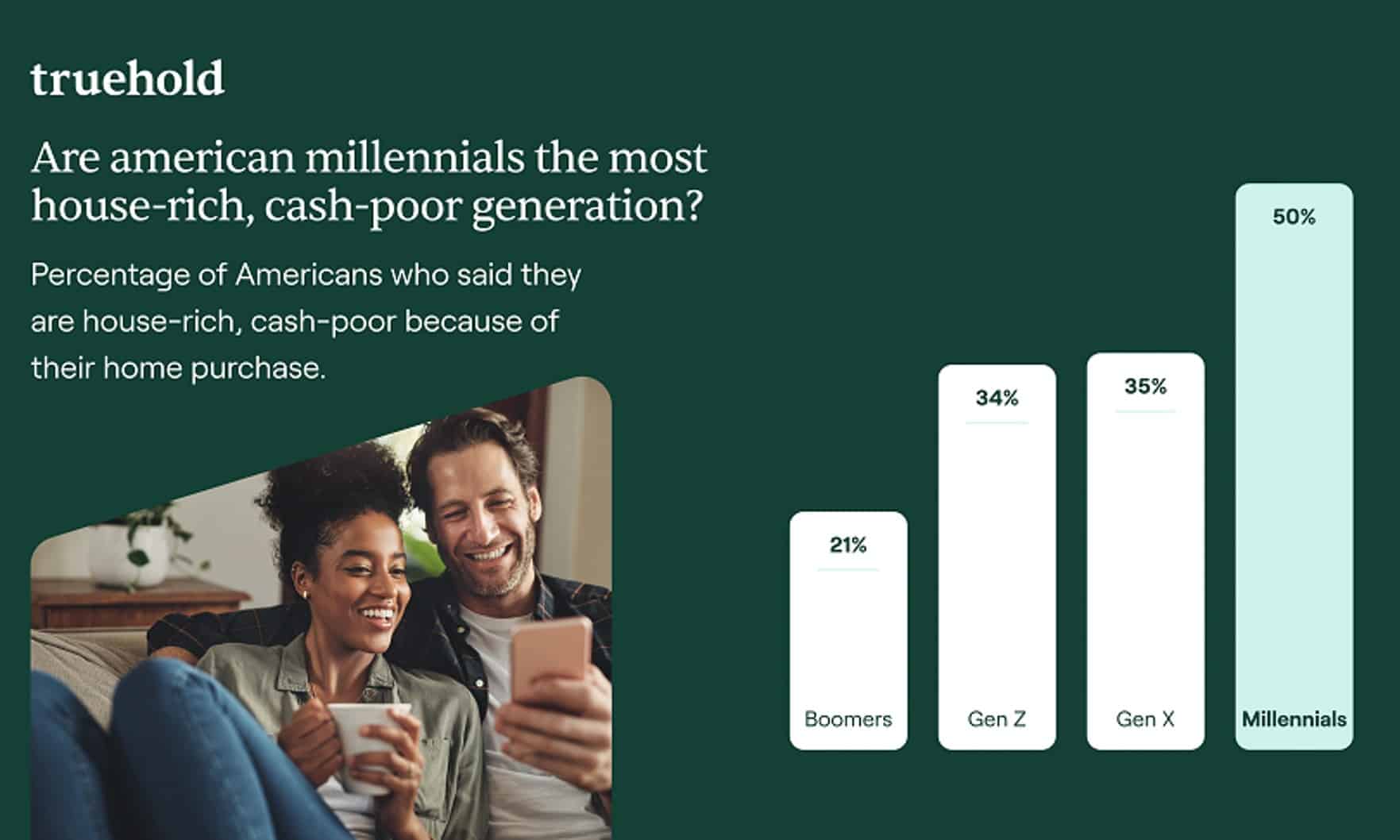
Motivations for homeownership are varied across generations: Gen Z and Boomers made the decision for better living conditions, while Gen X and Millennials were in search of stability they couldn’t get while renting.
“Paint is a relatively affordable and easy change, yet it has an outsized impact on a buyer’s perception of the home,” said Amanda Pendleton, home trends expert at Zillow.
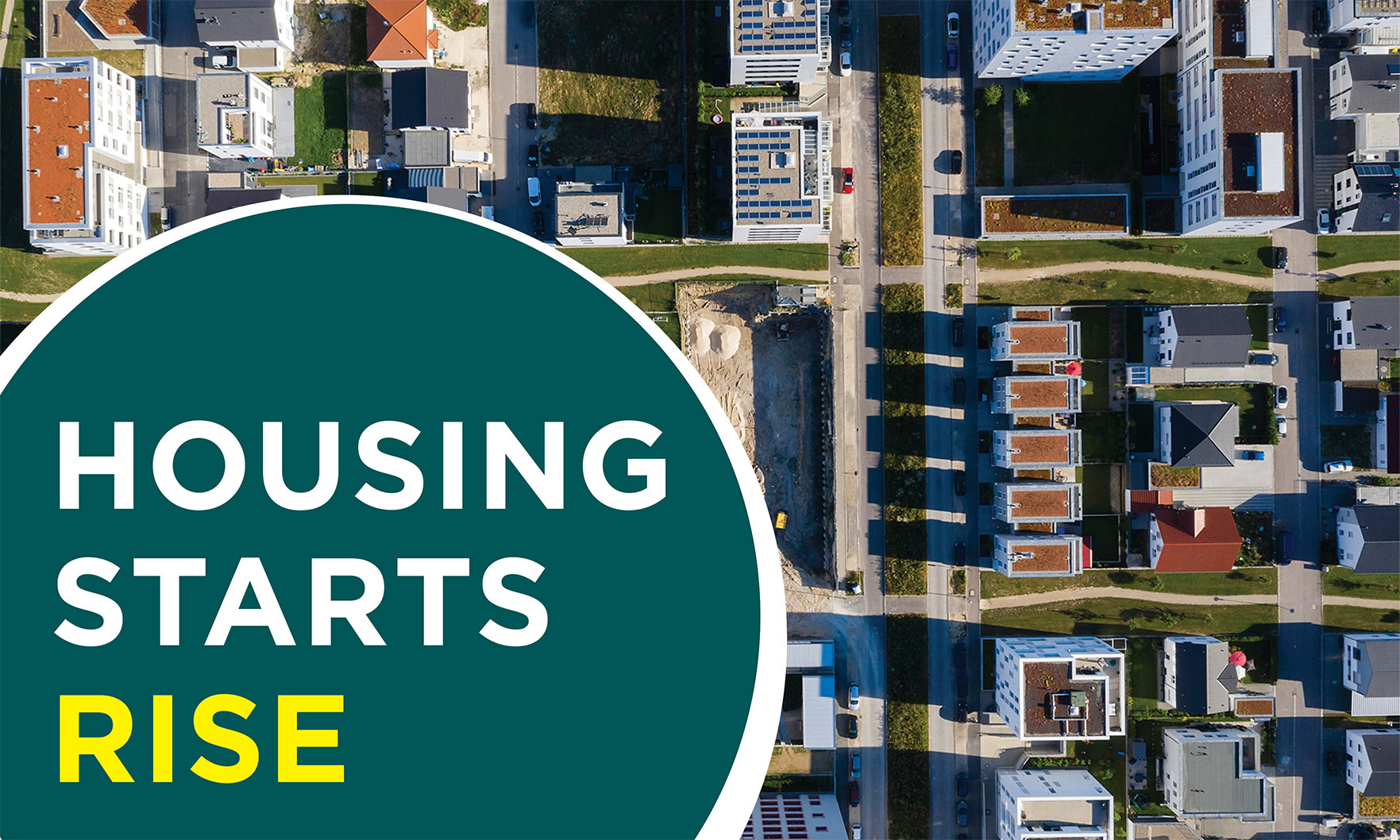
The larger-than-expected increase comes as homebuilder sentiment rose for the sixth month in a row.
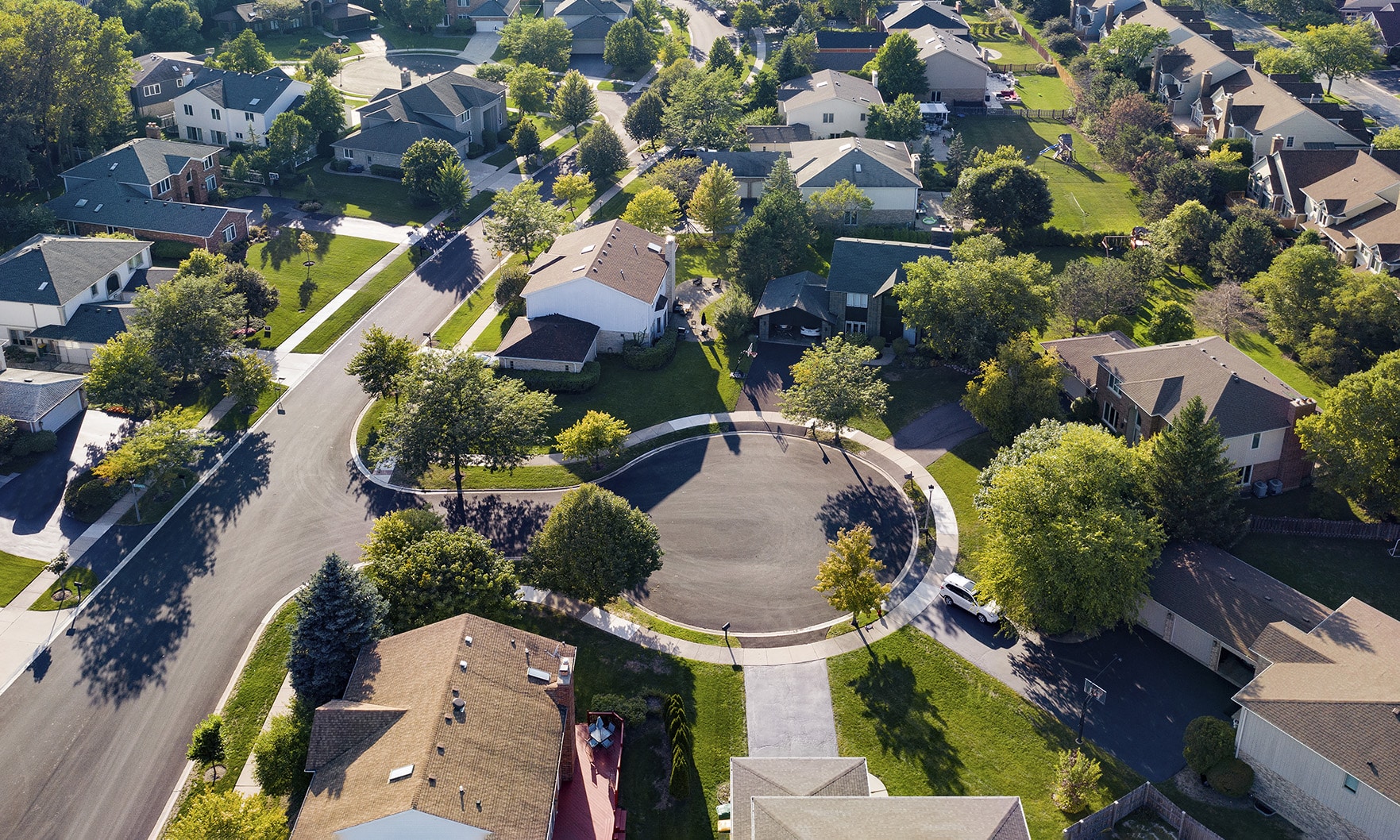
There are nearly 40% fewer homes for sale now than before the pandemic began.
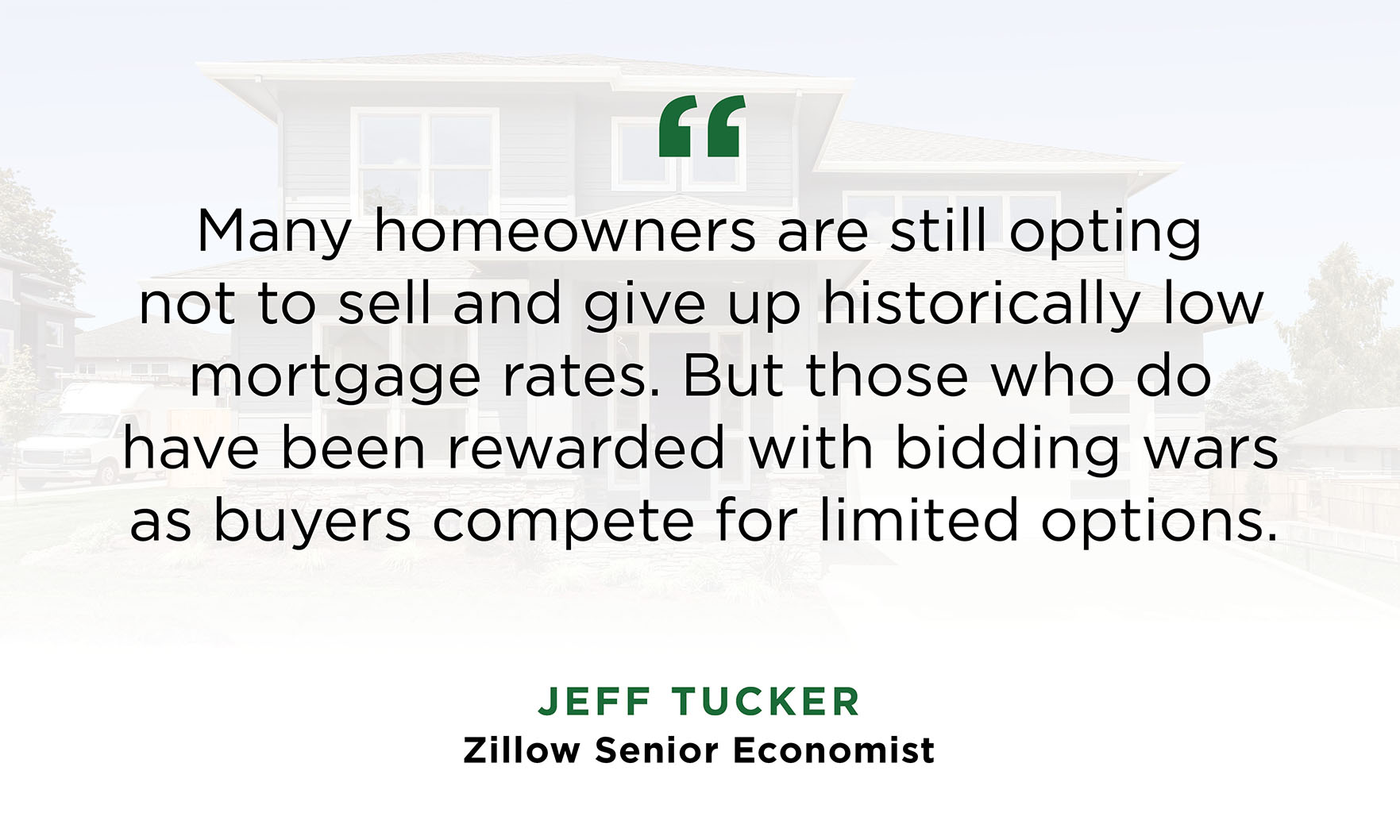
Homebuyer competition is driving up prices, as inventory constraints continue to plague the real estate market.
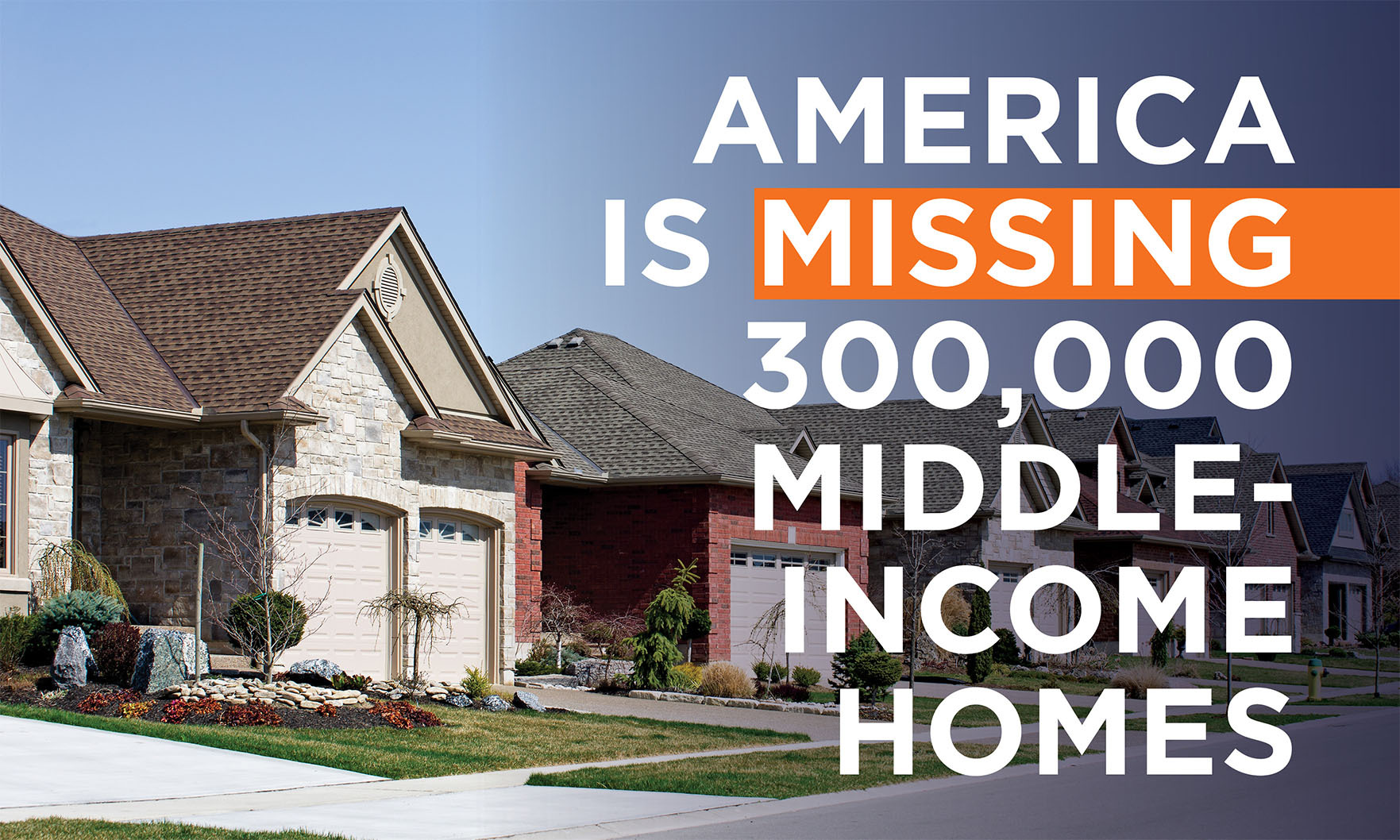
Homes affordable to middle-income buyers — defined as households earning up to $75,000 — fall in the $256,000-to-$320,000 range. But of the over one million U.S. homes on the market at the end of April, less than a quarter of all listings were within that price range.
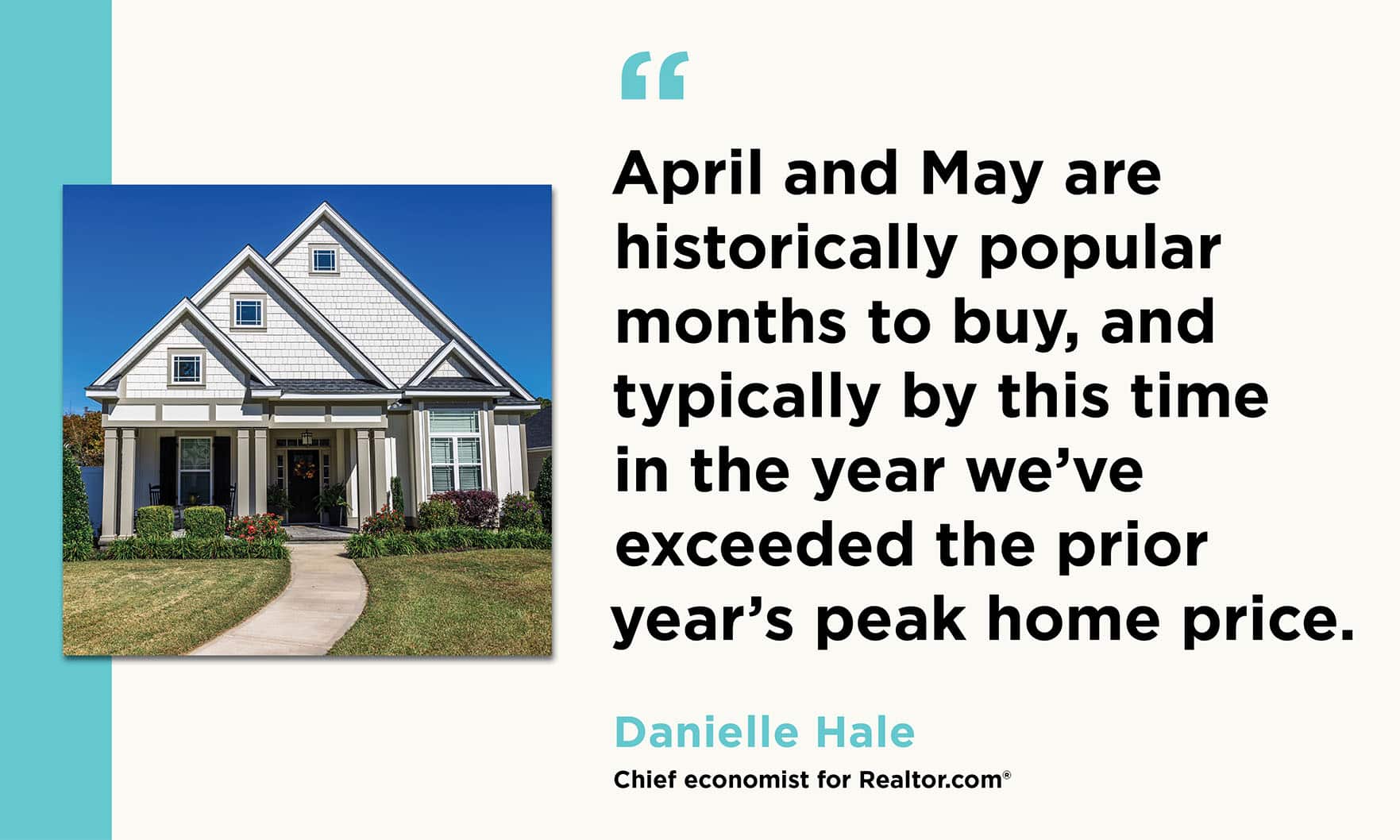
Chicago listings were down 18.5% from last year.
A second consecutive month of increases in the S&P CoreLogic Case-Shiller U.S. National Home Price Index could indicate a reversal of the negative trend that began last year.
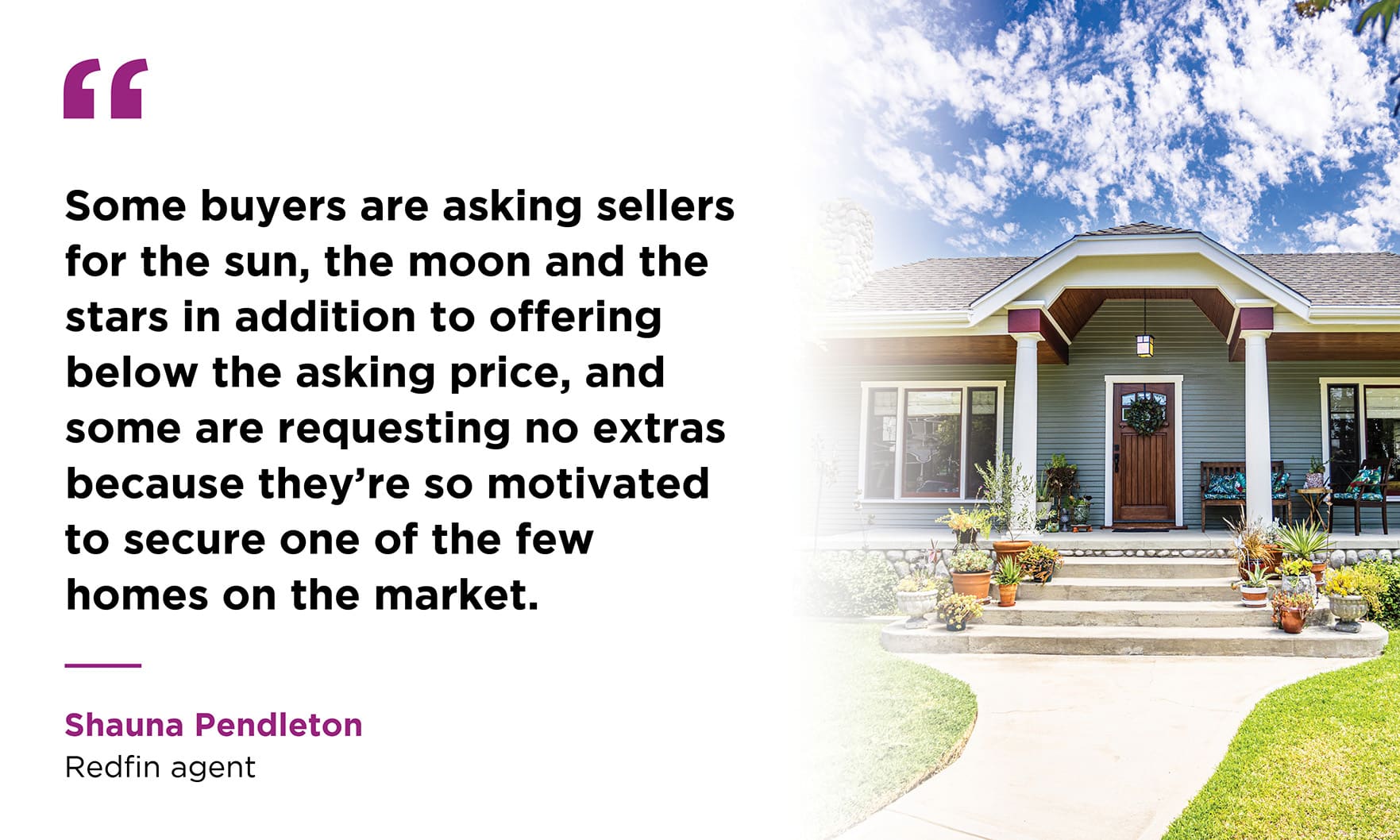
The percentage of Chicago sellers making concessions to buyers is up from last year.
Despite solid demand, a dearth of homes for sale kept transaction numbers muted in the association’s most recent report on pending sales.
A shortage of existing inventory continues to drive buyers to new construction.