
Current Market Data
Two weeks after housing inventory turned negative, home prices posted a healthy increase, MarketNsight said.

First-timers made up 45% of buyers in 2022 and 37% in 2021.
High mortgage rates and limited inventory continued to weigh on sales activity, National Association of REALTORS®Chief Economist Lawrence Yun said.
Single-family home permits and completions, meanwhile, also rose, according to the U.S. Census Bureau and the U.S. Department of Housing and Urban Development.
Meanwhile, July’s home sale prices had their highest increase since November.

Of survey respondents who made a wedding registry in the past two years, 85% said they would have preferred to receive money they could have used towards a down payment, mortgage payment or other associated homebuying costs.
The industry group issued its housing-market forecast along with its monthly Pending Home Sales Index for June.
Our quarterly Real Data report breaks down which agents and offices are excelling in each Chicagoland county.
The median existing-home price for all housing types in June rose to $410,200, 0.9% less than the all-time high of $413,800 reached in June 2022, the National Association of REALTORS® said.

Back in 2018, Freddie Mac stated that the country still needed about 2.5 million extra homes in order to meet demand. Then the pandemic homebuying boom depleted already-low inventory levels and high mortgage rates in the second half of 2022 chained many homeowners to their existing low rates.

Low inventory and high demand are buoying builder sentiment in the face of several headwinds.
The drop in the pace of new-home construction follows a significant surge the month before, according to government statistics.
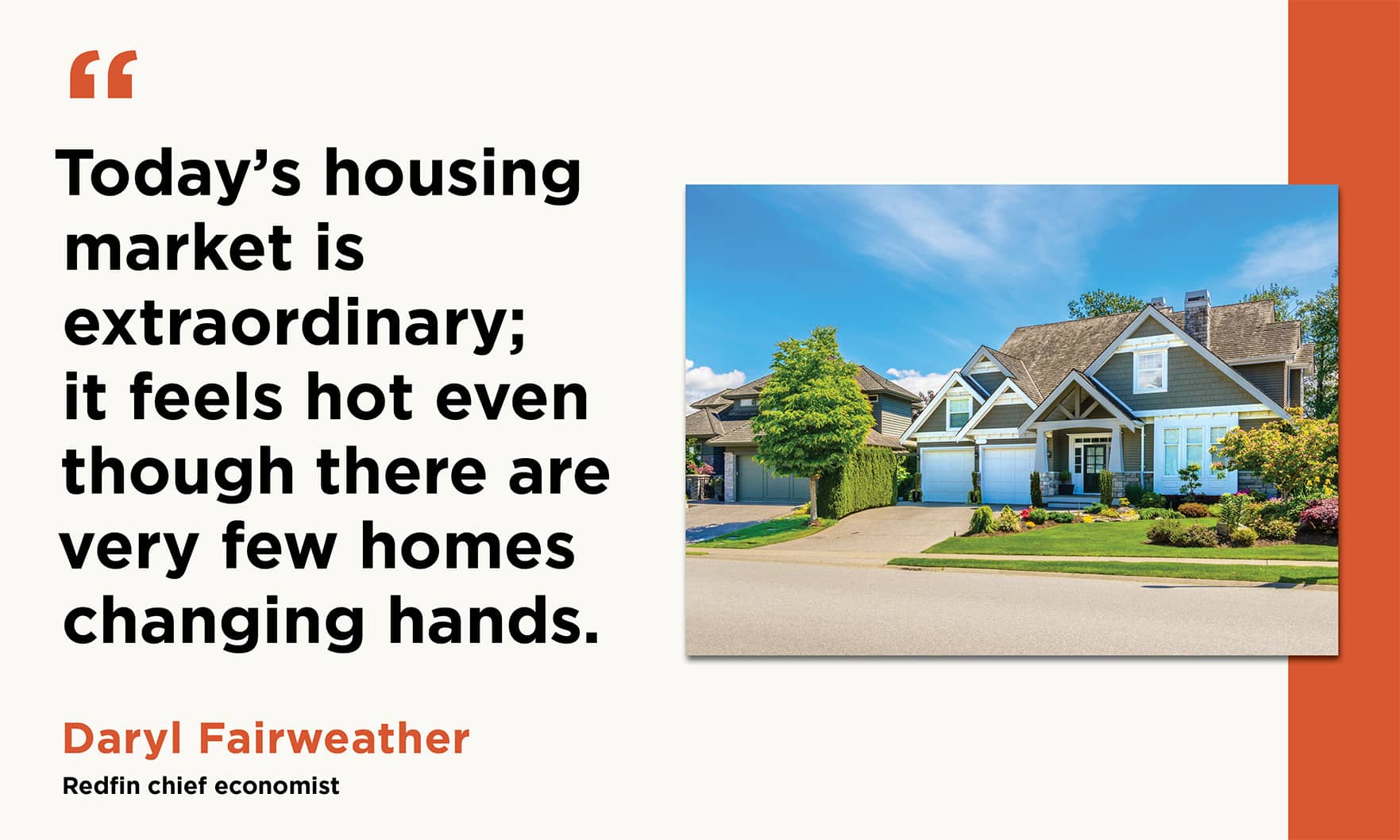
For the first time in nearly a year, the average home sold above list price, fueling bidding wars in some markets.
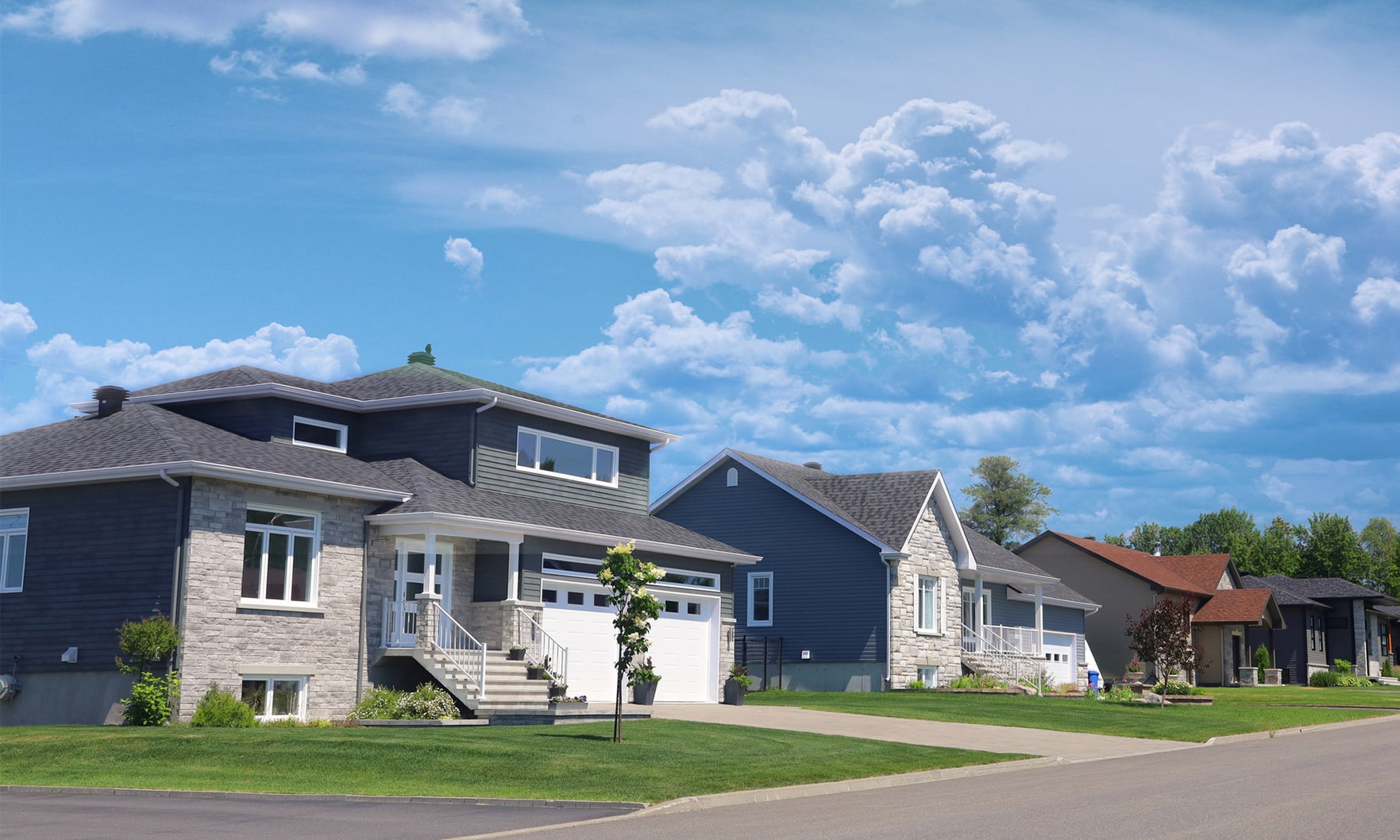
As more owners continue to hang onto their houses, home values locally and across the nation have reached a new peak, but it comes at a cost.
Despite the declining rate of increase, home prices have risen for the last 136 months, CoreLogic said.
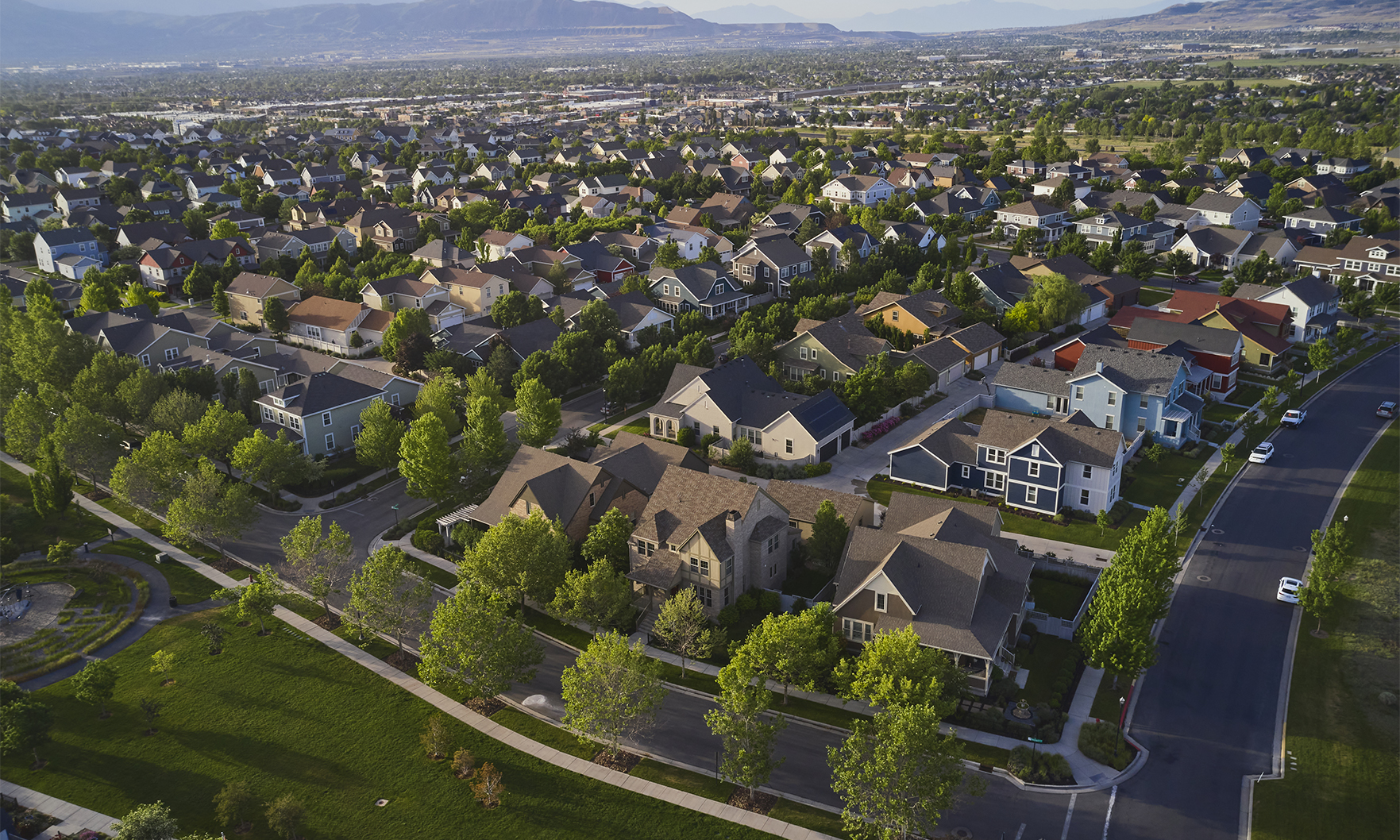
For the first time in almost 12 months, the average U.S. home is selling above its asking price, as the average sale-to-list price ratio hit 100.1% earlier this month