News / Features
Home-price growth remained in double digits for the 10th straight month in May as inventory lows pushed the median listing prices up 15.2% from last year.

The COVID pandemic has caused a shakeup in where, and how, many people work. That has helped propel a thriving housing market.

The new corporate sponsorship makes certain training, resources and networking opportunities available to RE/MAX agents.
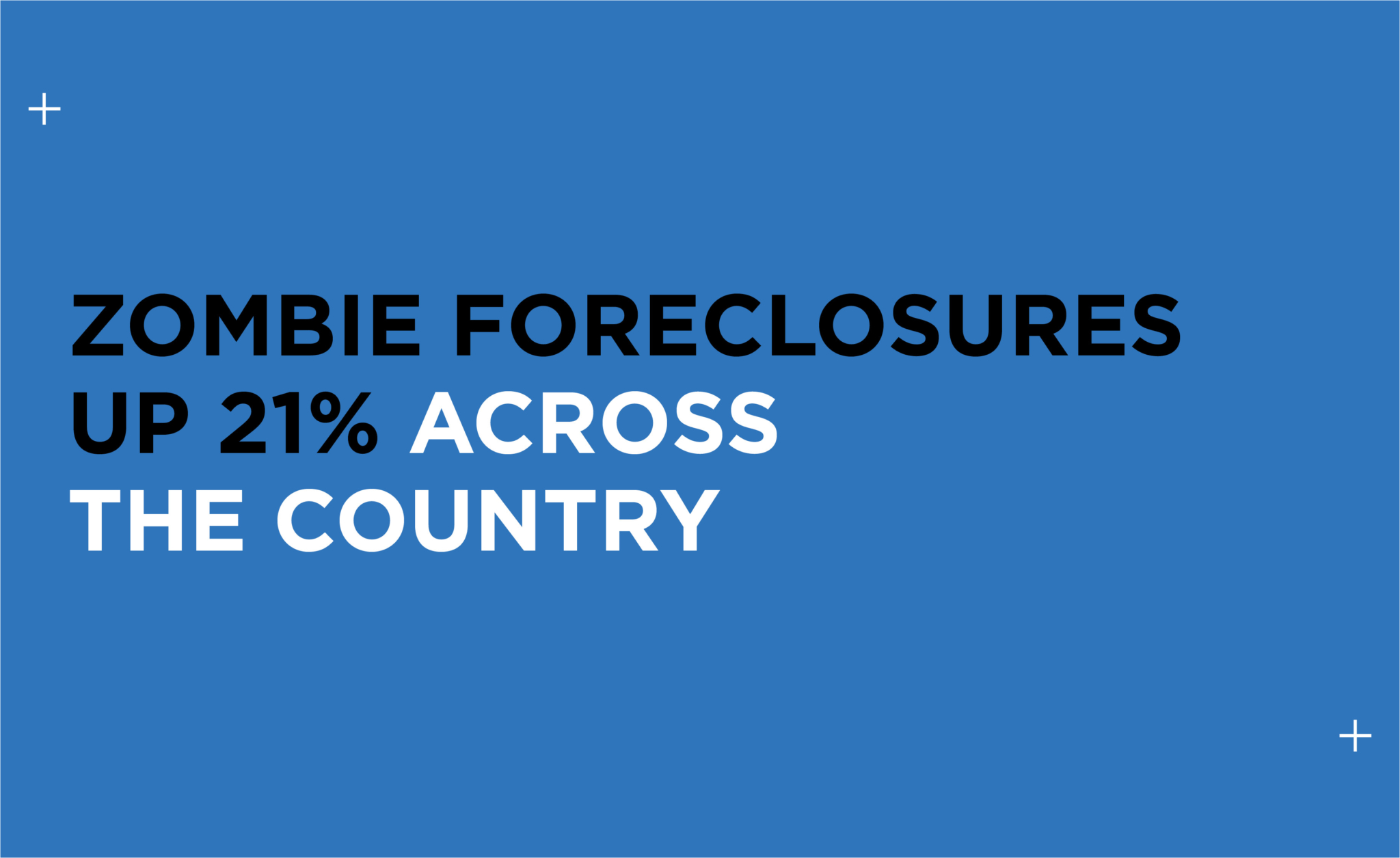
Of the 99 million residential properties in the U.S., approximately 1.4 million (or 1.4%) are vacant this quarter, with “zombie” home rates increasing both quarterly (21%) and annually (5.6%).

The number of Asian-headed households grew 83% in the past two decades, but economic inequality and inequity between different Asian ethnic regions is still an issue.
City life is reawakening after a year marred by the pandemic, but that doesn’t mean the resurgent demand for homes in the neighboring suburbs is coming down any time soon.
Year over year, however, pending home sales were up 57.1%, the NAR said, citing its monthly Pending Home Sales Index.

First-time homebuyers found their long-term plans changed due to COVID.

“Demand is robust throughout the country, but homebuyers continue to be held back by the lack of homes for sale and rapidly increasing home prices.” — MBA Associate Vice President of Economic and Industry Forecasting Joel Kan
The pace of housing-price gains in Chicago quickened in March, according to the S&P CoreLogic Case-Shiller U.S. National Home Price NSA Index, which showed a 1.9% increase from February and a 9% increase from a year earlier, compared to a gain of 0.2% the previous month.
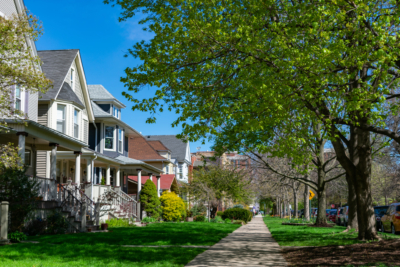
Housing records continue to be broken, but despite the strong numbers, data could indicate homebuyer demand is reaching a peak.
Higher income, backed up by lower mortgage rates, has expanded the reach of the average homebuyer, but an increased demand for homes has concurrently driven up prices, negating two of the three main factors in First American Financial Corp.’s Real House Price Index.

Existing-home sales slid for the third month in a row in April, declining 2.7% from March to a seasonally adjusted annual rate of 5.85 million, according to the National Association of Realtors.
The limited inventory that has plagued the housing market continued, although at an abated pace.
A recent NAHB survey shows that regulatory costs imposed by the government account for $93,870 (or 23.8%) of the current price of new homes.
Residential property equity continued to grow in the first quarter of 2021, with one in three homes considered equity rich.