
News / Features
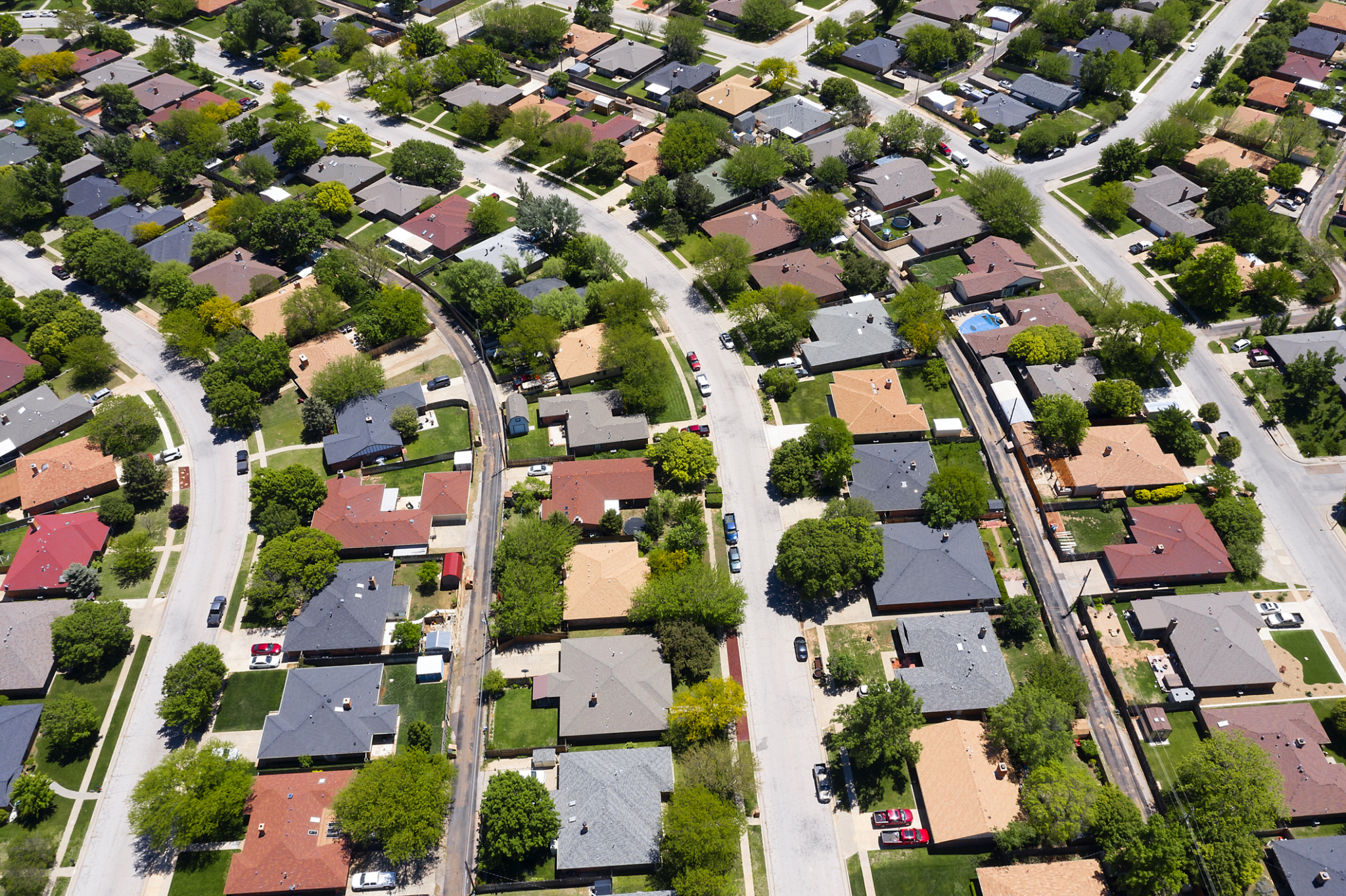
The National Association of Realtors once again asked the Department of Housing and Urban Development to consider its series of proposals that address the affordable housing crisis.

Rents up slightly nationwide in February. Find out where Chicago ranked.

The U.S. Census Bureau report appears to show a trend in the rate of black homeownership.
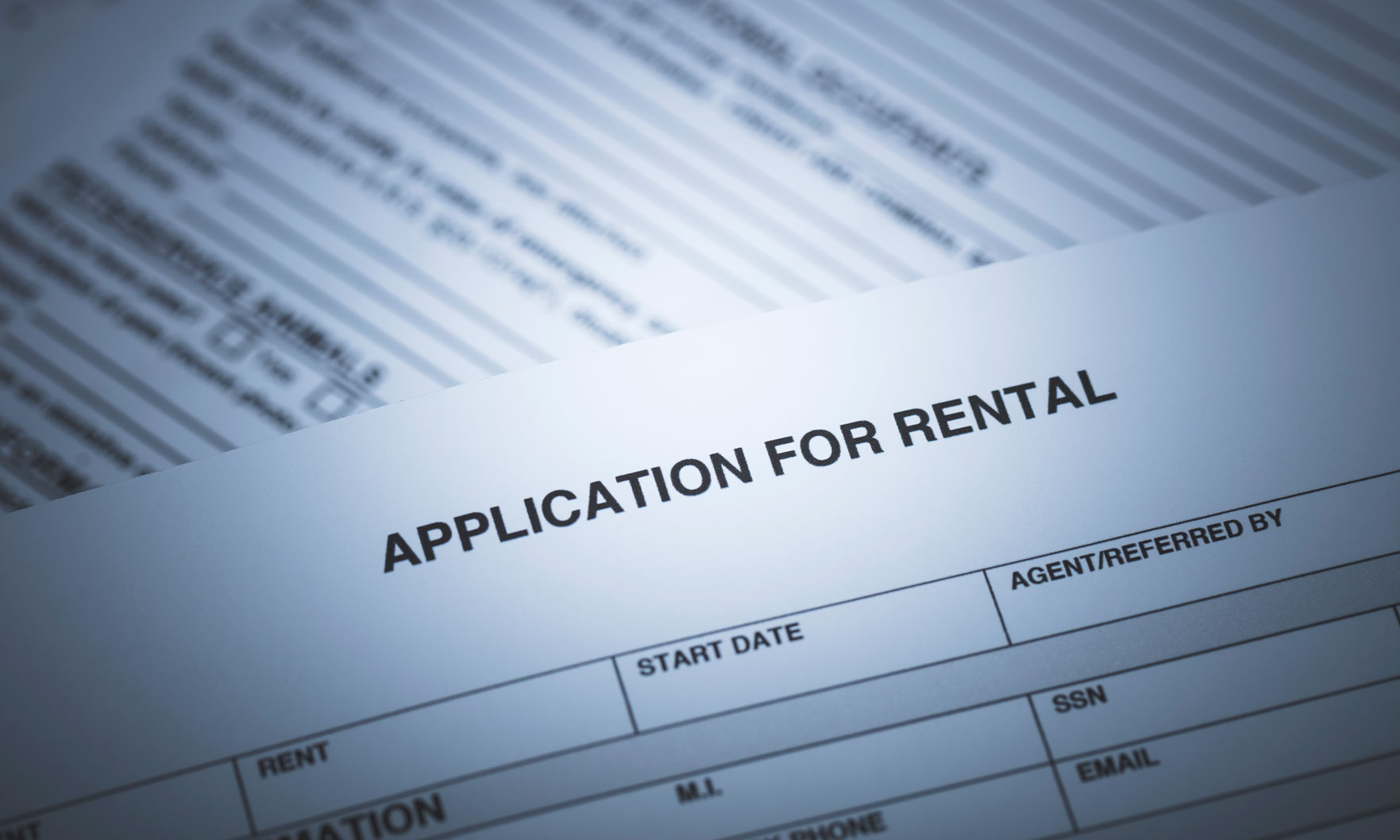
To meet the ambitious goal of ameliorating the effects of the criminal justice system on housing, Cook County commissioners amended the county’s Human Rights Ordinance to include more provisions for housing-related issues. Here’s what you and your clients need to know.

Whether your brokerage will enthusiastically rent to dispensaries or would prefer to avoid marijuana altogether, this new law is sure to touch your clients, agents and employees. Put policies in place now to shape how you deal with it, and keep an open line of communication with your legal counsel so you can adapt policies appropriately as the Illinois marijuana market grows.

Affectionately nicknamed the “Tyringham Gingerbread House,” this cottage has roots dating back to the 1750s.

Ever dreamed of owning a private island? Just such an opportunity, in the form of Mark Island, has popped onto the market right off the coast of Maine.
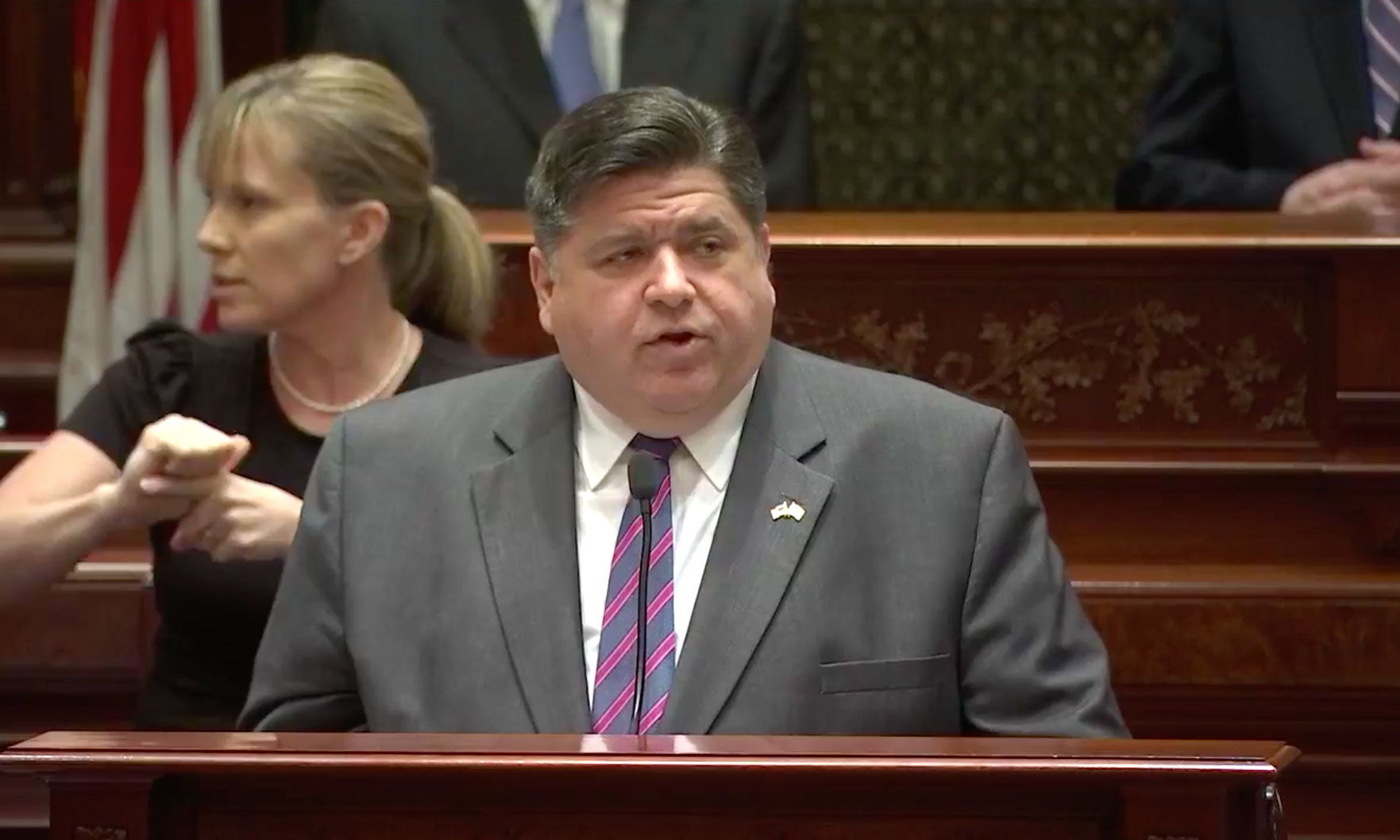
In his first State of the State address, the governor touched on a number of topics that will have an impact on the real estate industry. Here are a few key moments from his speech that real estate professionals should be aware of.

Mortgage rates projected to hold at under 4 percent for the remainder of the year, according to new report.
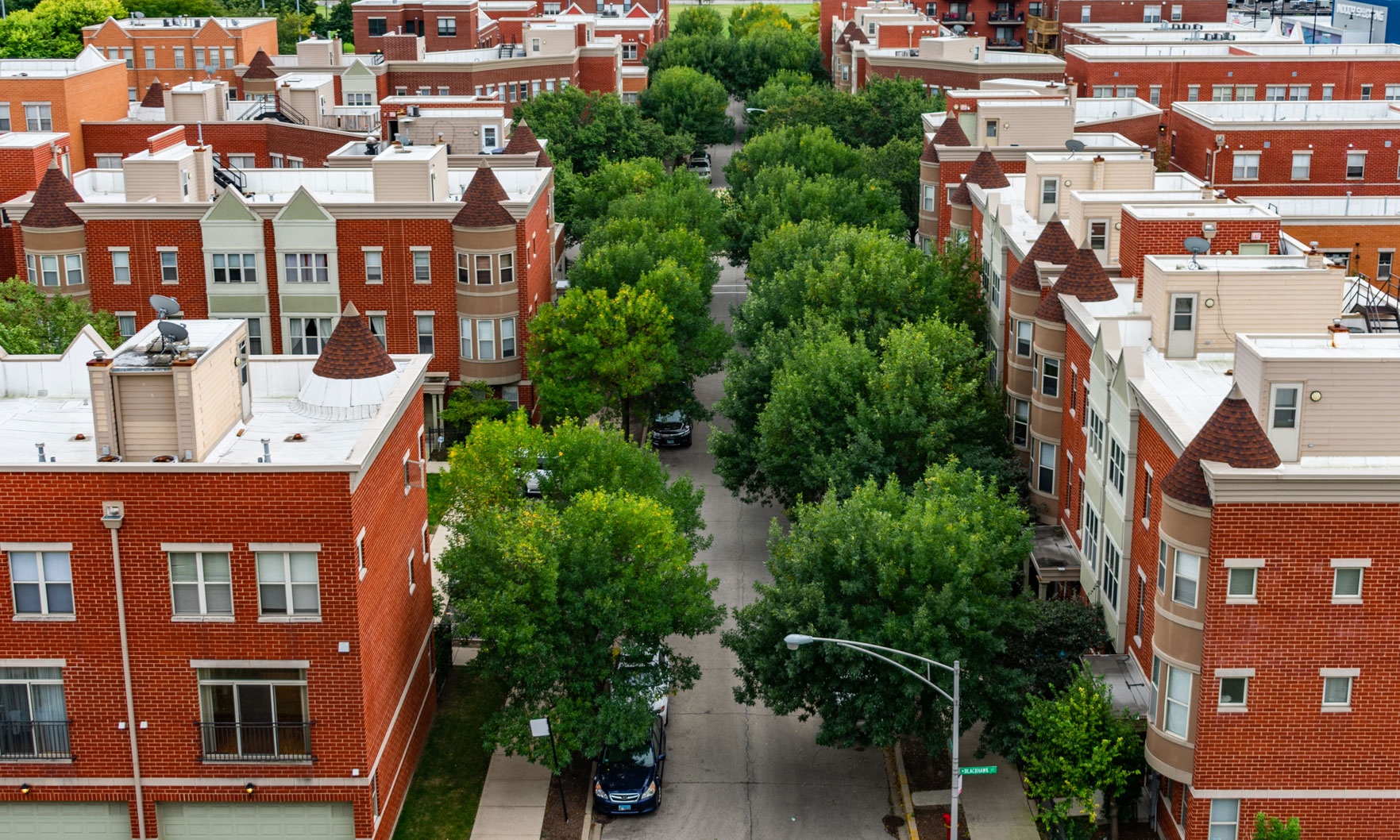
While the pursuit of new or better employment prospects normally motivates people to take on a long-distance move, recent data suggests that Americans may now be more inclined to relocate for housing related reasons.
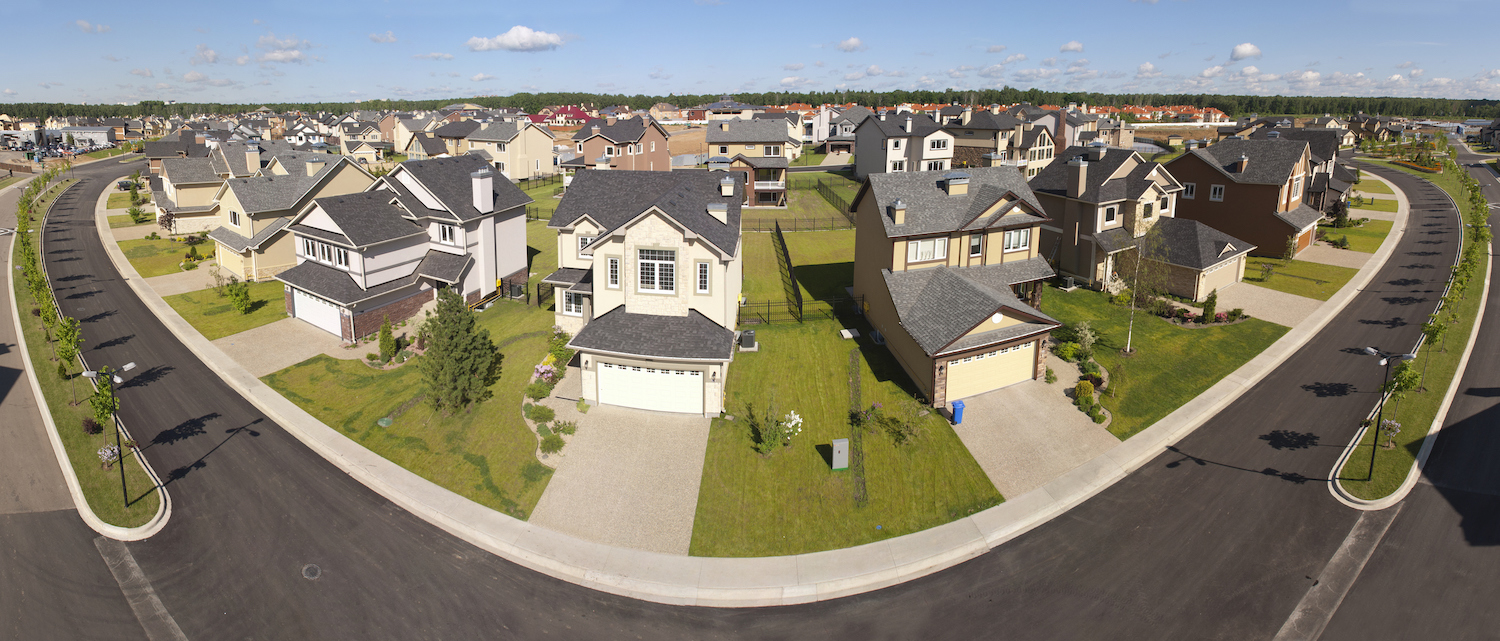
According to the latest index, national home prices are 15 percent above their pre-financial crisis peak.
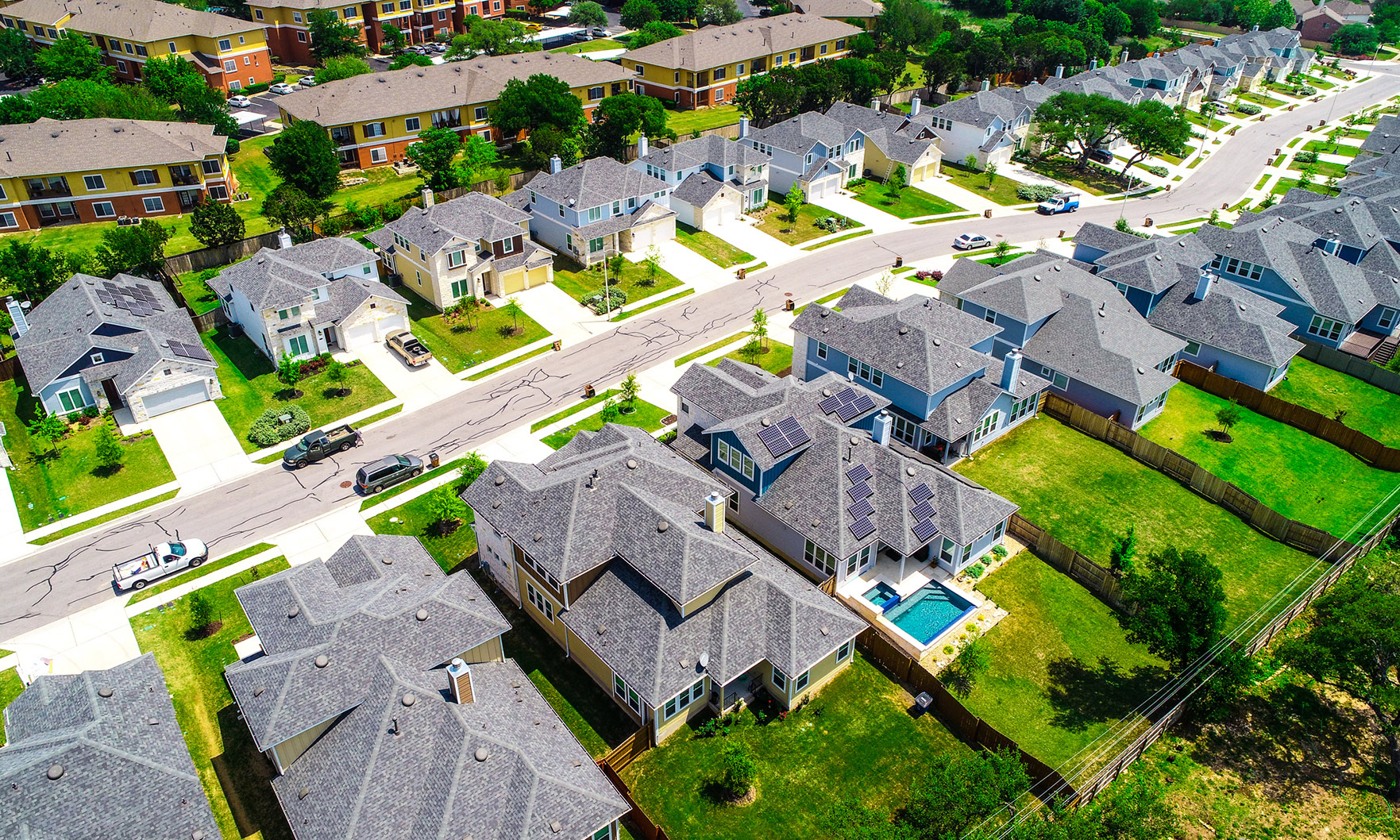
Low interest rates and low unemployment continue to boost the market into 2020.

A new study by Lending Tree shows that single women own almost 14 percent of homes in Chicago.
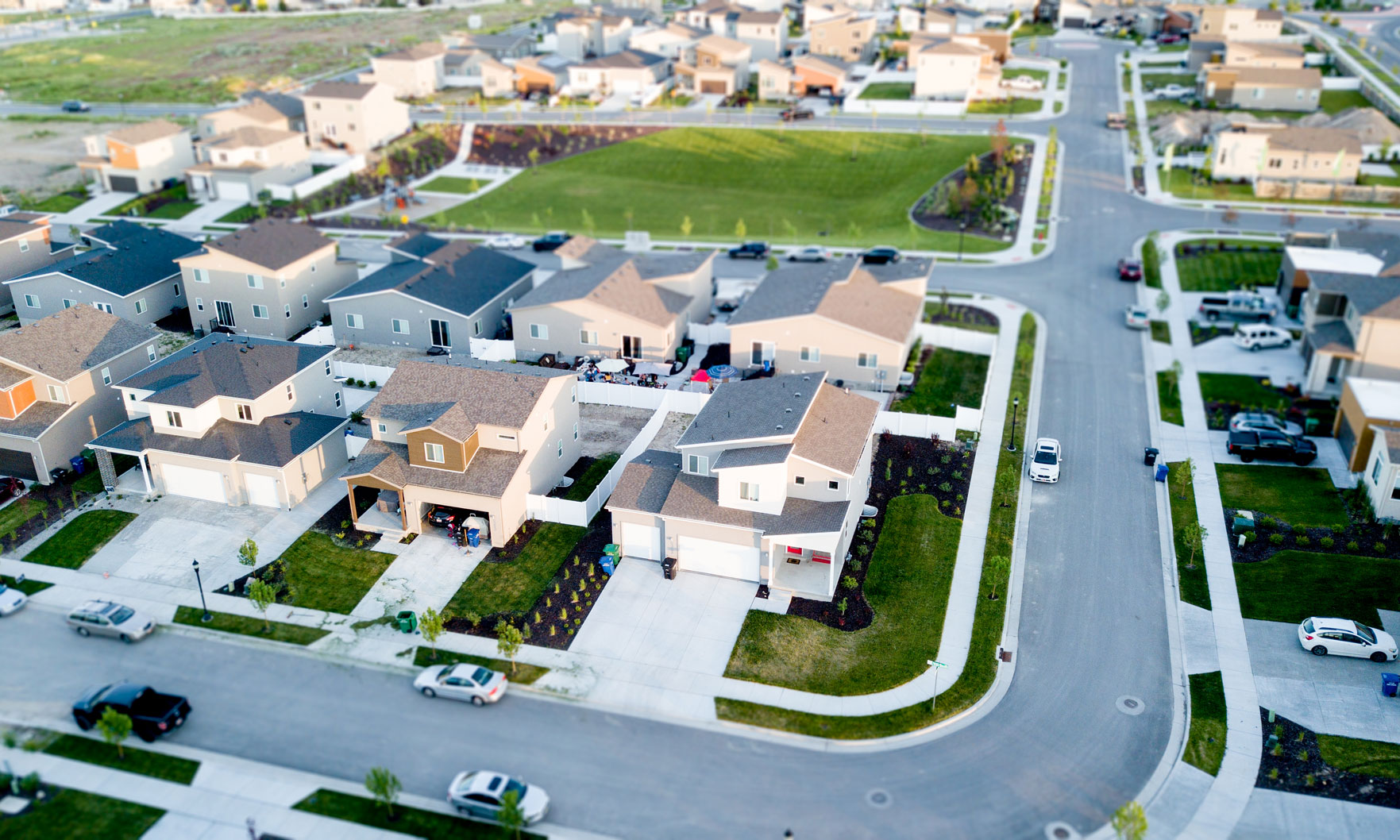
Existing home sales bounced back in December in every region of the U.S. but the Midwest, following a small slump the previous month, according to NAR’s monthly existing-home sales report.

The Chicago Fed’s senior economist breaks down some of the more common misconceptions about the chance of recession in 2020 and offers thoughts on how real estate pros can be better consumers of economic data.

In a year that showed slowing home sales overall, RE/MAX’s most recent market report offers a bit of sunshine.