
Current Market Data

Single-family home starts declined compared to February, while new apartment construction was up, according to government statistics.

Builder sentiment has taken a hit from an unexpectedly sharp increase in mortgage rates and continued disruptions in the supply chain, according to the National Association of Home Builders’ monthly survey.

Investor activity showed early signs of slowing during Q4 of 2021, down from the historic highs seen in the second and third quarter, CoreLogic’s latest analysis reveals.

If you’re planning to sell your home this spring, get moving.

Report finds buyers are backing off from buying second homes, but what’s causing the turnaround?
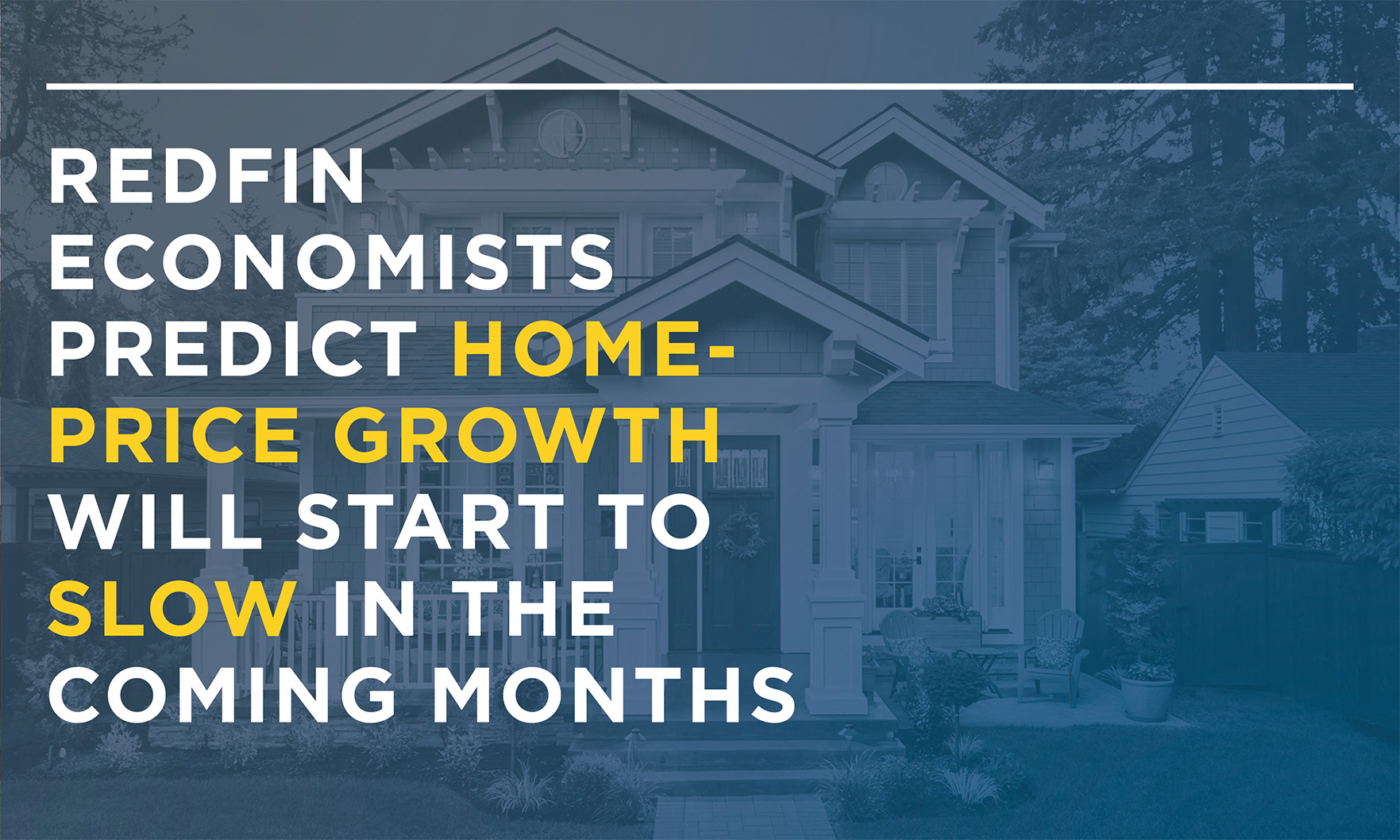
Surging mortgage prices are causing buyers to step back amid signs a recent Redfin report found point to the start of a shift in the market.
Our expectations and desires have shifted, with renters searching for more space — often at a higher price tag. And, according to a new study from RentCafe, that’s especially tough in Chicago.
CoreLogic predicts price increases to slow significantly by next spring in most metro areas, but the drop-off is not as severe in Chicago.

With fewer people putting their homes on the market, prices continue to skyrocket.
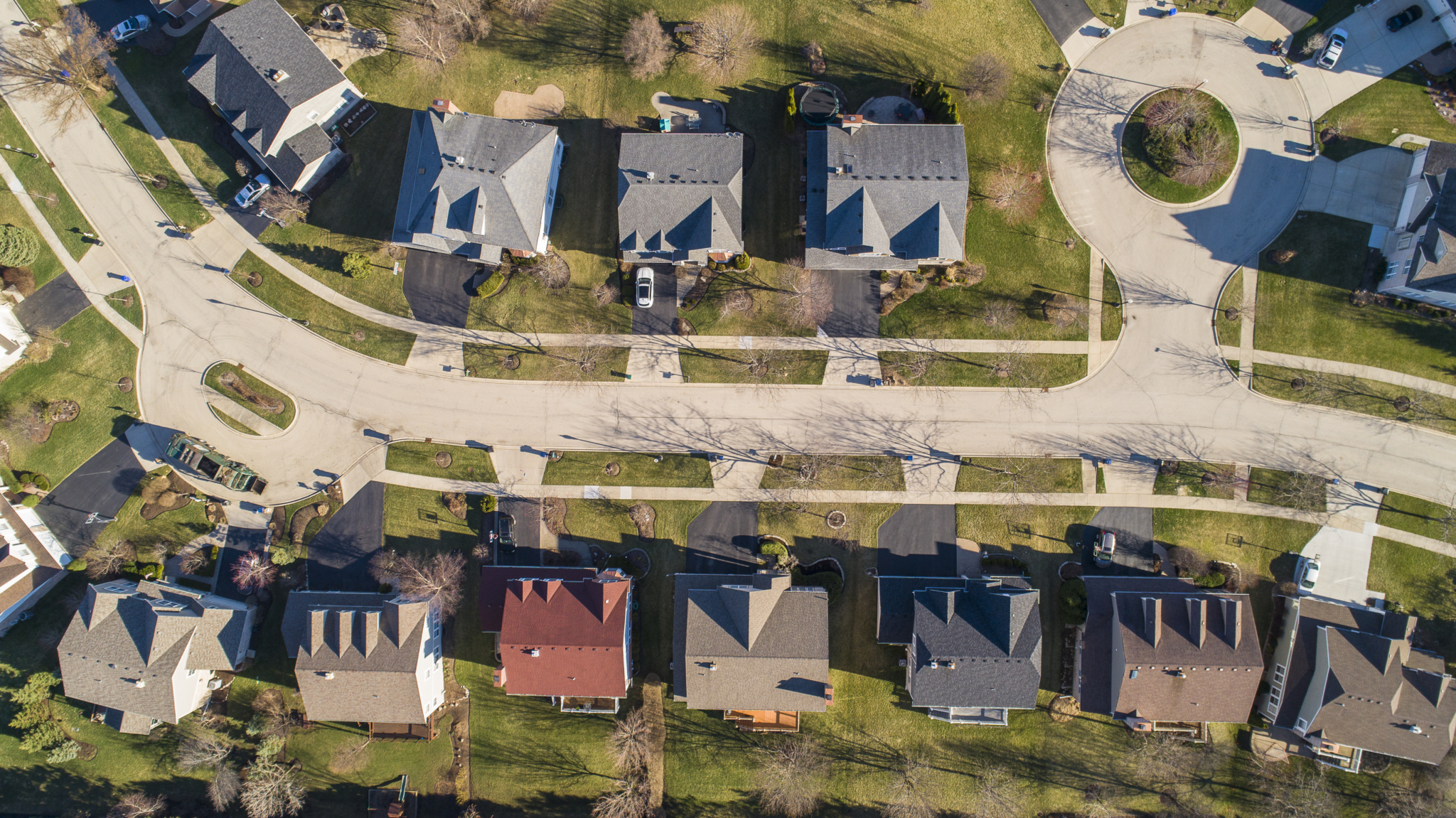
Chicagoland experienced a drop in home sales for both single-family (down 11.2%) and attached homes (down 6.6%) in February, according to a press release from the Mainstreet Organization of REALTORS®.

The decrease comes as interest rates continue to climb, according to the Mortgage Bankers Association.
Housing inventory should reach pre-pandemic levels by the end of 2024, according to the results of Zillow’s latest Home Price Expectations Survey. More than 100 market experts and economists weighed in to predict upcoming trends.

“Buyer demand is still intense, but it’s as simple as ‘one cannot buy what is not for sale.” — National Association of REALTORS® chief economist Lawrence Yun

Amid rising prices and hiking interest rates, Illinois homes sold faster in February 2022 than in the year prior, according to new data from Illinois REALTORS®.

Affordability and supply-chain issues continued to weigh on the sales of new single-family residences.

What does the current generation of homebuyers and sellers look like? How old are they and how are they doing business? NAR has answers.